Owner’s manual
 Error Codes


How to read Kenmore model numbers?
For Kenmore model 106.41173711 (a Kenmore side-by-side refrigerator), the model number is your exact ID for matching the right parts and instructions. The prefix (106) identifies the manufacturer family, and the remaining digits narrow down the specific design and features; always use the full number when ordering parts.
Where to find the model number on your refrigerator
On Kenmore refrigerators like 106.41173711, the model and serial number label is located on the product. We recommend writing down the full model number, serial number, and purchase date for faster service and correct part matching.
- Check inside the fresh food compartment on the side wall
- Check near the crisper area or ceiling light area
- Check the door frame area when the door is open
- If needed, check the back exterior panel
- Confirm you copied every digit (no missing or swapped numbers)
For label location details and recording info, use the 10641173711 owner's manual.
How Kenmore model numbers are structured (what the digits mean)
Kenmore model numbers typically follow a pattern that helps identify who built the unit and which product platform it belongs to.
| Section of model number | Example | What it tells you | Why it matters |
|---|---|---|---|
| Prefix (first 3 digits) | 106 | Manufacturer family code | Helps match the correct parts diagrams and service info |
| Base model digits | 4117 | Core design series | Narrows down compatible components |
| Remaining digits | 3711 | Feature and production variations | Prevents ordering the wrong revision of a part |
Why it matters for parts and troubleshooting
Using the full model number prevents common ordering mistakes, especially on parts that look similar but fit differently (door gaskets, shelves, ice maker components, and evaporator fan parts).
- Ensures the correct parts list loads for your exact refrigerator
- Helps match color and door configuration variations
- Reduces returns caused by “almost the same” part numbers
- Speeds up diagnosis when using service and error-code resources
If you are troubleshooting a display or control issue, the Kenmore 106 model refrigerator error codes guide is the best match for the 106-prefix platform.
Last updated: February 2026
How to replace an ice maker in a side by side refrigerator?
To replace the ice maker in your Kenmore 10641173711 side-by-side refrigerator, we disconnect power, shut off the water supply, swap the ice maker assembly, then restore water and power and confirm it cycles and fills correctly. Use the 10641173711 owner's manual for model-specific access and shutoff details.
Safety first (do this before any disassembly)
- Unplug the refrigerator (or switch off the breaker).
- Turn off the water supply to the refrigerator.
- Empty the ice bin.
- Protect the floor with towels; a small amount of water can spill.
- Use a grounded 3-prong outlet only when restoring power (no adapters or extension cords).
Replacement steps (typical side-by-side procedure)
- Remove the ice bin and any shelves that block access.
- Turn the ice maker off (wire shutoff arm up or switch to Off, depending on the style).
- Remove the ice maker cover (if equipped) and unplug the wiring harness.
- Remove the mounting screws; lift the ice maker off the bracket.
- Install the new ice maker on the bracket and start all screws before tightening.
- Reconnect the wiring harness and reinstall the cover.
- Turn the water back on, plug the refrigerator in, and turn the ice maker on.
Quick checks after installation
- Listen for the ice maker to cycle; first ice can take several hours.
- Check the fill tube area for drips or freezing.
- Confirm the shutoff arm moves freely and is not blocked by the bin.
- If cubes are small or hollow, purge a few batches and verify household water pressure.
Common symptoms and what they usually mean
| Symptom | Most common cause | What to do |
|---|---|---|
| No ice after 24 hours | Ice maker left Off or no water | Verify shutoff arm/switch and water supply valve |
| Leaking at back | Water line not seated | Re-seat water line and check for kinks |
| Ice clumps | Door not sealing well | Inspect and correct door seal issues |
Why it matters
A correct ice maker install prevents leaks and protects the freezer temperature. The manual also calls out shutting off water when you are away, which helps avoid property damage.
Last updated: February 2026
How wide is a Kenmore side-by-side refrigerator?
For Kenmore side-by-side refrigerators, the most common overall cabinet width is about 36 inches. For Kenmore model 10641173711, the Use & Care Guide lists a 36 inch minimum cabinet cut-out width for installation, which is the key width to plan around for fit and door swing clearance (see the 10641173711 owner's manual).
What “width” means (and which one you should use)
When measuring a side-by-side refrigerator, we see three different “widths” used:
- Cabinet width: the refrigerator body, not counting extra clearance
- Cut-out width: the opening needed in cabinetry for installation
- Door swing clearance: extra space needed so doors open fully next to a wall
For model 10641173711, the manual calls out a 36 inch minimum cabinet cut-out width and also recommends clearance space around the unit.
Quick sizing guide for model 10641173711
Use this as a planning checklist before you order parts, replace a door, or move the refrigerator.
| Measurement you need | What to plan for | Why it matters |
|---|---|---|
| Minimum cabinet cut-out width | 36 in | Ensures the refrigerator fits the opening |
| Side and top clearance | 1/2 in each side and top | Helps ventilation and cooling performance |
| Rear clearance | 2 in | Makes room for airflow and water line connections |
How we recommend measuring width at home
- Measure the opening (wall to wall or cabinet to cabinet) at the front and back
- Measure the refrigerator at the widest point (often the hinge area)
- Confirm you have room for door swing if the unit sits next to a fixed wall
- Include space for the water line if you have an ice maker
- Recheck after leveling; a tilted cabinet can change door alignment and clearance
Why it matters
A refrigerator that is too tight in the opening can run warmer, build up frost, or have doors that do not seal well. Proper width and clearance also helps prevent rubbing doors, broken bins, and gasket leaks.
Last updated: February 2026
What are the most common problems with Kenmore refrigerators?
The most common problems we see on Kenmore refrigerators like model 10641173711 are cooling issues, water leaks, ice maker and dispenser troubles, door sealing problems, and unusual noises. Many of these come down to airflow restrictions, incorrect temperature settings, or a failing fan or defrost component; use the 10641173711 owner's manual troubleshooting section to match symptoms to fixes.
Most common symptoms and what usually causes them
- Not cooling or warm temperatures: blocked air vents, dirty condenser coils, evaporator fan not running, or defrost system trouble
- Freezer cold but refrigerator warm: airflow blocked at the top vents, evaporator fan issue, or frost buildup on the evaporator
- Water leaking or puddles: clogged defrost drain, door left ajar, or poor door seal
- Ice maker not making ice: water supply issue, frozen fill tube, or ice maker module failure
- Noises (buzzing, rattling, clicking): fan blade hitting ice, loose items, or a worn fan motor
Quick checks we recommend first (fast, no parts)
- Confirm power and basic operation: the manual notes to plug into a grounded 3-prong outlet and allow 24 hours after a new installation for full cooling.
- Check temperature controls: adjust one step at a time, then recheck in 24 hours.
- Clear air vents: remove items directly in front of vents (blocked vents are a common cause of uneven temps).
- Inspect door closing: make sure bins and packages are not holding the door open.
- Listen for the evaporator fan: a failed fan often causes warm fresh food and odd noises.
Parts that commonly relate to these problems on 10641173711
| Symptom | Common part area | Example model-matched part |
|---|---|---|
| Warm refrigerator section | Evaporator fan system | Refrigerator evaporator fan motor WP2315549 |
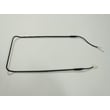
| Frost buildup, poor cooling | Defrost system | Refrigerator heater WP2323198 |
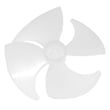
| Rattling or scraping noise | Fan blade | Refrigerator evaporator fan blade WP2169142 |
| Door not sealing, moisture | Door gasket | Door gasket (color-specific) |
Why it matters
Cooling, moisture, and ice maker complaints often share the same root cause: restricted airflow or warm, humid air entering through a door that is not fully sealed. Fixing those basics first prevents food spoilage and reduces compressor run time.
Last updated: February 2026
What is the cubic foot of my Kenmore refrigerator model 10641173711?
The Kenmore side-by-side refrigerator model 10641173711 has a total capacity of about 21.9 cubic feet. This is the overall storage volume for both the refrigerator and freezer sections combined; see the 10641173711 owner's manual for model-family details and features.
Quick capacity details
- Total capacity: 21.9 cu. ft. (refrigerator + freezer)
- What it represents: overall interior volume, not usable shelf space
- What can reduce usable space: ice maker, door bins, shelves, and air channels
- Best use: comparing similar side-by-side refrigerators and planning food storage
Why your “usable space” can feel smaller
Even with 21.9 cu. ft. total volume, usable space varies based on configuration and accessories.
| What affects space | Typical impact | What to check |
|---|---|---|
| Ice maker installed | Medium | Ice bin and freezer shelf layout |
| Door bins and rails | Low to medium | Bin sizes and positions |
| Shelves and crisper pans | Medium | Shelf spacing and drawer clearance |
| Air vents and return ducts | Low | Keep vents clear for even cooling |
When capacity matters for troubleshooting
Capacity itself does not cause cooling problems, but overpacking can block airflow and create warm spots.
- Keep items from blocking vents in the back wall
- Leave space around the evaporator cover area for circulation
- If the freezer is cold but the fresh food section is warm, check the evaporator fan operation; the refrigerator evaporator fan motor WP2315549 is a common airflow component used on this model.
Why it matters
Knowing the cubic feet helps us compare similar refrigerators, plan storage, and choose correctly sized replacement shelves, bins, and other interior components for your Kenmore 10641173711.
Last updated: March 2026
What's the average lifespan of a Kenmore refrigerator?
Most Kenmore refrigerators average 10 to 15 years of service life; for a Kenmore 10641173711 side-by-side refrigerator, regular maintenance and quick fixes (like correcting door seal leaks and keeping airflow clear) are what most often determine whether it reaches the high end of that range.
What affects lifespan the most
- Condenser coil cleanliness (dust buildup makes the compressor work harder)
- Door seal condition and door alignment (warm air leaks cause longer run times)
- Defrost system health (prevents frost from choking airflow)
- Fan operation and airflow (keeps temperatures stable)
- How full it is and how often doors open (more openings equals more moisture and heat load)
Maintenance checklist we recommend
Use the care and troubleshooting guidance in the 10641173711 owner's manual and follow these basics:
- Vacuum/brush condenser coils regularly
- Keep door gaskets clean and pliable; correct gaps promptly
- Confirm doors close fully and are not blocked by bins or food packages
- Keep vents inside the fresh food and freezer sections unobstructed
- Address unusual noises, warming, or heavy frost early
Common “wear items” that can shorten life
If cooling performance drops, these are frequent contributors on side-by-side designs:
| Symptom | Common area to check | Example model-matched part (if needed) |
|---|---|---|
| Warm freezer or fresh food section | Evaporator fan and airflow | Refrigerator evaporator fan motor WP2315549 |
| Heavy frost, poor airflow | Defrost heater and defrost system | Refrigerator heater WP2323198 |
| Doors not sealing, moisture buildup | Door gasket and alignment | Door gasket (black) or gasket, door (beige) (match by location/color) |
Why it matters
A refrigerator that runs longer to maintain temperature puts extra stress on major components like the compressor and evaporator fan motor. Simple upkeep (especially coils, seals, and airflow) reduces run time, improves temperature stability, and helps the unit reach its full expected lifespan.
Last updated: February 2026
Why is there water leaking from the bottom in my Kenmore refrigerator?
Water leaking from the bottom of your Kenmore 10641173711 side-by-side refrigerator is usually caused by a clogged or frozen defrost drain, or a drain pan issue that lets defrost water spill instead of evaporate. Use the steps in the 10641173711 owner's manual to access the base grille and confirm leveling and drainage.
Most common causes (and what to check first)
- Clogged defrost drain: Meltwater from the defrost cycle cannot flow to the drain pan, so it backs up and leaks.
- Frozen drain tube: Ice blocks the drain path and forces water out at the bottom.
- Drain pan shifted or cracked: Water reaches the pan but does not stay contained.
- Door not sealing well: Excess moisture creates heavier frost, leading to more defrost water and overflow.
- Refrigerator not level: Water may miss the pan or run forward and out (the manual notes leveling and stability adjustments behind the base grille).
Quick troubleshooting steps (safe DIY)
- Unplug the refrigerator before working near fans, wiring, or the defrost area.
- Inspect the freezer floor and rear panel for a sheet of ice or standing water (a strong sign of a frozen drain).
- Thaw the drain using warm water (turkey baster) and clear the tube with a flexible brush or pipe cleaner.
- Check the drain pan underneath for cracks and confirm it is seated correctly.
- Confirm the doors seal and close fully; warm air intrusion increases frost and defrost runoff.
- Verify the cabinet is level by adjusting the front leveling feet after removing the base grille.
Symptom-to-cause guide
| What you notice | Most likely cause | What to do |
|---|---|---|
| Water under crisper or on freezer floor | Frozen/clogged defrost drain | Thaw and flush the drain line |
| Water only on the floor in front | Pan overflow or unit not level | Reseat pan; level the refrigerator |
| Heavy frost, then leaking after defrost | Door seal leak causing excess frost | Inspect gasket contact and alignment |
| Gurgling or water-running sounds | Normal defrost water draining | Leak means drain/pan needs attention |
Why it matters
Defrost water is normal (the manual describes water running into the drain pan during defrost), but leaks mean the water is not reaching or staying in the pan. Fixing the drain and leveling prevents recurring puddles, ice buildup, and temperature swings.
For door-seal related leaks, we use the same checks outlined in how to fix a fridge door seal.
Last updated: February 2026