Owner’s manual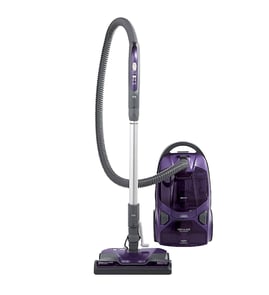

How long do Kenmore canister vacuums last?
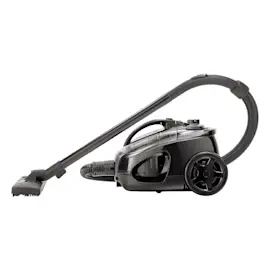
Most Kenmore canister vacuums last 8 to 12 years with normal home use and routine maintenance. For the Kenmore 72126082601, keeping airflow clear and filters clean is the biggest factor in getting full life from the suction motor and power nozzle; see the owner's manual.
Typical lifespan (what to expect)
A canister vacuum’s life is mainly limited by motor wear, heat buildup from restricted airflow, and normal wear items.
- 8 to 12 years: typical home use with basic care
- 5 to 8 years: heavy use, frequent clogs, dirty filters, or poor storage
- 12+ years: light use plus consistent filter and dust bin care
| Usage pattern | What usually fails first | What helps most |
|---|---|---|
| Light (1 to 2x/week) | Belts, brush roll wear | Regular cleaning, gentle use |
| Normal (2 to 4x/week) | Filters, hose clogs, cord rewind wear | Keep airflow open, avoid overfilling |
| Heavy (daily) | Motor wear, power nozzle components | Strict maintenance schedule |
Maintenance that extends life the most
The manual emphasizes keeping the dust bin and filters clean and clearing airflow blockages; restricted airflow makes the motor run hotter and shortens its life.
- Empty the dust bin before it gets packed full
- Clean the washable filter on schedule
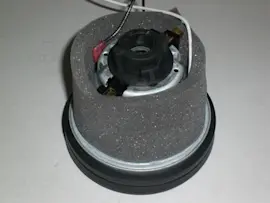
- Clean or replace the motor safety filter as directed
- Clear clogs in the hose, wand, and nozzle air path
- If it shuts off, unplug it and let the motor cool (many units reset after cooling)
Signs it’s nearing end of life
These symptoms usually mean wear or chronic airflow restriction:
- Suction is weak even after cleaning filters and clearing clogs
- The vacuum shuts off during use (overheating) more often
- Burning smell, unusual noise, or sparking at the motor area
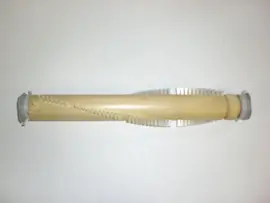
- Power nozzle brush performance drops (belt or brush roll wear)
Why it matters
A Kenmore canister vacuum like model 72126082601 depends on steady airflow to cool the motor. Simple care (dust bin, filters, and clog checks) prevents overheating, protects the suction motor, and keeps cleaning performance consistent.
Last updated: February 2026
What is the highest rated canister vacuum?
“Highest rated” depends on who’s doing the rating and what they value (pet hair pickup, filtration, carpet performance, or price). If you already own a Kenmore canister like model 72126082601, the best choice is usually the one that’s maintained correctly and matched to your floors; our owner's manual covers setup, attachments, and performance tips.
How to compare “top-rated” canister vacuums
Use these criteria to judge any canister vacuum fairly:
- Cleaning performance by floor type: bare floor vs. carpet results can differ a lot
- Filtration: HEPA-level filtration matters most for allergies and fine dust
- Tools and usability: crevice tool, dusting brush, upholstery nozzle, wand reach
- Airflow control: an airflow regulator helps prevent “sticking” on rugs and improves tool control
- Maintenance cost: bags or bins, filters, belts, brush roll cleaning
- Noise and maneuverability: canister weight, hose swivel, cord length and rewind
What “highest rated” usually looks like (quick guide)
These are the most common “winner” profiles across review sources:
| Best for | Typical top pick traits | What to watch for |
|---|---|---|
| Allergies and fine dust | Sealed system, strong filtration, consistent suction | Filter cost and availability |
| Pet hair | Strong agitation at the nozzle, good upholstery tool | Brush roll tangles, belt wear |
| Budget | Simple design, decent suction, fewer features | Shorter lifespan, fewer attachments |
| Mixed flooring | Easy floor switch, stable suction, good wand | Heavier power nozzle setups |
If you’re trying to get “top-rated” performance from your Kenmore 72126082601
Your Use & Care Guide highlights parts and features that directly affect cleaning results, including the air flow regulator, telescopic wand, and common attachments (dusting brush, upholstery nozzle, crevice tool). Use these steps to restore performance:
- Empty and reinstall the dust bin correctly
- Clean the washable filter and reinstall it fully
- Check the motor safety filter placement
- Clear clogs in the hose, wand, and rug/floor nozzle
- Set the floor selector correctly (bare floor vs. carpet)
Why it matters
Most “vacuum ratings” assume the vacuum is clean, unclogged, and set up correctly. A dirty filter, a partially blocked hose, or the wrong floor setting can make a great canister vacuum test like a poor one in real homes.
For broader troubleshooting and repair help, we also recommend our vacuum repair-guides landing page.
Last updated: February 2026
What model is my Kenmore vacuum?
Your Kenmore vacuum’s model number is printed on the Model and Serial Number Plate on the vacuum body. For this Kenmore canister vacuum series, the Use and Care Guide lists the model as 721.26082; your full model number may appear as 72126082601 on parts and service documents (check your plate to match exactly).
Where to find the model number
Look for a label or plate that includes both Model No. and Serial No. Common places to check:
- On the canister (main body) near the rear or bottom
- Near the cord rewind area or power cord entry point
- Under a removable cover or near the dust bin area
- In the first pages of your owner's manual
How to read Kenmore model numbers (what the dots mean)
Kenmore floor care models are often printed with a dot format in manuals, but shown without dots on parts lists.
| Where you see it | Example | What it means |
|---|---|---|
| Manual / label style | 721.26082 | Base model series identifier |
| Parts / service style | 72126082601 | Full model number used for parts lookup |
Why it matters
Using the exact model number from the plate helps us match the correct parts and diagrams for your Kenmore vacuum, especially for items that vary by revision such as filters, hoses, power nozzles, and belts.
Quick tips before ordering parts
- Copy the model number exactly as printed (include all digits)
- Record the serial number too; it helps identify production variations
- Keep your purchase date with the manual for future reference
Last updated: February 2026