Owner’s manual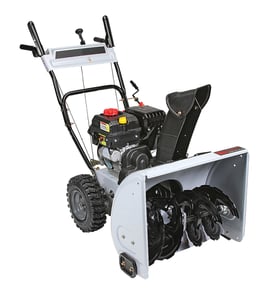




What is the typical lifespan of a gas snowblower?
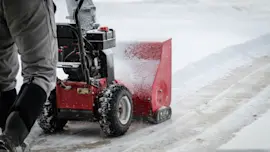
A gas snowblower like the MTD 31A-3CDE799 typically lasts 10 to 15 years with normal residential use and routine maintenance. With consistent tune-ups, correct storage, and timely replacement of wear items, many machines reach 15 to 20 years.
What most affects lifespan
A snow thrower’s service life is driven more by maintenance and operating conditions than by age alone. Our biggest longevity factors are:
- Fuel care and storage: stale fuel and moisture cause hard starting and carburetor issues
- Regular lubrication of moving parts (shafts, bearings, cables)
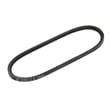
- Belt and drive system condition (slipping belts accelerate wear)
- Auger impacts (rocks, ice chunks) that stress the auger and gearbox
- Corrosion control: cleaning and rust protection after use and before storage
Maintenance habits that add years
The owner's manual for the 31A-3CDE799 emphasizes safe servicing and proper off-season storage. These habits consistently extend lifespan:
- Run the machine briefly after use to help clear snow and reduce freeze-up
- Treat fuel with stabilizer for short-term storage; run the engine to circulate it
- For 30+ day storage, follow the manual’s long-term fuel system guidance
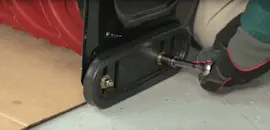
- Keep the scraper area adjusted so the housing is not grinding into the surface
- Replace worn wear parts before they damage more expensive components
Common wear parts to watch
| Wear item | What you’ll notice | Why it matters |
|---|---|---|
| Shear pins | Auger stops turning after a jam | Protects auger/gearbox from damage |
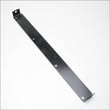
| Shave plate | Poor scraping, uneven clearing | Prevents housing wear and improves performance |
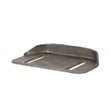
| Skid shoes | Excessive scraping or poor height control | Protects surfaces and stabilizes housing height |
Why it matters
A well-maintained snowblower costs less to own because it prevents “cascade failures” (for example, a worn shave plate leading to housing damage, or neglected fuel leading to carburetor problems). Following the storage and maintenance guidance in the manual is the simplest way to keep your MTD snow thrower reliable for many seasons.
Last updated: February 2026
How do I tell how old my snowblower is?
To tell how old your MTD snow thrower model 31A-3CDE799 is, we use the model and serial number information from the ID tag on the machine and then match that serial number to the correct date code format. Your owner's manual shows where to record the model and serial number, which helps you confirm you are decoding the right unit.
Where to find the model and serial number
Look for a product ID tag on the snowblower itself (not the engine). Common locations include the main frame near the auger housing, the rear frame, or near the handle supports.
- Clean off snow, salt, and grime so the characters are readable
- Write the model number and serial number exactly as shown
- If the tag is damaged, check for a second tag on the frame
- Also note the engine model information (engine tags use a different date system)
How to decode the age (what to do next)
MTD serial number formats vary by production run, so the most reliable approach is to use the serial number pattern on your tag and decode it accordingly.
- If the serial begins with a year code (often the first 1 to 2 digits), that points to the build year
- If the serial includes a date block (year plus day-of-year), convert the day-of-year to a calendar date
- If your snowblower has an engine date code, use it as a cross-check (engine build date is usually close to the snowblower assembly date)
Quick cross-check table
| What you find | What it usually tells you | How to use it |
|---|---|---|
| Snowblower serial number | Assembly timeframe | Primary way to estimate age |
| Engine model/date code | Engine build timeframe | Confirms the snowblower is in the same era |
| Purchase date (receipt) | In-service age | Helps if tags are unreadable |
Why it matters
Knowing the approximate build year helps us match the correct diagrams and replacement parts for wear items that change over time, such as the shave plate, skid shoes, and auger drive belt.
If you are also troubleshooting performance issues while you check the tag, using the correct maintenance steps from the owner's manual prevents damage to the auger and impeller.
Last updated: February 2026
What are common gas snow blower problems?
Common problems on an MTD gas snow thrower like model 31A-3CDE799 are no-start conditions (fuel, choke, spark), rough or erratic running (stale fuel or carburetor), and poor snow throwing when the auger system is jammed or a wear part fails. Our owner's manual lists no-start causes such as choke position, spark plug wire connection, stale fuel, and the safety key.
Most common symptoms and likely causes
- Engine will not start: choke not ON, spark plug wire disconnected, empty or stale fuel, not primed, blocked fuel line, safety key not inserted.
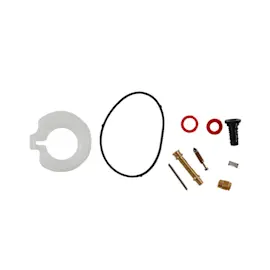
- Engine runs rough or surges: running on choke, stale fuel, water or dirt in fuel, carburetor needs adjustment.
- Auger or impeller will not turn: ice or debris jam, broken shear pin, worn belt.
- Snow throws poorly or clogs: chute packed with wet snow, worn shave plate, skid shoes set too low.
- Excessive vibration: loose fasteners, damaged auger or impeller.
Quick checks we recommend
Before inspecting, stop the engine, wait for all moving parts to stop, then disconnect and ground the spark plug wire (per the manual).
- Confirm the safety key is fully inserted.
- Use fresh gasoline; treat fuel for storage to prevent gum deposits.
- Set choke to ON for cold starts; move to OFF after warm-up.
- Check the spark plug wire connection and spark plug condition.
- Clear jams with a tool, not hands; the clean-out tool 731-2643 is made for this.
Common wear parts tied to performance
| Symptom | What to check | Example part |
|---|---|---|
| Auger stops after hitting ice | Shear pin (designed to break) | Craftsman snowblower shear pin 738-04124A |
| Auger weak or not turning | Auger drive belt slipping | MTD snowblower auger drive belt 754-04014 |
| Leaves snow behind | Shave plate worn | Shave plate 790-00120 |
Why it matters
Most major failures start as small issues: stale fuel fouls the carburetor, a shear pin breaks after a jam (by design), or worn skid and scraper parts change how the housing rides and feeds snow.
Last updated: February 2026