Error Codes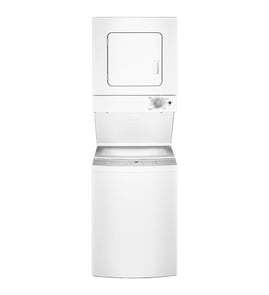



How to do laundry on a Speed Queen?
To do laundry on your Speed Queen LTSA7AWN stacked laundry center, we add the right detergent, load clothes loosely, choose water temperature and cycle settings, then start the washer and unload promptly when it finishes. Good loading and correct settings help cleaning and reduce wear.
Step-by-step: washing a typical load
- Sort laundry by color, fabric, and soil level.
- Check pockets, close zippers, and pre-treat stains.
- Add detergent (HE detergent if your detergent label calls for it).
- Load items loosely; do not pack the tub.
- Select cycle, water temperature, and any options.
- Start the cycle; remove clothes when the cycle ends.
Quick settings guide (common choices)
| Laundry type | Cycle (typical) | Water temp (typical) | Notes |
|---|---|---|---|
| Everyday cottons | Normal | Warm | Best all-around choice |
| Towels/jeans | Heavy/Deep fill (if available) | Warm/Hot | Avoid overloading |
| Delicates | Delicate/Gentle | Cold | Use a mesh bag when needed |
| Bright colors | Normal | Cold | Helps reduce fading |
If the washer is not cleaning well
These are the most common causes we see on stacked laundry centers like the LTSA7AWN:
- Too much detergent (can trap soil and cause odors)
- Overloading (clothes cannot tumble and rinse properly)
- Water temperature too cold for oily soils
- Not enough cycle time for heavy soil
- Drain or spin issue leaving clothes too wet (needs troubleshooting)
Why it matters
Correct sorting, detergent amount, and load size protect key components (motor, tub, suspension) and help prevent issues like residue, odors, and out-of-balance spinning.
Parts that commonly relate to laundry performance
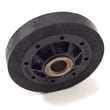
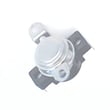
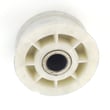
If you are also dealing with dryer performance after washing (long dry times, lint buildup), these parts are commonly involved:
Last updated: February 2026
Does Speed Queen have front load washers?
Yes. Speed Queen makes front load washers as part of its home laundry lineup; they are a separate product type from the Speed Queen LTSA7AWN stacked laundry center, so you will shop parts and service information by the exact model number.
How to make sure you are looking at the right washer
Front load and top load machines use different drive systems, door/lock parts, and controls, so matching the model is the fastest way to get the correct replacement parts.
- Confirm whether your washer loads from the front (door on the front panel) or from the top (lid on top)
- Find the model tag and write down the full model number exactly as shown
- Use the model number to select the correct parts list for your washer
- For the LTSA7AWN laundry center, use the parts list for common wear items like the dryer belt and lint filter
Common parts that differ between front load and stacked laundry centers
| Item | Front load washer (typical) | LTSA7AWN stacked laundry center (examples on this page) |
|---|---|---|
| Drive system | Motor, belt or direct drive, shock absorbers | Dryer drum belt and pulley system for the dryer section |
| Access | Front door boot and door lock | Lint ducting and belt access panels |
| Routine maintenance | Clean pump filter (if equipped), door gasket care | Clean lint filter and check belt wear |
Why it matters
When you order parts for Speed Queen equipment, the model number determines the correct fit. Even within the same brand, a front load washer and a stacked laundry center can share almost no interchangeable parts.
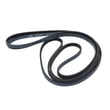
If you are maintaining the dryer section of the LTSA7AWN, common items to check include the Speed queen dryer belt D511255P and the Speed queen lint filter D503980W.
Last updated: February 2026
What are the common problems with Speed Queen washers?
Common problems we see with Speed Queen laundry setups like model LTSA7AWN include not draining or spinning, excessive vibration or out-of-balance loads, and electrical or control-related no-start symptoms. Most issues trace back to airflow and lint buildup on the dryer side, loading and leveling on the washer side, or a worn mechanical part.
Most common symptoms and what they usually mean
- Washer will not drain or spin: drain path restriction, pump issue, or a safety switch problem.
- Washer shakes or walks: unlevel unit, overloaded tub, or uneven load distribution.
- Poor cleaning or low agitation performance: overloading, too much detergent, or cycle selection not matched to soil level.
- Dryer takes too long to dry: restricted venting, lint blockage, or poor airflow at the lint screen area.
- Dryer squeals or drum will not turn: worn or broken belt.
Quick checks we recommend first (safe, no tools)
- Confirm the unit is level front-to-back and side-to-side; stacked laundry centers amplify vibration.
- Re-load with smaller, balanced loads (mix items, avoid washing one heavy item alone).
- Verify the drain hose is not kinked, crushed, or shoved too far down the standpipe.
- For drying complaints, clean the lint screen and inspect the lint screen housing and cover.
- If the dryer drum is not turning or you hear squealing, check the Speed queen dryer belt D511255P.
Parts that commonly relate to these complaints
| Problem area | What you notice | Example part on this model page |
|---|---|---|
| Drum drive (dryer) | Drum not turning, squeal, burning rubber smell | Speed queen dryer belt D511255P |
| Lint screen area (dryer) | Poor airflow, lint escaping, longer dry times | Speed queen lint filter D503980W and Speed queen dryer lint filter cover D510502W |
| Electrical noise or intermittent power | Random shutoffs, odd behavior after a surge | Speed queen line filter 201058 |
Why it matters
Drain, balance, and airflow problems can turn into bigger failures: repeated out-of-balance spinning stresses suspension and bearings, and restricted dryer airflow increases heat and wear on drive components.
Last updated: February 2026
What is the average lifespan of a Speed Queen washer?
Speed Queen washers typically last about 20 to 25 years in normal home use when they’re installed correctly and maintained (leveling, proper loads, and routine cleaning). For your Speed Queen LTSA7AWN stacked laundry center, keeping wear items in good shape helps you reach that full service life.
Typical lifespan: what to expect
Most residential washers fall into a shorter range, but Speed Queen machines are known for commercial-style durability.
| Appliance type | Typical lifespan | What shortens it fastest |
|---|---|---|
| Speed Queen washer (residential use) | 20 to 25 years | Overloading, chronic out-of-balance loads, poor leveling |
| Typical residential washer (many brands) | 10 to 12 years | Overloading, detergent buildup, neglected maintenance |
What helps your LTSA7AWN last 20 to 25 years
We see the longest lifespans when these basics are followed:
- Keep the unit level so the tub and suspension are not constantly stressed
- Avoid overloading; heavy, dense loads wear bearings, seals, and drive components faster
- Use the right amount of HE detergent (too much causes buildup and odors)
- Leave the lid open after use to reduce moisture and mildew
- Address unusual noises, burning smells, or repeated out-of-balance events early
Parts that commonly affect longevity
A washer’s lifespan is often limited by a few serviceable components. On a stacked laundry center, dryer maintenance also matters because heat and lint issues can create downtime.
- If the dryer side starts slipping or squealing, a worn belt is a common cause; see Speed queen dryer belt D511255P
- If airflow is restricted, inspect the lint path and cover; see Speed queen dryer lint filter cover D510502W and Speed queen lint filter D503980W
Why it matters
A longer-lasting washer reduces total cost of ownership and prevents secondary damage. For example, chronic vibration from poor leveling can turn a simple balance issue into repeated repairs over time.
Last updated: February 2026