Error Codes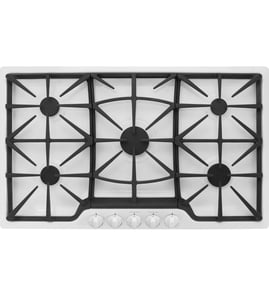



Do you need a regulator for a gas cooktop?
Yes. A gas cooktop needs a gas pressure regulator so the burners get steady, correct pressure for safe ignition and consistent flame size. For Thermador model PCS486GD, plan on using the regulator specified for the fuel type (natural gas or LP) and your local code requirements.
When a regulator is required
In residential installations, a regulator is used in these common situations:
- The cooktop is connected to a home natural gas or LP supply
- The cooktop does not have a regulator integrated at the gas inlet
- You are converting between natural gas and LP (regulator setting and orifices must match)
- Flames are too high, too low, yellow-tipped, or sooty
- Other gas appliances running cause your burner flames to change noticeably
How to check whether one is already installed
Use these practical checks on the Thermador PCS486GD gas inlet area:
- Look for a small metal regulator body at or near the cooktop gas inlet (often marked with a flow-direction arrow)
- Check for markings such as “NAT” or “LP” and a pressure rating in inches of water column (in. W.C.)
- Trace the line from the shutoff valve to the cooktop; if there is no regulator device in-line and none at the inlet, one is missing
Typical pressure targets (why regulation matters)
Correct pressure prevents over-firing, improves simmer control, and helps ignition reliability.
| Fuel | Typical supply pressure | Typical appliance manifold pressure |
|---|---|---|
| Natural gas | 5 to 7 in. W.C. | 3.5 in. W.C. |
| LP (propane) | 11 to 14 in. W.C. | 10 in. W.C. |
Related part if the issue looks like “pressure” but is really ignition
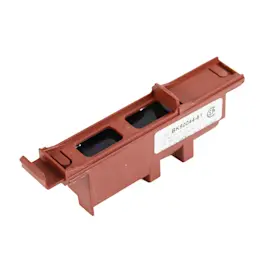
Rapid clicking, delayed lighting, or inconsistent sparking can be caused by the ignition system, not gas pressure. If you are diagnosing ignition symptoms on this model, we list the Thermador electronic spark 00415124.
Last updated: February 2026
How do I reset a Thermador oven?
A “reset” depends on what you’re working on. Your Thermador PCS486GD is a gas cooktop (star burner), not an oven; it has no oven control to reset. For PCS486GD ignition problems, the practical reset is a safe power-cycle of the spark system.
Reset (power-cycle) steps for the PCS486GD cooktop
- Turn all burner knobs to OFF.
- If the cooktop is plugged in, unplug it; if it’s hardwired, switch the circuit breaker OFF.
- Wait 5 minutes.
- Restore power.
- Test ignition on one burner, then the rest.
If ignition still acts up after a power-cycle
- Dry the burner caps and igniter area; moisture causes constant clicking.
- Clean burner ports and reseat the burner cap so it sits flat.
- Check that knobs fully return to OFF (a stuck switch can keep sparking).
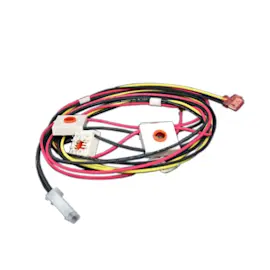
- Inspect igniter wires for damage or loose connections.
Symptom guide
| What you see | What it usually means | What to do |
|---|---|---|
| No clicking at any burner | No power to spark system or failed spark module | Verify power; then check the spark module |
| Clicking won’t stop | Moisture, dirty electrode, or stuck switch | Dry/clean; confirm switches release |
| One burner won’t light | Dirty ports or misaligned cap | Clean ports; reseat cap |
Part that commonly affects “reset-like” ignition failures
If power is good and cleaning/drying doesn’t help, the ignition control (spark module) is a common fix for no-spark or weak-spark issues. The part listed for this model is the Thermador electronic spark 00415124.
Why it matters
Power-cycling clears temporary electrical glitches, but repeated ignition failures on a gas cooktop are usually caused by moisture, dirty burner components, switch issues, wiring damage, or a failing spark module.
Last updated: February 2026
What is the difference between a gas range and a gas cooktop?
A gas range is a single appliance that combines a cooktop and an oven in one unit, while a gas cooktop (like the Thermador PCS486GD) is just the burner surface and installs into a countertop; it requires a separate wall oven if you want baking.
Quick comparison
| Feature | Gas cooktop (PCS486GD) | Gas range |
|---|---|---|
| Includes an oven | No | Yes |
| Typical installation | Built into countertop | Freestanding or slide-in |
| Best for | Custom kitchen layouts, separate ovens | All-in-one cooking and baking |
| Service focus | Burners, ignition, gas valves | Cooktop plus oven controls, bake/broil system |
How to choose the right setup
- Choose a gas cooktop if you want a built-in look, flexible oven placement, or multiple ovens.
- Choose a gas range if you want a simpler, all-in-one appliance replacement.
- Measure your cutout or opening carefully before buying; cooktops and ranges use different cabinet dimensions.
- Plan ventilation; both often need a range hood, but cooktop layouts can change hood sizing and placement.
- Consider service access; cooktops often require lifting the unit out of the counter for some repairs.
Why it matters for parts and troubleshooting
A cooktop and a range can share similar burner and ignition concepts, but the parts lists are different because ranges also include oven components. For ignition issues on the Thermador PCS486GD, a common repair path is checking the spark system and wiring, then replacing the ignition component if needed (for example, the Thermador electronic spark 00415124).
Common symptoms that point to ignition parts
- Clicking but no spark at one or more burners
- Weak or intermittent sparking
- Spark works on some burners but not others
- Sparking continues after the flame is lit
For safe electrical checks during diagnosis, we use the same basic approach shown in how to use a multimeter to test electrical parts video.
Last updated: February 2026
What is the life expectancy of a Thermador oven?
A Thermador oven lasts 15 years. If you are using Thermador model PCS486GD, note that it is a gas cooktop (not an oven); cooktops of this type also last about 15 years, and ignition parts are the most common wear items.
Typical lifespan and what usually fails first
Even when the appliance itself has years of life left, a few components tend to wear out earlier.
- Thermador oven: 15 years
- Thermador gas cooktop/rangetop (like PCS486GD): 15 years
- Most common cooktop wear items: spark module, igniters/electrodes, burner components
- Most common oven wear items: igniter (gas), bake element (electric), temperature sensor, control board
| Appliance | Typical life expectancy | Common early repairs |
|---|---|---|
| Built-in oven or range oven | 15 years | Ignition or heating parts, sensors, controls |
| Gas cooktop/rangetop (PCS486GD) | 15 years | Spark/ignition parts, burner-related issues |
Signs your PCS486GD cooktop is aging (not oven symptoms)
These are the issues we see most often on gas cooktops as they get older:
- Constant clicking or sparking even when burners are off
- One or more burners will not ignite, or ignition is slow
- Weak or inconsistent spark across multiple burners
- Burners light but flame is uneven (often cleaning or burner-part related)
- Intermittent ignition after boil-overs or heavy cleaning
Why it matters
Knowing the 15-year service life helps you decide whether a repair is worth it. On a cooktop like PCS486GD, replacing an ignition component often restores reliable lighting without replacing the entire unit.
Part that commonly fixes no-spark or weak-spark issues
If multiple burners are not sparking, the spark module is a primary suspect. For this model, the parts list includes the Thermador electronic spark 00415124.
- Disconnect power before inspecting or replacing ignition parts
- Keep burner heads and electrode tips clean and dry
- Check wiring connections for heat damage or looseness
Last updated: February 2026