Owner’s manual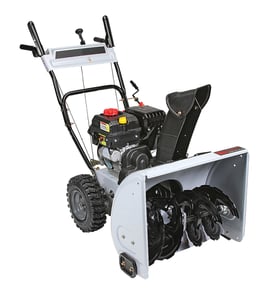


What is better, a 2 stage or 3 stage snow blower?
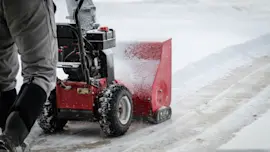
A 2-stage snowblower is the best fit for most homeowners because it handles typical driveway snow efficiently using an auger plus an impeller. A 3-stage snowblower is better for extreme conditions (deep, heavy, plowed-in, or icy snow) because it adds an accelerator that feeds snow faster.
Quick comparison: 2-stage vs 3-stage
- 2-stage: auger pulls snow in, impeller throws it out; strong all-around performance
- 3-stage: adds an accelerator in front of the auger; faster intake and better breakup of dense snow
- Cost and size: 3-stage units are typically larger, heavier, and more expensive
- Best use case: 2-stage for most driveways; 3-stage for frequent heavy, wet, or plow-packed snow
| Feature | 2-stage snowblower | 3-stage snowblower |
|---|---|---|
| Snow intake system | Auger + impeller | Accelerator + auger + impeller |
| Deep, heavy snow | Very good | Excellent |
| Plow-packed end-of-driveway | Good | Excellent |
| Typical homeowner value | High | Medium (best for severe conditions) |
How this applies to Poulan model PR624ES-96192003701
Your Poulan PR624ES-96192003701 is designed for driveway and sidewalk clearing, and the best “stage” choice comes down to your snow type and how often you deal with dense, end-of-driveway piles. For operating and safety guidance (including safe chute clearing), follow the PR624ES-96192003701 owner's manual.
Choosing the right one for your driveway
Use these practical rules:
- Choose 2-stage if you get regular snowfall, have a standard driveway, and want strong performance without extra cost.
- Choose 3-stage if you frequently face wet, heavy snow, deep drifts, or plowed-in berms and want faster clearing.
- If you have a gravel drive, plan on adjusting skid shoes and clearing height to avoid picking up stones.
- If your snowblower slows down or stops throwing well, check belts and the chute for clogs before assuming you need a bigger machine.
Why it matters
The “best” snowblower is the one that matches your snow conditions. Oversizing can mean extra cost and weight; undersizing can mean slower clearing and more clogging. Proper operation and maintenance also prevent common performance issues like reduced traction or reduced snow discharge.
Last updated: January 2026
What is the best month to buy a snowblower?
For a Poulan snow thrower like model PR624ES-96192003701, the best buying window is typically August through October for strong selection and pre-season pricing, or February through April for end-of-season clearance (usually lower prices, but fewer models left). Mid-winter is usually the worst time because demand and prices peak.
Best time to buy (by goal)
- Best selection: August, September, October
- Best clearance pricing: February, March, April
- Deal events (often good, stock varies): November (Black Friday period)
- Worst time (highest demand): December and January
Quick comparison
| When you buy | Typical pricing | Selection | Best for |
|---|---|---|---|
| Aug to Oct | Good | Best | Getting the exact size and features you want |
| Nov | Good to very good | Good | Catching promo pricing if inventory holds |
| Dec to Jan | Highest | Limited | Only if you need it immediately |
| Feb to Apr | Lowest | Lowest | Saving money if you can accept limited choices |
What to check before you buy
Even when you find a great price, we recommend confirming these basics so the snowblower performs well and lasts:
- Fuel plan: Use fresh, regular unleaded gas (87 octane minimum) and avoid storing old fuel for long periods.
- Tire pressure: Many snowblowers ship overinflated; correct pressure matters for traction and throwing performance.
- Maintenance readiness: Plan for oil changes, spark plug checks, and lubrication during the season.
- Wear items: Belts and shear bolts are common service items to keep on hand.
- Storage approach: Let the engine cool before storing; avoid storing with fuel indoors near ignition sources.
For model-specific setup and operating tips, use the PR624ES-96192003701 owner's manual.
Why it matters
Buying earlier (late summer to early fall) helps you avoid in-season shortages and gives you time to assemble, adjust, and test-run the machine before the first storm. The manual also recommends operating at a safe pace and using proper techniques to prevent clogs and freeze-ups.
Last updated: January 2026
What is the typical lifespan of a gas snowblower?
A gas snowblower like the Poulan PR624ES-96192003701 typically lasts 10 to 15 years with normal residential use and consistent maintenance. With excellent care (oil changes, proper cleaning, and correct off-season storage), many gas snow throwers reach 15 to 20 years.
What extends the life of a PR624ES-96192003701 snow thrower
We see the longest-lasting machines when owners follow the maintenance and storage guidance in the PR624ES-96192003701 owner's manual. Key habits include:
- Change engine oil every 25 hours of operation or at least once per year
- Check oil level before starting and after about 5 hours of continuous use
- Clean the housing after each use; keep dirt and debris from building up
- Run the machine a few minutes after throwing snow to help prevent collector or impeller freeze-up
- Store it clean and dry; avoid storing with fuel indoors near ignition sources
Quick lifespan expectations by usage
| Usage pattern | Typical lifespan | What usually wears first |
|---|---|---|
| Light (few storms per year) | 15 to 20 years | Belts, friction drive components, cables |
| Moderate (regular winter use) | 10 to 15 years | Belts, bearings, chute rotation parts |
| Heavy (long runs, wet snow, commercial-like use) | 7 to 12 years | Auger/impeller drivetrain, gearbox, engine wear |
Parts that commonly affect “end of life” decisions
A snowblower often feels “worn out” when a few high-wear systems stack up at once. These are common repair drivers:
- Auger or ground drive belt slipping or breaking (loss of throwing or drive power)
- Bearing wear causing noise or wobble at the auger shaft
- Gearbox wear leading to poor auger performance
- Chute rotation problems (hard to aim discharge)
- Engine issues from old fuel, low oil, or poor storage practices
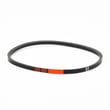
If you are already doing a belt replacement, the snowblower auger drive belt 532408007 is one of the model-matched parts we often see replaced during a mid-life tune-up.
Why it matters
A realistic lifespan helps you decide whether to invest in maintenance (oil, lubrication, belts) or plan for a larger repair. On gas snowblowers, routine oil service and correct storage are the biggest factors that prevent early engine wear.
Last updated: January 2026
What kind of oil does a Poulan Pro snowblower use?
For the Poulan PR624ES-96192003701 snow thrower, we use high-quality detergent engine oil rated API SG–SL; SAE 30 is specified for temperatures above 50°F, and SAE 5W-30 or 10W-30 can be used for colder conditions. Follow the viscosity chart and service intervals in the PR624ES-96192003701 owner's manual.
Oil type and viscosity (what to buy)
Use oil that meets API service classification SG–SL and choose viscosity based on outdoor temperature.
- Above 50°F: SAE 30
- Colder weather: SAE 5W-30 or SAE 10W-30
- Check oil level before starting and after every 5 hours of continuous use
- Change oil about every 25 hours of operation (or at least once per year)
Quick viscosity guide
| Expected operating temperature | Recommended oil viscosity | Notes |
|---|---|---|
| Above 50°F | SAE 30 | Best match for warm conditions |
| Around freezing and below | SAE 5W-30 or SAE 10W-30 | Helps cold starting |
| Above 32°F with multi-viscosity | 5W-30 or 10W-30 | Check level more often; oil consumption can increase |
How to avoid common oil-related problems
These steps prevent hard starting, smoking, and low-oil engine damage.
- Keep the snowblower on a level surface when checking or changing oil
- Check the dipstick each time; do not overfill
- Warm the engine briefly so oil drains more completely (use caution around hot parts)
- Use a clean drain pan and dispose of used oil properly
- For storage, drain warm oil and refill with clean oil before putting the unit away
Why it matters
Correct oil viscosity protects the engine in your PR624ES-96192003701 by maintaining proper lubrication at the temperatures you actually run in. Too-thick oil can make cold starts harder; too-thin oil in warmer weather can increase consumption and lead to low oil level.
Last updated: January 2026