Installation guide
 Owner’s manual
 Error Codes


What is the most common problem with a KitchenAid dishwasher?
Drain and water-flow issues are the most common problems we see on KitchenAid dishwashers like model KUDS40CVSS3. Typical symptoms include standing water in the tub, slow draining, or poor cleaning, often caused by a clogged drain path, a restricted hose, or a failing drain pump.
Quick checks we recommend first
- Press START/RESUME if the light is blinking; the dishwasher can pause repeatedly during a cycle.
- Confirm the door is fully closed and latched.
- Check the home breaker or fuse if the dishwasher will not run.
- Look for standing water after the cycle (points to a drain restriction or drain pump issue).
- Inspect the drain hose routing for kinks or a low loop problem.
Most common causes and what to do
| Symptom | Most likely cause | What to check next |
|---|---|---|
| Water left in bottom | Clog in drain path or weak drain pump | Clear debris; listen for pump running during drain |
| Dishes not clean | Spray obstruction or loading issue | Make sure items do not block spray arms or PROSCRUB area |
| Won’t start or stops | Door not latched or cycle paused | Re-latch door; press START/RESUME |
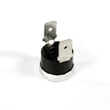
| Completely dead | Power issue or blown thermal fuse | Check supply; test fuse continuity |
Parts that commonly fix drainage problems
If you confirm the dishwasher is trying to drain but water remains, these model-matched parts are common fixes:
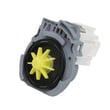
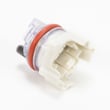
- Dishwasher drain pump WPW10348269 (drains water out of the tub)
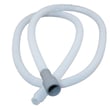
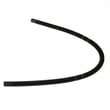
- Dishwasher drain hose 8269144A (cracked, kinked, or restricted hose can slow draining)
Why it matters
Drainage problems can leave dirty water in the sump, reduce wash performance, and create odors. Catching a restriction early also helps prevent strain on the motor and pump components.
For model-specific operating and troubleshooting steps (including START/RESUME behavior), follow the KUDS40CVSS3 owner's manual.
Last updated: February 2026
How to fix rubber seal on KitchenAid dishwasher?
On the KitchenAid KUDS40CVSS3 dishwasher, a “rubber seal” problem is usually the door seal pulling out of its channel or getting twisted. We fix it by cleaning the channel, pressing the seal in evenly end-to-end, then keeping the door closed for several hours so it seats flat.
Quick fix steps (reseat the seal)
- Turn off power at the breaker and avoid leaning on the open door.
- Open the door and inspect the seal for twists, tears, or hardened sections.
- Wipe the seal channel and the seal with warm water and mild dish soap; remove grit and detergent buildup.
- Starting at one end, press the seal into the channel using your fingers, working a few inches at a time.
- Close and latch the door; keep it closed for several hours so the gasket relaxes into position.
- Run a short cycle and check for drips along the bottom corners.
When the seal needs replacement
If the seal is torn, permanently flattened, or won’t stay in the channel, replacement is the reliable fix. For KUDS40CVSS3, use the correct OEM-style door seal so the door closes without forcing and the tub lip seals evenly.
Common symptoms and what they point to
| Symptom | Most likely cause | What to do |
|---|---|---|
| Leak at bottom corners | Seal not fully seated or twisted | Reseat and latch door for several hours |
| Door suddenly “hard to close” | Seal bunched up in channel | Reinstall evenly, do not stretch |
| Seal falls out repeatedly | Channel dirty or seal deformed | Clean channel; replace if deformed |
Related parts that can affect sealing
A leak is not always the door seal. If water is coming from underneath or during drain-out, check these common items:
- Drain hose routing and connections (kinks, loose clamp)
- Drain pump area for seepage
- Tub-to-sump sealing surfaces
If you’re troubleshooting a drain-related leak, the dishwasher drain hose 8269144A is a common wear item to inspect for splits and loose connections.
Why it matters
A properly seated door seal keeps wash pressure inside the tub, prevents cabinet damage, and helps the dishwasher dry better by controlling airflow and moisture.
For diagrams and model-specific guidance, follow the KUDS40CVSS3 owner’s manual.
Last updated: February 2026
What's the average lifespan of a KitchenAid dishwasher?
A KitchenAid undercounter dishwasher like model KUDS40CVSS3 typically lasts 10 to 15 years in normal household use. Consistent cleaning, correct loading, and fixing small issues early (drain problems, leaks, heating issues) are what most often determine whether you land closer to 10 or 15.
What affects lifespan the most
- Water quality and detergent use: hard water buildup and excess detergent shorten component life.
- Drying performance habits: using rinse aid helps drying and reduces mineral deposits.
- Drain health: clogs and backflow strain the drain system.
- Door sealing and alignment: leaks can damage wiring and controls.
- Cycle selection: longer, energy-saving cycles are normal on many models and reduce energy use.
Maintenance checklist (best return for the effort)
- Clean the filter and sump area regularly; remove labels, glass, and food debris.
- Use rinse aid and keep the dispenser cap secured to prevent leaks.
- Run hot water at the sink before starting a cycle so the dishwasher fills with hotter water.
- Check the drain hose routing for a high loop/air gap as described in the installation guide.
- Address slow draining quickly; a struggling drain system can lead to standing water and odors.
Common “end-of-life” symptoms and likely areas
| Symptom | What it often points to | Example part for KUDS40CVSS3 |
|---|---|---|
| Won’t drain or leaves water | Drain restriction or failing drain pump | Dishwasher drain pump WPW10348269 |
| Dead/no power | Blown fuse or power supply issue | Fuse W10258275 |
| Poor drying, spots | Rinse aid use, water heating, mineral buildup | (maintenance and water quality) |
| Door won’t stay up | Door balance system wear | (door balance parts) |
Why it matters
Dishwashers usually fail from a few high-wear systems (drain, wash motor, seals, controls). Keeping water moving freely, preventing leaks, and minimizing mineral buildup helps protect expensive components and extends the service life.
Last updated: February 2026
Do KitchenAid dishwashers have filters that need to be cleaned?
Yes. KitchenAid dishwashers, including model KUDS40CVSS3, use a filter area that can collect food soil over time; cleaning it helps prevent poor washing, odors, and draining issues. We recommend checking the filter regularly and cleaning it whenever you see buildup.
How to check and clean the filter
- Turn off power at the breaker for safety.
- Remove the lower rack to access the bottom of the tub.
- Locate the filter area near the bottom center of the dishwasher.
- Lift and remove the filter (some versions use a small retaining clip or twist-lock).
- Rinse under warm water; use a soft brush to remove grease and debris.
- Reinstall the filter securely, then reinstall the rack.
For model-specific diagrams and care steps, use the KUDS40CVSS3 owner’s manual.
How often should I clean it?
Most households do best with this schedule:
| Usage level | Typical cleaning interval | What you’ll notice if it’s overdue |
|---|---|---|
| Light (few loads/week) | Every 1 to 2 months | Mild odor, occasional residue |
| Normal (daily/near daily) | Every 2 to 4 weeks | Film on glasses, gritty debris |
| Heavy (pots, lots of soil) | Weekly to every 2 weeks | Poor cleaning, standing water risk |
Signs the filter needs attention
- Dishes feel gritty after the cycle
- Cloudy glasses or food redeposit
- Musty or sour odor inside the tub
- Slow drain or water left in the bottom
- Detergent not dissolving well
When it’s not just the filter
If cleaning the filter doesn’t improve draining, the issue is often in the drain path. These parts are common suspects on KUDS40CVSS3:
- Dishwasher drain pump WPW10348269 (pump not running or weak)
- Dishwasher drain hose 8269144A (kinked, clogged, or restricted)
- Air gap or garbage disposer inlet (blocked)
Why it matters
A clean filter keeps water moving correctly through the wash system, which improves spray performance, reduces odors, and helps protect components like the sump and motor assembly from debris.
Last updated: February 2026