


Where is the model number on a Craftsman rear tine tiller?
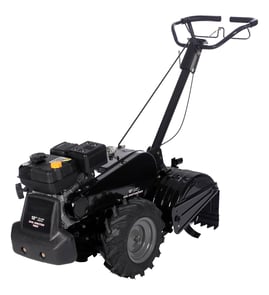
On a Craftsman rear-tine tiller like model 917299854, the model number is printed on a product ID label (a sticker or metal tag) attached to the tiller frame. It’s most often found on the tine shield/guard area, near the engine, or on the front of the unit.
Look for a rectangular label with the model number and serial number. Check these spots first:
- On the tine shield (tine guard) above or behind the tines
- On the main frame rail near the transmission/gear case
- Near the engine mounting area (side of the frame close to the motor)
- On the front frame or handle support bracket
- Near the belt cover or clutch cable routing area
The tag usually includes several identifiers. Record them exactly as shown:
- Model number (example: 917299854)
- Serial number
- Product number or manufacturing code (if listed)
| Item | Why it matters | Example format |
|---|---|---|
| Model number | Ensures correct parts diagrams and fit | 917.299854 or 917299854 |
| Serial number | Helps match production variations | Letters and numbers |
| Product code | Useful for cross-referencing assemblies | Varies |
Using the correct model number prevents ordering the wrong Craftsman tiller parts (like a drive belt, clutch cable, or chain) and helps match the right diagrams for your rear-tine tiller.
If you’re troubleshooting wheel or tine drive issues while you’re locating the tag, our rear tine tiller troubleshooting tips wheels and tines guide is a good starting point.
Last updated: February 2026
How often should I change the oil in my tiller?
For your Craftsman 917299854 rear-tine tiller, we recommend changing the engine oil after the first few hours on a new or newly serviced engine, then about every 25 to 50 hours of use or at least once per season (once per year). Change it sooner if the oil looks dark, smells like fuel, or the engine runs hotter than normal.
Use this as a practical baseline for most rear-tine tillers:
- New engine or fresh rebuild: change after 5 hours
- Normal use: change every 25 to 50 hours
- Dusty, hot, or heavy tilling: change every 25 hours
- Seasonal use: change at the start of each season (or at minimum once per year)
If any of these are true, don’t wait for the hour mark:
- Oil is black and thin on the dipstick
- Oil smells strongly like gasoline
- Oil level keeps dropping (possible leak or consumption)
- Engine surges, runs rough, or seems to labor more than usual
Oil changes are a good time to inspect the parts that make the tiller move and till:
| What you notice | Common cause | What to check next |
|---|---|---|
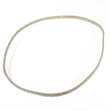
| Tines feel weak or slip under load | Belt wear or glazing | Inspect/replace the husqvarna rear-tine tiller drive belt 591372401 |
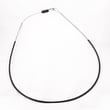
| Engagement feels delayed or inconsistent | Cable stretch or binding | Inspect/adjust/replace the tiller clutch cable 532110675 |
| Rattling or looseness near linkages | Hardware backing off | Verify fasteners like the lawn & garden equipment lock nut 582478602 are secure |
Fresh oil protects the engine from heat and wear, especially during slow, high-load work like breaking new ground. Staying on a consistent oil-change interval helps your Craftsman 917299854 start easier, run cooler, and last longer.
Last updated: February 2026
Can a rear tine tiller cut through roots?
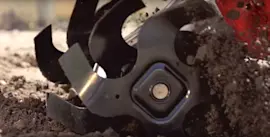
Yes. A Craftsman rear-tine tiller like model 917299854 can cut through small roots while tilling, especially when the tines are sharp and the machine is set up correctly. For larger roots, the safest approach is to expose and remove them first, then till the soil.
Rear-tine tillers are built for tougher ground than front-tine models, but roots vary a lot by size and wood type.
- Small feeder roots: typically cut and churned up during normal passes
- Medium roots: may be cut if you work slowly and make shallow passes
- Large, woody roots: can stop the tines, damage the driveline, or throw the tiller off line
- Surface roots: often snag and wrap; clear them before continuing
- Hidden roots: can cause sudden kick or loss of control; keep a firm grip and stable footing
These steps reduce belt slip, tine wrap, and drivetrain shock.
- Start with a shallow depth setting, then deepen in later passes
- Till in short sections, backing up and re-approaching when you hit resistance
- Keep engine speed steady; avoid forcing the machine forward
- Stop and clear wrapped debris immediately; never reach near moving tines
- If the tines stall or the drive slips, inspect the drive belt and clutch engagement
If the tines stop turning, the tiller creeps, or you smell burning rubber, these parts are often involved:
| Symptom | Common cause | What to check on 917299854 |
|---|---|---|
| Tines slow or stop in tough soil | Belt slipping or worn | Husqvarna rear-tine tiller drive belt 591372401 |
| Tines engage late or inconsistently | Cable out of adjustment or stretched | Tiller clutch cable 532110675 |
| Grinding or binding under load | Drivetrain wear or damage | Chain and gearcase components (inspect for play, noise, leaks) |
Roots create sudden load spikes. Using shallow passes and keeping the drive system in good shape helps your Craftsman 917299854 tiller cut what it should, while preventing belt damage, cable issues, and drivetrain wear.
For more technique and troubleshooting, use rear tine tiller troubleshooting tips wheels and tines.
Last updated: February 2026
What tiller is made in the USA?
Some tillers are made in the USA, but it varies by brand, model, and even production year. For a Craftsman rear-tine tiller like model 917299854, the most reliable way to confirm “Made in USA” is to check the product ID plate and any original packaging or documentation that came with the machine.
Look for these identifiers on your tiller:
- Product ID plate on the frame (often near the engine mount or transmission housing)
- Country of origin statement (for example, “Made in USA” or “Assembled in USA”) on the plate
- Engine label (engine origin can differ from the tiller’s assembly origin)
- Model and serial number (useful for matching the correct parts list)
- Original sales paperwork if you still have it
In the current market, USA-made options are most common in specialty or heavy-duty categories:
- Commercial or farm-duty rear-tine tillers
- Small cultivators built by niche manufacturers
- Legacy-style garden tillers that emphasize rebuildable drivetrains
For general background on what to look for when comparing tiller types, we recommend a guide to garden tillers.
Country of origin can affect parts interchange, hardware standards, and long-term serviceability. Even when two tillers look similar, the drive system (belt, clutch cable, chain drive, gear case) can be completely different, which changes the parts you need.
If you are maintaining or repairing your Craftsman 917299854, these are frequent wear items that help restore performance:
| Symptom | Common wear area | Example part on this model page |
|---|---|---|
| Tines or wheels slip | Drive belt | Husqvarna rear-tine tiller drive belt 591372401 |
| Engagement feels loose | Clutch linkage | Tiller clutch cable 532110675 |
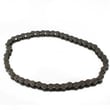
| Clicking or binding | Chain drive | Tiller chain, #25-50 532102134 |
When ordering, match the model number 917299854 and compare the part description carefully so you get the correct belt, cable, or chain for your exact configuration.
Last updated: February 2026
How to lubricate a tiller?
For a Craftsman 917299854 rear-tine tiller, lubrication means keeping the drive and tine components moving freely: lightly oil the control pivots and cables, and keep the gearcase properly lubricated. If you see dry, rusty, or noisy moving points, service them before the next tilling session.
- Wheel and tine engagement pivots and linkages (light oil)
- Clutch/drive control pivot points (light oil)
- Cable ends and cable pivot points (light oil; avoid soaking the cable housing)
- Tine shaft area and external rotating joints (light oil, wipe excess)
- Gearcase lubrication level (service per design; do not overfill)
- Shut the engine off, let it cool, and disconnect the spark plug wire.
- Brush off dirt around moving joints so grit does not get pulled into pivots.
- Apply a few drops of light machine oil to pivots and linkage points; cycle the controls to work it in.
- Inspect the drive system for wear while you are there; a slipping or glazed belt often feels like a lubrication problem.
- Wipe off excess oil so it does not attract dust.
Lubrication helps, but it will not fix a worn drive system. These parts commonly affect drive performance on this model:
| Symptom | Most likely area | What to check |
|---|---|---|
| Tines/wheels hesitate or slip | Belt and pulleys | Belt wear, cracking, glazing |
| Control feels loose or won’t hold | Clutch cable/linkage | Cable stretch, binding, broken strands |
| Grinding or clunking | Chain/gearcase | Chain condition, abnormal noise, leaks |
Relevant parts for Craftsman 917299854 include the husqvarna rear-tine tiller drive belt 591372401 and tiller clutch cable 532110675.
Proper lubrication reduces friction and heat, helps prevent rust, and keeps the clutch and engagement controls responsive. It also makes it easier to spot oil leaks, worn belts, and loose hardware before they cause bigger drive or tilling problems.
For more step-by-step guidance, use our DIY help: how to replace a tiller drive belt and rear tine tiller troubleshooting tips wheels and tines.
Last updated: February 2026