 Installation guide
 Owner’s manual




What is the average lifespan of a Frigidaire dishwasher?
Most Frigidaire dishwashers, including model FDB750RCS0, typically last 9 to 12 years with normal household use. Consistent cleaning, correct detergent use, and good incoming water conditions (hot water and adequate pressure) are what most often determine whether you land on the low or high end.
What affects dishwasher life the most
- Water temperature: Best results start with incoming water around 120°F (49°C).
- Water pressure: The supply line should deliver 20 to 120 psi.
- Water hardness: Hard water speeds up mineral buildup in the sump, spray arms, and valve.
- Loading habits: Overloading and blocking spray arms increases strain on the motor and pump.
- Routine care: Regular cleaning reduces odors, clogs, and poor wash performance.
Quick maintenance checklist (high impact)
- Run hot water at the sink until it is hot before starting a cycle.
- Keep the filter and sump area clear of debris.
- Make sure dishes do not block the lower and middle spray arms.
- Use fresh detergent and fill rinse aid correctly.
- Inspect door sealing surfaces and wipe the tub gasket area clean.
Typical lifespan ranges (what to expect)
| Usage pattern | Typical lifespan | What usually ends it |
|---|---|---|
| Light (few loads/week) | 11 to 13 years | Door leaks, rack wear, minor electrical issues |
| Average (daily or near-daily) | 9 to 12 years | Pump/motor wear, heater issues, leaks |
| Heavy (multiple loads/day) | 7 to 10 years | Motor/pump, valve, and seal wear |
Why it matters
A dishwasher that is not getting hot enough water or is fighting low pressure often runs longer, cleans worse, and puts extra load on the wash motor, drain system, and heating circuit. Following the operating and care guidance in the FDB750RCS0 owner’s manual helps you get the full service life from the tub, pump, and water distribution system.
Last updated: February 2026
What is the most common problem with a Frigidaire dishwasher?
On the Frigidaire FDB750RCS0 dishwasher, the most common day-to-day problems are poor cleaning and drainage caused by restricted water flow (low fill, blocked spray, or a kinked drain hose) and “won’t run” symptoms caused by simple start conditions (delay start selected or the door not fully latched). See the FDB750RCS0 owner's manual for the model’s troubleshooting checklist.
Most common symptoms we see (and what usually causes them)
- Food soils left on dishes: low incoming water temperature, low water pressure, blocked spray path, or loading that blocks spray arms
- Won’t start or won’t run: delay start selected, door not closed and latched, tripped breaker or blown fuse
- Not draining: disposer knockout plug not removed (new disposer hookup), disposer full, or drain hose kinked
- Won’t fill: water supply off, inlet hose kinked, or overfill protector (float) stuck
- Leaks at the door: worn door seal or latch not pulling the door tight
Quick checks you can do in 10 minutes
- Confirm the door closes and latches firmly; a loose latch can stop the cycle from starting.
- Check if Delay Start is selected; cancel it and restart the cycle.
- Verify the water supply valve is fully on and the inlet line is not kinked.
- Inspect the drain hose routing for kinks or crushing behind the dishwasher.
- If connected to a disposer, make sure the disposer inlet knockout plug has been removed.
What “normal” looks like for water and fill
The manual calls out performance targets that directly affect cleaning:
| Item | Typical target for good cleaning | What you’ll notice if it’s off |
|---|---|---|
| Incoming water temperature | 120°F (49°C) or higher | Greasy film, poor soil removal |
| Home water pressure | 20 to 120 psi | Weak wash action, incomplete fill |
Parts that commonly solve the problem
If your checks point to a sealing or draining issue, these model-matched parts are common fixes:
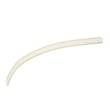
- Gasket 809006501 (lower door seal) for door-edge leaks
- Hose 807117001 (drain hose) for slow or no drain when the hose is kinked or deteriorated
- Dishwasher door latch assembly 5304442175 if the door will not latch consistently
Why it matters
Dishwashers clean by combining correct fill, hot water, and strong spray circulation. When water temperature, pressure, or drainage is off, the FDB750RCS0 can leave food soils behind, run longer, or stop mid-cycle.
Last updated: February 2026
Can I replace dishwasher parts myself?
Yes, for the Frigidaire FDB750RCS0 dishwasher, we can replace many common parts ourselves if we shut off power and water first and follow the correct steps. Jobs like fixing leaks, replacing a latch, or swapping a hose are typically DIY-friendly; wiring and hard-plumb connections take more care.
What you can usually replace yourself
These repairs are commonly manageable with basic hand tools and careful setup:
- Door sealing parts, such as the gasket 809006501 (helps stop leaks at the door)
- Drain components, such as the hose 807117001 (helps fix slow or no-drain symptoms)
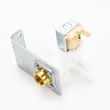
- Fill components, such as the valve 154637401 (helps fix not-filling or weak-fill issues)
- Door closing parts, such as the dishwasher door latch assembly 5304442175 (helps fix “won’t start” due to door not latching)
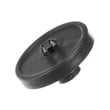
- Rack hardware, such as a dishwasher wheel 5304532229 (helps fix a rack that won’t roll smoothly)
Safety and prep steps we follow first
Before any repair, we use the same basics the installation instructions call out:
- Turn off electrical power at the breaker (dishwashers are hard-wired in many homes)
- Shut off the hot water supply valve to the dishwasher
- Pull the unit forward only as needed; avoid kinking water or drain hoses
- Confirm the dishwasher is level and secured so it cannot tip when the door opens
- If working near wiring, keep the electrical cable routed away from the motor area
For model-specific access points and installation checks, use the FDB750RCS0 installation guide.
Quick DIY vs. technician guide
| Repair type | Typical DIY difficulty | Why it matters |
|---|---|---|
| Door leak at bottom/edges | Easy | Prevents cabinet and floor water damage |
| Not draining | Medium | Standing water causes odor and poor cleaning |
| Not filling | Medium | Low fill leads to weak wash action |
| Electrical junction box wiring | Advanced | Loose connections can stop operation |
Why it matters
Doing the right repair yourself can restore cleaning and prevent leaks, but doing the wrong step (especially with wiring, leveling, or kinked hoses) can create repeat problems. We use the owner's manual for care, cleaning, and safe handling around the heating element.
Last updated: February 2026
What are the commonly replaced parts in a dishwasher?
On the Frigidaire FDB750RCS0 dishwasher, the most commonly replaced parts are the ones that seal, fill, heat, drain, or help the door latch properly. These parts wear from normal use, mineral buildup, and small leaks or clogs, and they directly affect cleaning and drying performance.
Most commonly replaced parts (and what they fix)
- Door seals and gaskets: stop leaks at the door and tub edge; a torn seal often causes water on the floor. Consider the gasket 809006501.
- Drain hose and clamps: fix slow draining, backups, or leaks under the sink. Consider the hose 807117001.
- Water inlet valve: fixes no-fill, underfilling, or intermittent filling. Consider the valve 154637401.
- Float switch / overfill protector circuit: helps prevent overfilling; issues can cause no-fill or overfill symptoms. Consider the switch 154773201.
- Heating system parts: improve drying and water temperature; failures can leave dishes wet. Consider the heater 154665201 and related heating element nut 154106202.
- Door latch parts: fix a door that will not latch or a dishwasher that will not start because it thinks the door is open. Consider the dishwasher door latch assembly 5304442175 and strike 154662601.
Quick symptom-to-part guide
| Symptom | Most likely part area | Example part for FDB750RCS0 |
|---|---|---|
| Water on floor at the front | Door seal / gasket | Gasket 809006501 |
| Won’t drain or drains slowly | Drain hose / drain path | Hose 807117001 |
| Won’t fill or fills too slowly | Water inlet | Valve 154637401 |
| Dishes not drying well | Heater circuit | Heater 154665201 |
| Won’t start (door issue) | Latch/strike | Door latch assembly 5304442175 |
Why it matters
Replacing the correct part first prevents repeat leaks, protects cabinets and flooring, and restores proper wash temperature. For this model, the manual also calls out key performance basics like incoming water temperature (at least 120°F) and adequate water pressure (20 to 120 psi), which can mimic a “bad part” when they are out of range.
Before you order parts
Use the FDB750RCS0 owner’s manual to confirm the symptom checks and safe handling steps.
- Turn off power at the breaker before accessing wiring or the junction box.
- Turn off the water supply before replacing fill or drain components.
- Check the overfill protector float moves freely (about 1 inch).
- Verify the drain air gap (if installed) is clean so the unit drains properly.
- Let the heating element cool before cleaning or servicing inside the tub.
Last updated: February 2026





