Installation guide
 Owner’s manual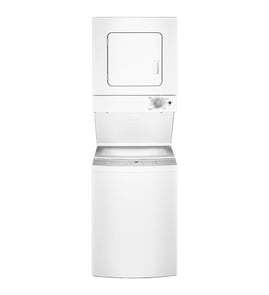



Is GUD27ESSM0WW a brand name?
No. GUD27ESSM0WW is a GE model number, not a brand name; it identifies a specific GE stacked laundry center (unitized washer and electric dryer). For operating details and model identification, use the GUD27ESSM0WW owner's manual.
What the model number tells you
A model number like GUD27ESSM0WW is used to:
- Match the correct replacement parts (belts, switches, control boards)
- Confirm the right installation requirements (power, venting, hookups)
- Look up troubleshooting steps and error code guidance
- Identify the correct manual and wiring/feature set for your exact unit
What the brand name is
For this appliance:
- Brand: GE
- Appliance type: Stacked laundry center (washer and dryer in one unit)
- Category: Laundry center parts
Model number vs. brand name (quick comparison)
| Item | Example | What it means |
|---|---|---|
| Brand name | GE | The manufacturer/brand family |
| Model number | GUD27ESSM0WW | The exact product version for parts and service |
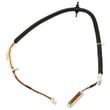
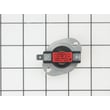
| Part ID | WE03X29897 | The identifier for a specific replacement part |
Why it matters
Using the brand alone is not enough to guarantee fit. Using the exact model number GUD27ESSM0WW helps us match the correct GE parts and the correct procedures (like venting and troubleshooting steps) for your unit.
Last updated: February 2026
Are all washers and dryers 27 inches wide?
No. Many full-size washers and dryers are around 27 inches wide, but widths vary by design (compact, full-size, and laundry centers). For the GE GUD27ESSM0WW stacked laundry center, the installation instructions show an overall width of about 27-3/8 inches with the door closed (including handle and knobs). See the GUD27ESSM0WW installation guide for the exact dimension callouts.
Typical washer and dryer widths (what to expect)
Most laundry appliances fall into a few common width groups:
- Compact units: typically about 24 inches wide
- Full-size units: typically about 27 inches wide
- Some larger-capacity models: can be wider than 27 inches
- Stacked laundry centers: often near 27 inches, but the exact width varies by model
What matters when you are measuring
When you are planning a replacement or checking fit, measure for more than just cabinet width.
- Measure the tightest point (doorways, closet opening, trim)
- Allow space for door swing and knob/handle depth
- Plan for venting and hoses behind the unit
- Confirm clearances for service (you may need extra room to access panels)
- For closets, make sure there is adequate ventilation and required open area
Quick reference: common widths vs. this model
| Appliance type | Common width | GE GUD27ESSM0WW reference |
|---|---|---|
| Compact washer/dryer | ~24 in. | Not typical for this model |
| Full-size washer/dryer | ~27 in. | In the 27 in. range |
| This stacked laundry center | Varies by model | ~27-3/8 in. (door closed) |
Why it matters
A difference of even 1/2 inch can prevent a laundry center from fitting into an alcove or closet, and tight installs can also restrict airflow. Proper fit helps prevent vibration, improves dryer venting performance, and makes future repairs easier.
Last updated: February 2026
How many years should a GE washing machine last?
A GE washing machine typically lasts 10 to 14 years. For your GE GUD27ESSM0WW stacked laundry center, regular care like using the right detergent amount, leaving the lid open to dry, and replacing fill hoses every 5 years helps you reach (and often exceed) that lifespan; see the GUD27ESSM0WW owner’s manual for model-specific care steps.
Typical lifespan and what affects it
Most washers in this class land in the 10 to 14 year range; heavy use, overloading, and poor ventilation shorten life.
Big factors that change lifespan:
- Loads per week (more cycles equals more wear on belts, motor, and bearings)
- Overloading (stresses the drive system and gear case)
- Too much detergent (can cause residue, odors, and leak issues)
- Water quality (soft water often needs less detergent)
- Hose condition and water pressure (old hoses are a common failure point)
Maintenance that extends life (high impact)
These steps come straight from common GE care guidance for this style of washer.
- Replace water supply hoses every 5 years
- Turn off water faucets when not in use to reduce leak risk
- Use less detergent if you have soft water or smaller loads
- Leave the washer lid open after washing so moisture can evaporate
- Wipe spills promptly and clean the basket with a soft cloth (no harsh cleaners)
Quick reference: what to do and how often
| Task | Recommended interval | Why it matters |
|---|---|---|
| Replace fill hoses | Every 5 years | Prevents leaks and hose rupture |
| Turn off faucets when idle | Ongoing | Reduces constant pressure on hoses |
| Adjust detergent amount | Every load | Prevents oversudsing, residue, and leaks |
| Air out washer (lid open) | After each load | Reduces mildew and odor |
Why it matters
Washer “lifespan” is mostly about preventing the failures that end a machine early: leaks (hoses, connections), drive wear (belts, gear case), and moisture-related odor or corrosion. Consistent maintenance is the easiest way to protect the motor, control board, and tub system.
Last updated: February 2026