Error Codes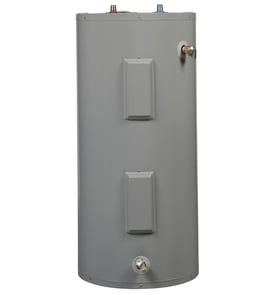



Are A. O. Smith electric water heaters any good?
Ao Smith electric water heaters are a solid, mainstream choice, and many owners get reliable hot water and good performance when the unit is correctly sized and installed. For the Ao Smith ECS30 electric water heater, long-term results depend most on water quality, maintenance, and replacing wear parts like thermostats and heating elements when symptoms show up.
What “good” usually means for an electric water heater
A good electric water heater delivers steady temperature, recovers heat at a normal rate, and runs quietly without frequent breaker trips or leaks.
Common strengths people notice:
- Consistent hot water when the tank size matches household demand
- Straightforward electric design (thermostats plus heating element)
- Parts are serviceable when performance drops
Common complaints (across many brands, including Ao Smith):
- Sediment buildup reducing recovery and efficiency
- Thermostat or element failures causing no hot water or lukewarm water
- Corrosion over time if the anode rod is neglected
What to check on an Ao Smith ECS30 if performance is disappointing
If your ECS30 is not heating well, we focus on the most common, fixable causes first.
- Verify the breaker is on and wiring connections are tight under the terminal covers
- Confirm both thermostats are set to a safe, consistent temperature (many homes use about 120°F)
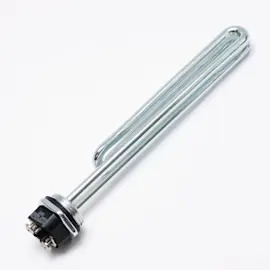
- Test the heating element for continuity and signs of grounding
- Inspect for sediment symptoms (popping sounds, slow recovery)
- Check the anode rod condition if the heater is older or water is aggressive
Parts that most often restore normal heating
These are common “good heater, bad part” items on electric tanks.
| Symptom | Most likely part area | Example ECS30 part to consider |
|---|---|---|
| No hot water | Thermostat or element | Thermostat 100110039 |
| Lukewarm water | Thermostat calibration or element | Element 100109647 |
| Hot water runs out fast | Dip tube or sediment | Dip tube 100109381 |
Why it matters
A water heater can seem “bad” when it is simply undersized for demand or needs routine service. Replacing the correct wear part (thermostat, element, dip tube, or anode rod) often restores performance and helps the tank last longer.
Last updated: January 2026
What are the most common issues with ECS30?
The most common issues we see with the Ao Smith ECS30 electric water heater are no hot water, not enough hot water, water that is too hot, and popping or rumbling noises. These problems usually trace back to a failed thermostat, a burned-out heating element, or normal sediment buildup.
Common ECS30 symptoms and likely causes
- No hot water: tripped breaker, loose wiring, failed thermostat, failed heating element
- Not enough hot water: one element not heating, thermostat out of calibration, dip tube problem
- Water too hot: thermostat stuck closed or set too high
- Popping or rumbling: sediment on the element causing overheating and boiling
- Slow recovery: element partially failed, heavy sediment, voltage issue
Parts that commonly fix these issues
If your troubleshooting points to a component failure, these ECS30 parts are common replacements:
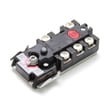
- Thermostat 100110039 (temperature control)
- Thermostat 100109846 (temperature control)
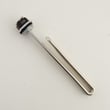
- Element 100109647 (heats the water)
- Dip tube 100109381 (directs incoming cold water to the bottom)
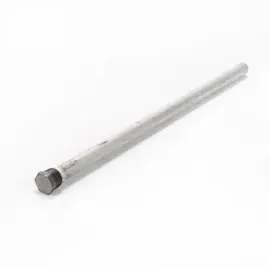
- Anode rod 100109624 (reduces tank corrosion)
Quick checks we recommend (power and burn safety)
- Turn power off at the breaker before removing any covers.
- Inspect for burned wires or loose terminals under the access panel.
- Press the high-limit reset on the thermostat (if equipped) and re-test.
- If you have a multimeter, test thermostats and elements for continuity.
| Symptom | Most common part-related cause | Typical next step |
|---|---|---|
| No hot water | Thermostat or element failed | Test, then replace failed part |
| Not enough hot water | Upper or lower element not heating | Test both elements |
| Water too hot | Thermostat stuck closed | Replace thermostat |
| Noise | Sediment on element | Flush tank; inspect element |
Why it matters
Electric water heaters like the ECS30 rely on thermostats and elements working together. When one fails, you can get lukewarm water, overheating, nuisance breaker trips, or accelerated wear on the element and wiring.
Last updated: March 2026
What is the life expectancy of an A. O. Smith electric water heater?
Most A. O. Smith electric water heaters, including model ECS30, typically last 8 to 12 years with normal water quality and routine maintenance. Keeping the tank protected from corrosion and catching heating issues early helps you reach the upper end of that range.
Typical lifespan and what affects it
A water heater’s service life depends more on conditions than brand alone.
- Water hardness and sediment level (more buildup shortens element life)
- Anode rod condition (the main corrosion protection for the tank)
- Thermostat accuracy and cycling (overheating stresses components)
- Installation factors (leaks, poor electrical connections, lack of expansion control)
- Maintenance frequency (flushing and inspections)
Maintenance that helps you get 8 to 12 years
These are the highest-impact steps for an electric tank water heater.
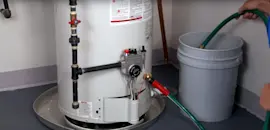
- Flush a few gallons from the tank periodically to reduce sediment
- Inspect and replace the anode rod when it is heavily depleted (common at 3 to 5 year intervals)
- Verify temperature settings are reasonable (many homes run best around 120°F)
- Check wiring and terminal covers for heat damage or loose connections
- Test heating performance if recovery slows or hot water runs out quickly
Parts that commonly influence longevity on ECS30
If performance drops, these parts are often involved.
| Symptom | Common cause | Part to check first |
|---|---|---|
| Not enough hot water | Failed heating element or thermostat | Element 100109647 |
| Water too hot or not hot enough | Thermostat out of calibration | Thermostat 100110039 |
| Rusty odor, faster tank corrosion | Worn anode rod | Anode rod 100109624 |
Why it matters
Once a tank starts corroding through, replacement is usually the practical fix. Replacing wear items like the anode rod, thermostat, or heating element earlier can prevent premature failure and restore normal hot water recovery.
Last updated: January 2026