Owner’s manual
 View engine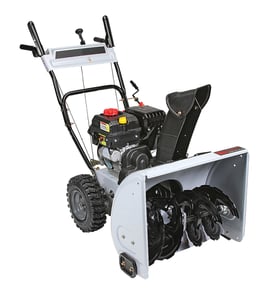



How do I tell what year my snowblower is?
For Craftsman snow thrower model 247889705, the most reliable way to estimate the year is to use the engine’s manufacturing date code (often stamped on the engine shroud, valve cover, or blower housing). Once you decode that number, you can match it to a calendar year and narrow down the snowblower’s age using the model and serial information in the 247889705 owner’s manual.
Where to look for the date information
Check these common locations (clean off snow, oil, and grime first):
- Engine ID tag or decal near the recoil starter housing
- Stamped code on the engine shroud or blower housing
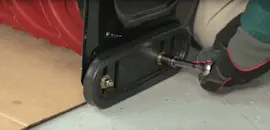
- Model and serial label on the snowblower frame (often near the axle area or rear frame)
- Under the belt cover area (sometimes the frame label is easier to see there)
- Purchase paperwork or original registration card (if you still have it)
How to decode the engine date code (typical method)
Many small engines use a numeric date code where the first two digits indicate the year. For example, a code like 99011556 is commonly interpreted as:
| Code segment | What it usually means | Example value |
|---|---|---|
| First 2 digits | Year | 99 = 1999 |
| Next 2 digits | Month | 01 = January |
| Next 2 digits | Day | 15 = 15th |
| Remaining digits | Plant/sequence | 56 |
Why it matters
Knowing the approximate year helps us match the correct Craftsman parts and diagrams for your 247889705, especially wear items that change over production runs (belts, cables, skid shoes, and scraper blades).
Tips to confirm you have the right parts for your year
Use the year estimate plus your model/serial label to avoid ordering the wrong replacement:
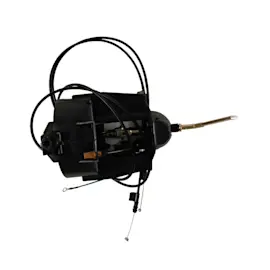
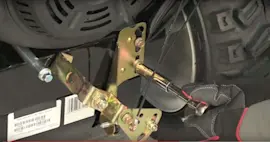
- Compare your current cable routing and bracket style before ordering a new cable
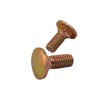
- Replace shear pins with the correct style for your auger setup (never substitute bolts)
- Check belt width and length before ordering a replacement belt
- Inspect skid shoes and scraper blade wear pattern to confirm correct mounting holes
- Use the exploded views in the manual to confirm hardware placement
Last updated: January 2026
Can you clean a snowblower carburetor without removing it?
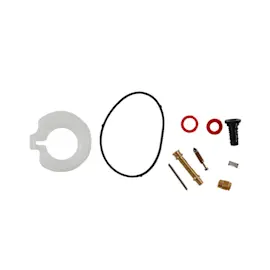
Yes. On the Craftsman snow thrower model 247889705, we can often improve hard-starting or surging by doing an on-engine carburetor clean (spraying cleaner through the intake and draining the bowl), but a full fix for clogged jets usually requires removing the carburetor for disassembly and passage cleaning. See the 247889705 owner's manual for the exact access points and safety steps.
What you can do without removing the carburetor
These steps are a practical first pass when the engine starts but runs rough, hunts, or dies under load.
- Turn the fuel valve OFF (if equipped) and let the engine cool completely.
- Remove the air intake cover and filter (if equipped), then spray carburetor cleaner into the intake while cranking.
- Drain old fuel from the carburetor bowl (if there is a bowl drain screw) into an approved container.
- Replace stale fuel with fresh gasoline; add fuel stabilizer if the machine will sit.
- Check the choke and throttle linkages for free movement.
When removal is the right call
If the snowblower will not start, only runs on choke, or dies as soon as you open the throttle, the main jet or internal passages are typically restricted.
| Symptom | Best next step | Why |
|---|---|---|
| Starts, then surges | On-engine spray clean + fresh fuel | Light varnish can clear without disassembly |
| Only runs on choke | Remove and clean carburetor | Main jet is usually clogged |
| Won’t start at all | Check spark, fuel flow, then carb clean | You need to confirm ignition and delivery |
Related checks that prevent repeat problems
- Inspect the spark plug condition and gap; replace if fouled.
- Confirm fuel flows freely from the tank to the carburetor.
- Clean the fuel cap vent (a blocked vent can mimic carb trouble).
- If drive performance is also poor, service the drive system separately (it is not a carb issue).
Why it matters
A partial clean can get your Craftsman 247889705 running quickly, but leaving varnish in jets and passages often causes the same no-start or “runs only on choke” problem to return after the next cold soak.
Last updated: January 2026
What is the most common problem with snow blowers?
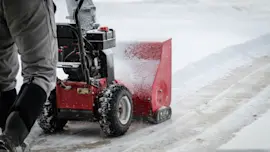
The most common problem we see with gas snow blowers like the Craftsman 247889705 is a no-start or hard-start condition caused by old fuel and a gummed-up carburetor, followed closely by chute clogs and “auger won’t turn” issues from broken shear pins. For model-specific operating and maintenance steps, use the 247889705 owner's manual.
Most common issues (and what usually causes them)
- Won’t start / starts then dies: stale fuel, dirty carburetor, fouled spark plug, or incorrect choke/primer use
- Clogged chute: wet snow, packed snow/ice, or running the auger too fast for conditions
- Auger won’t turn: broken shear pin(s) after hitting ice chunks, gravel, or a hidden object
- Poor throwing distance: worn belt, slipping drive/auger system, or chute/impeller packed with snow
- Drive problems (won’t move or slips): worn traction components, cable out of adjustment, or belt wear
Quick checks we recommend first
- Fuel: drain old gas and refill with fresh fuel (and stabilizer if storing).
- Spark: inspect/clean/replace the spark plug if it’s sooty or wet.
- Chute and housing: clear packed snow and ice only with the engine off and key removed.
- Shear pins: if the auger stopped suddenly, check and replace the shear pin(s) with the correct type.
- Cables and belts: confirm the controls fully engage; adjust if the lever travel feels loose.
Common symptoms and likely fixes
| Symptom | Most likely cause | Typical fix |
|---|---|---|
| Engine won’t start | Old fuel, dirty carburetor | Fresh fuel; clean carburetor; check spark plug |
| Auger stops turning | Shear pin broken | Replace shear pin(s) |
| Snow discharge is weak | Chute/impeller packed; belt slipping | Clear blockage; inspect belt and tension |
| Unit won’t drive | Drive belt/cable issue | Adjust drive cable; inspect belt and friction drive |
Parts that often solve “auger won’t turn” complaints
If the auger stops after a jam or impact, the shear pin is designed to break to protect the gearbox.
Why it matters
Catching fuel and shear-pin issues early prevents repeat no-start problems, reduces chute clogs, and helps protect high-cost components like the auger gearbox and drive system.
Last updated: January 2026
How many years should a snowblower last?
A gas snowblower like the Craftsman 247889705 typically lasts 10 to 20 years with normal residential use and consistent maintenance. The biggest factors are off-season storage, keeping the drive and auger systems adjusted, and replacing wear items before they cause bigger damage (belts, skid shoes, scraper blade).
Typical lifespan by type
| Snowblower type | Typical lifespan | What usually ends it |
|---|---|---|
| Gas, 2-stage (most common) | 10 to 20 years | Neglected fuel system, worn drive components |
| Gas, heavy-duty use | 15 to 25+ years | Corrosion, gearbox wear, repeated impacts |
| Electric (corded/battery) | 5 to 10 years | Motor/electronics, battery aging |
What makes a snowblower last longer
We see the longest life when these basics are done every season:
- Change engine oil on schedule and check oil level before use.
- Use fresh fuel and stabilize fuel before storage.
- Keep the auger and drive controls properly adjusted so belts do not slip.
- Replace wear parts early (skid shoes, scraper blade, belts) to protect the housing and drivetrain.
- Inspect and replace shear pins after jams or impacts.
Wear parts that affect longevity on model 247889705
These parts commonly wear and are worth checking if performance drops:
- Snowblower scraper blade 790-00121-4044 (protects the auger housing edge and improves clean-down)
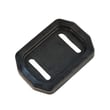
- Mtd snowblower skid shoe 731-06439 (sets scraping height and prevents housing wear)
- Craftsman snowblower shear pin 738-04124A (designed to break to protect the auger/gearbox)
Why it matters
A snowblower usually does not “wear out” all at once; small issues like a worn scraper blade, low skid shoes, or a stretched cable can increase strain on the auger gearbox, belts, and drive system. Staying ahead of those wear items is the easiest way to reach the 10 to 20 year range.
For model-specific maintenance intervals and adjustment procedures, use the 247889705 owner's manual.
Last updated: January 2026