 Installation guide
 Owner’s manual
 Error Codes




What is the average lifespan of a Frigidaire dishwasher?
A Frigidaire dishwasher typically lasts 10 years. To help your Frigidaire FDB949GFB2 reach that lifespan, we recommend consistent cleaning, correct loading, and addressing leaks or draining problems early using the maintenance guidance in the FDB949GFB2 owner's manual.
Most dishwashers follow a predictable pattern as they age:
- 0 to 5 years: Mostly routine upkeep (filters, spray arm cleaning, detergent use)
- 6 to 10 years: Higher chance of wear issues (leaks, poor draining, heating problems)
- 10+ years: Repairs become more frequent; racks, seals, and water system parts often need attention
| Dishwasher age | What you’ll notice most | Common next step |
|---|---|---|
| 0 to 5 years | Minor performance issues | Clean and maintain |
| 6 to 10 years | More noise, slower fills, occasional leaks | Replace worn parts |
| 10+ years | Repeated failures, inconsistent cleaning/drying | Evaluate repair vs. replace |
These factors have the biggest impact on lifespan:
- Water hardness and scale buildup (can reduce heating and wash performance)
- Heavy daily use (more wear on the pump, inlet valve, and door components)
- Clogging from food debris (can lead to poor draining and pump strain)
- Leaking at the door (can damage surrounding components over time)
- Skipping routine cleaning (filters, sump area, and spray paths)
A dishwasher that is maintained tends to clean better, drain more reliably, and avoid secondary damage from leaks. For example, replacing a worn door seal early can prevent water from reaching electrical components and cabinetry.
If your FDB949GFB2 is leaking, not filling, or not drying well, these model-matched parts are common fixes:
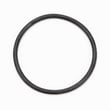
- Gasket 809006501 (door seal, lower)
- Water valve 154637401 (fill problems, slow fill)
- Heater 154665201 (poor drying, cool water)
- Dishwasher drain hose 154225602 (drain leaks, poor draining)
Last updated: February 2026
Can I replace dishwasher parts myself?
Yes, for the Frigidaire FDB949GFB2 dishwasher, we see many customers successfully replace common wear parts themselves as long as power and water are shut off first and the unit is secured correctly. For wiring, door-spring adjustments, or leak-related repairs, follow the steps in the FDB949GFB2 installation guide and work carefully.
Many repairs are straightforward if you can use basic hand tools and follow step-by-step instructions.
- Good DIY candidates: door seals, rack wheels, drain hose, detergent dispenser, float switch
- More advanced: water inlet valve replacement, heater circuit troubleshooting, junction box wiring
- Stop and get help if: you see damaged wiring, repeated breaker trips, or active leaking you cannot pinpoint
Use this checklist every time to prevent shocks, leaks, and installation issues.
- Turn off power at the breaker (not just the control panel)
- Shut off the water supply valve
- Pull the dishwasher out carefully; avoid kinking water and drain lines
- Keep a pan and towels ready for residual water
- If you open the junction box, use a proper strain relief and keep connections tight
- Confirm the dishwasher is secured so it cannot tip when the door opens
These are model-matched parts that often solve everyday problems like leaks, poor draining, or rack issues.
| Symptom | Likely part to check | Example model-matched part |
|---|---|---|
| Water leaking at the door | Door seal and tub gasket area | Gasket 809006501 |
| Not filling or fills slowly | Water inlet valve | Water valve 154637401 |
| Not draining well | Drain hose, pump area | Dishwasher drain hose 154225602 |
| Rack not rolling smoothly | Rack wheel | Dishwasher wheel 5304532229 |
DIY replacement can restore cleaning and drying performance and prevent water damage, but dishwashers combine water, heat, and household wiring. Following the correct installation and securing steps helps prevent tipping, leaks, and loose electrical connections.
Last updated: February 2026
What is the most common problem with a Frigidaire dishwasher?
The most common Frigidaire dishwasher complaints are poor cleaning results, not draining, and leaks. On the Frigidaire FDB949GFB2, these issues are usually tied to loading and detergent choices, a kinked drain hose or disposer connection, or a worn door seal that lets water escape.
- Not cleaning well: confirm spray paths are not blocked by tall items and avoid overloading.
- Not draining: make sure the cycle is complete (not paused) and the drain hose is not kinked.
- Leaking: reduce suds (use fresh automatic dishwasher detergent, measure carefully) and confirm the dishwasher is level.
- Detergent left in the cup: make sure dishes are not preventing the dispenser from opening.
- Not drying: use Heat Dry and keep rinse aid filled; incoming water should be at least 120°F (49°C).
| Symptom | Most likely cause | What we recommend |
|---|---|---|
| Dishes come out cloudy | Hard water, low water temp, too little rinse aid | Fill rinse aid, verify hot water temp, adjust detergent amount |
| Water left in tub | Drain path restriction | Check disposer knockout plug, hose routing, and kinks |
| Suds or overflow | Wrong detergent or rinse aid spill | Use dishwasher detergent only; wipe rinse aid spills |
| Door-area drip | Worn or mis-seated seal | Inspect and replace the lower seal if damaged |
If you confirm a seal or fill issue, these model-matched parts are common fixes for FDB949GFB2:
- Gasket 809006501 (door seal, lower): helps stop door-edge leaks.
- Water valve 154637401 (water inlet valve): helps when the dishwasher will not fill or fills slowly.
- Dishwasher drain hose 154225602 (drain hose): helps when the hose is kinked, split, or restricted.
Cleaning, draining, and leak symptoms often share the same root causes: water flow and sealing. Correct loading, proper detergent, and a clear drain path prevent repeat problems and protect cabinets and flooring.
Use the FDB949GFB2 owner's manual for cycle options (Heat Dry, Delay Start), loading guidance, and the “Solutions to Common Dishwashing Problems” section.
Last updated: February 2026
What are the commonly replaced parts in a dishwasher?
In a Frigidaire dishwasher like model FDB949GFB2, the most commonly replaced parts are the ones that control water flow, heating, sealing, and draining. When you see leaks, poor cleaning, no-fill, or no-heat symptoms, these wear items are the first places we check. See the FDB949GFB2 owner's manual for the component locations and basic operation.
These parts fail most often because of normal wear, mineral buildup, clogs, or repeated door use:
- Door seals and gaskets (stop leaks at the tub and door)
- Water inlet valve (controls filling)
- Heating element and related hardware (heats water and supports drying)
- Drain components (hose, pump path, clogs)
- Filtration and trap parts (catch debris and broken glass)
- Door latch and strike parts (ensure the door closes and stays latched)
Here are several high-frequency replacements that match this model’s parts list:
| Symptom | Likely part to check | Example model-matched part |
|---|---|---|
| Water leaking at the bottom of the door | Lower door seal | Gasket 809006501 |
| Dishwasher will not fill or fills slowly | Water inlet valve | Water valve 154637401 |
| Poor drying or no heat | Heating element | Heater 154665201 |
| Door won’t stay closed or won’t start | Latch/strike alignment | Door strike 154662601 |
| Not draining or draining slowly | Drain path restriction or hose issue | Dishwasher drain hose 154225602 |
Your dishwasher cleans by filling, pumping water through the filter and spray arms, then draining and refilling as the cycle progresses. When a fill part, seal, heater, or drain path starts failing, you typically get obvious symptoms like leaks, weak wash action, or water left in the tub.
We recommend these fast checks because they often point to the right part the first time:
- Confirm the water supply is turned on and the unit is level (leaks and fill issues)
- Check the drain hose for kinks and confirm the cycle is complete (drain complaints)
- Clean out the glass trap and remove debris that can block circulation or draining
- Use fresh automatic dishwasher detergent; too much or the wrong type can cause foaming and overflow
- For drying complaints, use Heat Dry and keep rinse aid filled
Last updated: February 2026





