Error Codes


What is the lifespan of a GE dryer?
A GE gas dryer like model GFDS140GD1WW typically lasts 10 to 15 years. Consistent airflow maintenance (lint screen and venting) and replacing wear items such as the drum belt and glides when symptoms appear are the biggest factors in reaching that lifespan.
Typical lifespan and what affects it
Most dryers fail early due to heat and airflow stress, or drum support wear.
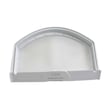
- Clean the lint screen every load and keep the exhaust vent clear
- Avoid overloading; heavy loads strain the belt, idler, and motor
- Use the correct cycle and heat setting for the fabric
- Address squealing, thumping, or burning smells quickly
- Keep the dryer level to reduce drum and bearing wear
Common wear parts that can shorten lifespan
If the dryer runs but gets noisy, stops tumbling, or marks clothes, these parts are often involved.
| Symptom | Likely wear area | Example part for GFDS140GD1WW |
|---|---|---|
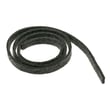
| Drum not turning, motor runs | Belt or idler system | Dryer drum belt WE03X29897 |
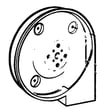
| Squealing or scraping | Drum glides or felt seal | Dryer drum glide bearing, upper WE03X37320 |
| Clothes catching, lint leaks | Drum seal | Dryer drum felt seal WE09X27634 |
Why it matters
A dryer that is starved for airflow runs hotter and longer, which accelerates wear on the drive system, drum supports, and gas heat components. Keeping airflow strong is the simplest way to protect performance, safety, and energy use.
Helpful maintenance guidance
For practical upkeep steps that help you hit the 10 to 15 year range, use these resources:
- How to clean and maintain your clothes dryer
- How to keep a dryer clean and economical
- Dryer takes a long time to dry
Last updated: January 2026
What happens if a dryer gas line is too small?
If the gas supply line feeding your GE GFDS140GD1WW gas dryer is too small, the dryer can be starved for fuel; that typically causes weak burner flame, slow or no heating, longer dry times, and repeated ignition cycling. In some cases the burner may not stay lit consistently.
What you’ll notice (common symptoms)
- Clothes take much longer to dry than normal
- Dryer tumbles but heat is weak or intermittent
- Burner lights briefly, then shuts off and relights repeatedly
- Heat seems fine on small loads but struggles on larger loads
- You smell unburned gas or hear unusual ignition attempts (shut the dryer off)
Why a small gas line causes problems
A gas dryer needs enough gas volume at the correct pressure while it’s running. When the pipe size is undersized (or the run is very long, has many elbows, or shares demand with other gas appliances), pressure drops under load. That pressure drop reduces burner performance and can prevent stable ignition.
Quick comparison: correct vs. undersized supply
| Gas supply condition | What happens at the burner | What you experience |
|---|---|---|
| Properly sized line | Stable pressure and flame | Normal heat and dry times |
| Undersized line | Pressure drop under load | Weak heat, cycling, long dry times |
Safety and next steps
Because this involves gas piping, we recommend having a qualified technician or your gas supplier verify the line size, run length, and supply pressure for your installation.
Before scheduling service, these checks help rule out common airflow issues that mimic “low gas” symptoms:
- Clean the lint screen and confirm strong airflow at the exterior vent hood
- Inspect the vent for kinks, crushed flex duct, or heavy lint buildup
- Avoid long vent runs and excessive elbows when possible
- If the dryer still won’t heat, follow a proven diagnostic path in gas dryer wont heat troubleshooting video
Related parts that can also affect heating
If gas supply and venting check out, ignition components can still cause no-heat or short-cycling symptoms. For this model, a common ignition part is the igniter WE04X25996.
Why it matters
An undersized gas line does not just slow drying; it can lead to unreliable ignition and repeated cycling that increases wear on ignition components and wastes energy.
Last updated: January 2026
What is the most common problem with a GE dryer?
On the GE GFDS140GD1WW gas dryer, the most common service issue we see is a heat problem: the dryer runs and tumbles, but clothes stay damp because the burner is not heating consistently. Start by checking airflow and then test the ignition and temperature-sensing parts.
Quick checks first (fastest fixes)
- Clean the lint screen completely (wash it with warm water if it has a film).
- Confirm strong airflow at the outside vent hood while the dryer runs.
- Check the vent path for kinks, crushed flex duct, or heavy lint buildup.
- Try a timed dry cycle; sensor cycles can end early if airflow is restricted.
- If you smell gas or suspect a gas leak, shut off the gas supply and have a qualified technician check the installation.
Most common “runs but won’t heat” causes on a gas dryer
In a gas dryer like the GFDS140GD1WW, heat depends on ignition, flame sensing, and safe temperature control.
| Symptom | Most likely area | Example part to check on this model |
|---|---|---|
| Tumbles, no heat at all | Ignition system | Igniter WE04X25996 |
| Heats once, then stops heating | Temperature sensing or airflow | Dryer heating element control thermistor WE4M398 |
| Long dry times, very hot cabinet | Restricted venting | Vent ducting and outside hood |
Why airflow matters (even when parts are good)
Poor venting is the number one reason a dryer seems “weak” or “not heating” because the burner can cycle off early to protect the dryer. Good airflow also prevents overheating that can damage thermostats, glides, and seals.
Helpful DIY references
- Use GE gfd model series error codes if your display shows an error and you want a quick direction for troubleshooting.
- For maintenance that improves drying performance, follow how to clean and maintain your clothes dryer.
Last updated: January 2026
Is a 7.3 cubic foot dryer big?
Yes. A 7.3 cubic foot dryer is considered a large-capacity dryer. For your GE GFDS140GD1WW gas dryer, use the capacity listed on the model’s rating label and load by “tumble room” (not a packed drum) to get the best drying and fewer wrinkles.
How 7.3 cu. ft. compares
| Dryer capacity | Common label | Best for |
|---|---|---|
| 3.4 to 4.4 cu. ft. | Compact | Apartments, small loads |
| 5.0 to 6.2 cu. ft. | Standard | Most households |
| 7.0 to 9.0 cu. ft. | Large | Bulky items, family loads |
What “large capacity” means for loads
A large drum is designed to dry better when items can tumble freely. Typical loads that fit well include:
- Mixed family laundry loads
- Large towel loads
- Jackets and heavier items
- Comforters (size and fill matter; follow the care label)
Tips to use the capacity effectively
- Load loosely; stop around 3/4 full for mixed loads.
- Dry bulky items with 1 to 2 towels to help balance tumbling.
- Clean the lint screen every load and keep the vent path clear.
- If dry times are long, follow dryer takes a long time to dry.
Why it matters
Overloading reduces airflow and heat circulation, which causes longer dry times, more wrinkles, and extra wear on moving parts such as the belt, idler, and drum supports.
Parts that can show stress with heavy loads
If the drum squeals, thumps, or slips under heavier loads, inspect common wear items:
- Dryer drum belt WE03X29897 (slipping or broken belt)
- Idler pulley WE12X83 (noisy pulley or weak belt tension)
- Dryer drum glide bearing, upper WE03X37320 (scraping or rough drum support)
Last updated: January 2026