Owner’s manual

Is a 20 gallon air compressor big enough for air tools?
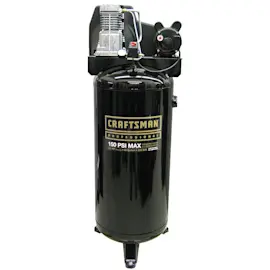
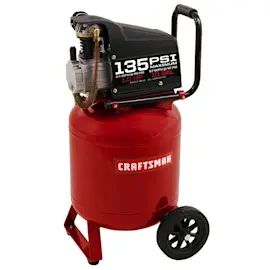
Yes, a 20-gallon air compressor is big enough for many common air tools used intermittently (nailers, inflators, blow guns, light impact use), but it can struggle with high-demand tools that need steady airflow. For your Craftsman 919166330, match the tool’s required SCFM and pressure to what the compressor can supply and keep regulator pressure within the tool rating (see the owner's manual).
What “big enough” really depends on
Tank size is only the air reserve; the pump’s airflow (SCFM) determines whether you can run a tool continuously.
- Intermittent tools (short bursts) usually work well on 20 gallons
- Continuous-use tools often outrun the pump and force frequent recovery cycles
- Pressure setting matters; the regulator outlet must never exceed the tool’s max pressure rating
- Moisture control matters for painting; use filtration where applicable
Quick tool fit guide (typical)
| Tool type | 20-gallon tank fit | What to watch for |
|---|---|---|
| Brad/finish nailer, stapler | Good | Regulator set to tool spec |
| Tire inflator, blow gun | Good | Drain moisture from tank |
| Impact wrench (light to moderate) | Usually OK | Recovery time between bursts |
| HVLP/paint spraying | Sometimes | Moisture filter, steady airflow |
| Die grinder, DA sander, sandblaster | Often not enough | High continuous SCFM demand |
How we recommend sizing it correctly
- Find your tool’s SCFM requirement at the PSI you plan to run.
- Compare it to the compressor’s delivered air (SCFM). If the tool requires more, you need a larger compressor for that job.
- Set the regulator so outlet pressure stays at or below the tool rating.
- Check the tool label/manual for max PSI and SCFM
- Use the regulator to control outlet pressure (never exceed tool rating)
- If your unit did not come with a regulator, install one before using lower-pressure accessories
- Use an air filter/moisture separator when the application calls for clean, dry air
Why it matters
Oversizing prevents constant cycling, overheating, pressure drop at the tool, and poor results (especially with sanding and spraying). Proper regulator settings also reduce the risk of bursting hoses or damaging accessories.
For more troubleshooting and sizing-related symptoms, see air compressor common questions.
Last updated: February 2026
Is it worth it to repair a compressor?
Repairing a Craftsman 919166330 air compressor is worth it when the problem is a normal wear item (like a pressure switch, check valve, or leaking fitting) and the tank is sound; it is not worth repairing if the air tank is leaking because the tank must be replaced, not repaired.
Quick decision checklist
- Repair it if it will not start, will not build pressure, or leaks at fittings or valves.
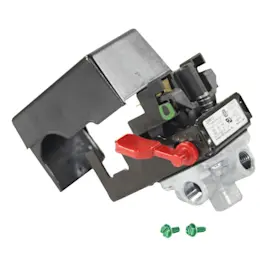
- Repair it if the pressure switch will not shut off the motor (common failure).
- Repair it if the check valve or pressure switch release valve is leaking.
- Do not repair the tank if the air tank or tank welds leak; replace the tank.
- Pause repairs if the motor trips the thermal overload often; correct the power/voltage issue first.
What the manual says (and why it matters)
The owner's manual warns that a defective safety valve or over-pressurization can lead to a tank rupture; it also states that if the air tank or tank welds leak, the tank must be replaced and should not be drilled, welded, or modified. That single point usually decides whether repair makes sense.
Common repair scenarios and typical effort
| Symptom | Most likely cause | Typical fix |
|---|---|---|
| Safety valve pops | Pressure switch not cutting out | Replace pressure switch; verify cut-out setting |
| Constant hiss at pressure release valve when off | Defective/dirty check valve | Clean or replace check valve |
| Air leak at fittings | Loose tube fitting | Tighten carefully; confirm with soapy water |
| Motor shuts off, then restarts later | Thermal overload tripping | Let cool; check for low voltage/extension cord issues |
Cost and value guidance
We consider repair a good value when:
- The tank is solid and you only need 1 to 2 common parts.
- The compressor reaches cut-out pressure and holds it without rapid cycling.
- The unit meets your current air demand (PSI and CFM) without running constantly.
If you are troubleshooting a no-start or pressure problem, use air compressor won't start as a fast diagnostic path.
Last updated: February 2026
What is the average lifespan of an air compressor?
Most homeowner-style air compressors last about 5 to 10 years with normal DIY use and basic maintenance. A Craftsman air compressor like model 919166330 can stay reliable longer when you keep the intake air clean, drain moisture from the tank, and fix small air leaks early (see the maintenance section in the owner's manual).
Typical lifespan by compressor type
Lifespan depends most on duty cycle (how long it runs), heat, and how clean and dry the air system stays.
- DIY oil-free piston (portable): 5 to 10 years
- Prosumer/heavier piston (better cooling, lower RPM): 8 to 15 years
- Rotary screw (shop/industrial): 10 to 20 years
| What you do | What it affects | What you’ll notice if it’s shortening life |
|---|---|---|
| Drain tank moisture regularly | Tank corrosion, valve life | Rusty drain, water at tools |
| Keep the air filter clean | Pump wear, run time | Slow fill, hotter running |
| Fix leaks quickly | Motor and pump run hours | Frequent cycling, longer run time |
| Don’t exceed duty cycle | Motor and pump overheating | Thermal trips, hard starting |
Signs it’s nearing end of life
These symptoms usually mean the pump or controls are wearing out and repairs may be needed.
- Takes much longer to build tank pressure than it used to
- Won’t build tank pressure to normal cut-out
- Starts hard, trips a breaker, or won’t restart after stopping
- Constant air leaks at fittings, regulator, or check valve area
- Safety valve pops open during normal operation
A good next step is to follow the troubleshooting flow in air compressor won't build tank pressure if output is dropping.
Why it matters
Air compressors fail gradually; extra run time from leaks, restricted airflow, or moisture in the tank adds heat and wear. Staying on top of filter checks, valve inspections, and draining the tank helps you get the full expected lifespan from an oil-free unit like this one.
Last updated: February 2026
What is the most common cause of air compressor failure?
The most common cause of air compressor failure is preventable wear from poor maintenance, especially restricted airflow and air leaks that make the pump and motor work harder and overheat. On the Craftsman 919166330, the troubleshooting guide focuses on intake restriction, leaking fittings, and check valve problems as frequent root causes.
What fails most often (and why)
These issues show up repeatedly because they increase run time, heat, and cycling, which accelerates wear on the motor, pressure switch, and pump components:
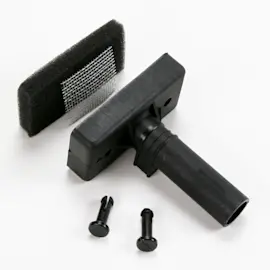
- Restricted air intake filter: starves the pump of air and reduces output.
- Air leaks at fittings or hoses: causes constant running and heat buildup.
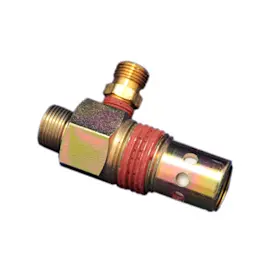
- Dirty or defective check valve: can leak constantly at the pressure switch release valve.
- Pressure switch problems: can fail to shut off at cut-out pressure (unsafe overpressure risk).
- Regulator internal wear or contamination: can cause continuous leaking at the outlet.
Quick symptom-to-cause guide
| What you notice | Most likely cause | What to do first |
|---|---|---|
| Won’t build tank pressure | Intake restriction, leaks, check valve restriction | Check filter, listen for leaks, inspect check valve |
| Constant hiss when unit is off | Check valve leaking into release valve | Clean or replace check valve |
| Safety valve pops | Pressure switch not shutting off, cut-out set too high | Turn OFF; do not run until corrected |
| Pressure drops when using a tool | Regulator needs adjustment under flow | Adjust regulator while tool is running |
Maintenance habits that prevent failures
We recommend these basics for most Craftsman air compressors:
- Keep the unit in a clean, dry location and protect the power cord and air hose from damage.
- Check for leaks with a soapy water solution at fittings (tighten, but do not overtighten).
- Keep the intake area clear so the compressor can cool properly.
- Bleed tank pressure before service and follow the safety steps in the owner's manual.
Why it matters
Air leaks and restricted airflow do not just reduce SCFM; they drive longer run times and higher temperatures, which is what turns a small issue (like a loose fitting) into a motor, pressure switch, or pump failure.
Last updated: February 2026