Owner’s manual



Should I use 40 1 or 50 1 fuel for a chainsaw?
For the Craftsman 358354871 gas chainsaw, we use the fuel mixture specified in the owner's manual. This saw uses regular gasoline mixed with high-quality 2-cycle, air-cooled engine oil; the correct gas-to-oil ratio matters because too little oil can overheat and damage the engine, and too much oil can foul the spark plug.
How to choose between 40:1 and 50:1
Use the ratio listed for your exact model. If you are deciding between 40:1 and 50:1, the key difference is lubrication:
- 40:1 has more oil per gallon of gas (richer lubrication)
- 50:1 has less oil per gallon of gas (leaner lubrication)
- Too much oil can cause smoke, carbon buildup, and spark plug fouling
- Too little oil can cause overheating and rapid internal wear
- Always mix fuel in a separate approved container and shake thoroughly before filling
Quick mix amounts (common reference)
These amounts help you measure accurately once you confirm the ratio you need.
| Mix ratio | Oil per 1 gallon gas | Oil per 2.5 gallons gas |
|---|---|---|
| 40:1 | 3.2 oz | 8.0 oz |
| 50:1 | 2.6 oz | 6.4 oz |
Fuel freshness and handling tips (important for this model)
The manual guidance for this Craftsman saw emphasizes fuel quality and safe fueling practices:
- Use clean, fresh gasoline; don’t use gas older than about 2 months
- Wipe up spills and let the saw dry before starting
- Start the saw at least 10 feet away from the fueling area
- If the saw starts hard after storage, drain old mix and refill with fresh mix
Why it matters
A 2-cycle engine depends on the oil in the fuel for lubrication. Running the wrong ratio can shorten engine life quickly, and it can also create symptoms that look like carburetor trouble (poor idle, bogging, plug fouling) when the real issue is the mix.
Last updated: February 2026
How to look up chainsaw serial number?
For Craftsman chainsaw model 358354871, we find the serial number on the starting instruction decal; record it and keep it with your model number for parts lookup and service reference. The 358354871 owner's manual shows where these numbers are located.
Where to find the serial number on this model
On this Craftsman 358354871 gas chainsaw, check these spots first:
- Starting instruction decal (this is the primary location for the serial number)
- Under the handle (the manual notes the model number is found here with the serial number)
- On the saw body where decals are placed, not on removable covers
How to use the serial number (and when it matters)
The serial number helps identify production details; the model number is what you use most often to match diagrams and order parts.
- Use the model number 358354871 to browse the correct parts list and diagrams
- Use the serial number when you are matching decals, revisions, or service history
- Keep both numbers written down before decals wear or get oil-soaked
Quick reference
| What you need | What it’s used for | Where to find it |
|---|---|---|
| Model number (358354871) | Correct parts diagrams and part compatibility | Under the handle (with serial number) |
| Serial number | Production identification and service reference | Starting instruction decal |
Tips if the decal is hard to read
If the starting instruction decal is faded or dirty:
- Wipe the area with a rag and a small amount of degreaser, then dry it
- Use a flashlight at a low angle to make stamped or printed characters stand out
- Take a close-up photo and zoom in to read worn digits
- Write the number down immediately once you can read it
Why it matters
Chainsaw parts like fuel system and starter components can vary by production run; having the serial number recorded helps you confirm you are referencing the right configuration while you use the model-based parts diagrams.
Last updated: February 2026
Where is the model number on a chainsaw?
On the Craftsman chainsaw model 358354871, the model and serial numbers are printed on the starting instruction decal; on many units you can also find that information under the handle. Use the model number when looking up parts and the serial number for identification in your records (see the owner's manual).
Common places to check on a chainsaw
Look for a paper decal or metal tag in these spots:
- Starting instruction decal (often on the saw body where you see operating or starting steps)
- Under the top handle or rear handle area
- Near the starter housing or recoil cover
- On the crankcase or engine housing area
- Near the bar and chain side cover (less common)
How to confirm you found the right number
Chainsaws often have several numbers (bar length, engine size, casting numbers). For parts, you want the model number.
| What you see | What it’s used for | Example for this saw |
|---|---|---|
| Model number | Matching the correct parts diagrams and parts list | 358354871 |
| Serial number | Identifying your specific unit for your records | Varies by unit |
| Part number / part ID | Ordering a specific replacement part | 530069216 (part ID) |
Why it matters for parts and repairs
Using the exact model number helps us match the correct illustrated parts breakdown, so you get the right fit for items like fuel system parts, starter parts, and bar adjustment hardware.
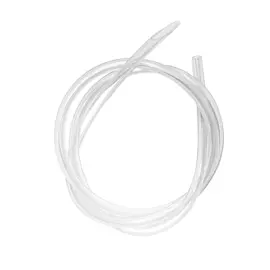
If you are ordering a common wear item, match it to your model’s parts list first; for example, the fuel line 530069216 is a frequent replacement when a saw won’t stay running or fuel lines look cracked.
Last updated: February 2026
Can I scrap a chainsaw?
Yes. You can scrap a Craftsman 358354871 gas chainsaw, and most scrap yards accept it as mixed scrap metal once you remove fluids and separate non-metal pieces. Prep it safely first because the chain and bar stay sharp even when the engine is off; follow the storage and handling steps in the owner's manual.
How to prep a chainsaw for scrapping (safe, typical steps)
- Let the saw cool completely; keep it away from sparks or open flames.
- Drain the fuel tank; then start the engine and let it idle until it stops to clear most fuel from the fuel system.
- Drain the bar and chain oil tank.
- Remove the bar and chain; clean and dry them (wear protective gloves).
- Wipe off heavy oil and sawdust so the scrap yard can handle it cleanly.
- Separate obvious non-metal parts (plastic covers, rubber mounts) if your scrap yard requests it.
What parts are usually recyclable vs. not
| Item | Usually accepted as scrap metal? | Notes |
|---|---|---|
| Engine housing, crankcase, fasteners | Yes | Often counted as mixed metal scrap. |
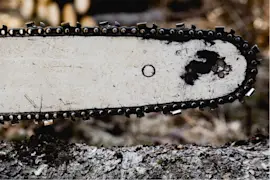
| Guide bar and chain | Yes | Handle carefully; sharp edges. |
| Fuel lines, plastic covers | Sometimes | Many yards treat these as non-metal; remove if asked. |
| Fluids (gas mix, bar oil) | No | Dispose of fluids properly; do not pour out on the ground. |
Why it matters
Scrapping a chainsaw is mostly about safety and cleanliness. Draining fuel and oil reduces fire risk, and removing the bar and chain helps prevent cuts while transporting and handling the saw.
Last updated: February 2026