Owner’s manual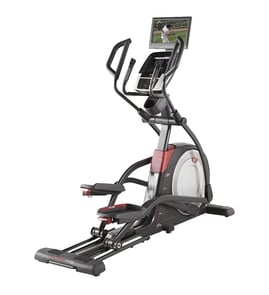



How much is the AFG 4 elliptical?
Pricing for the Afg elliptical machine model 4 varies by condition (new vs. used), included accessories, and local availability. When it was sold new, this model was commonly listed around the mid-$1,000 range; check the owner's manual to confirm the exact model identification before shopping.
Typical price ranges you’ll see
Because this is an older fitness machine, most shoppers compare used-market pricing more than original MSRP.
- Used, working condition: commonly a few hundred dollars
- Used, needs repair: often priced low enough to justify parts and labor
- Refurbished (if available): typically higher than standard used listings
- Local pickup vs. shipped: shipping can add a large cost due to size and weight
Quick checklist before you pay
Use these checks to avoid overpaying for a unit that needs major repairs.
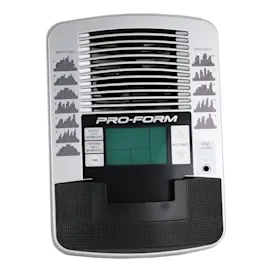
- Console powers on and buttons respond
- Resistance changes smoothly through multiple levels
- Pedals and crank feel smooth (no grinding or wobble)
- Frame is stable (no rocking, cracks, or loose welds)
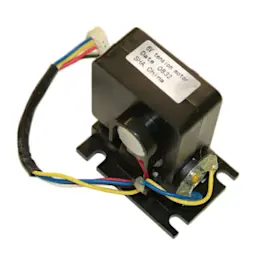
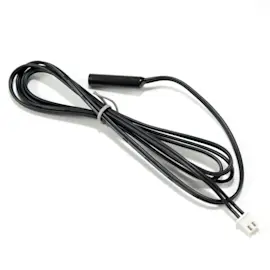
- Wiring harness and connectors look intact (no pinched or cut wires)
What affects the price most
| Factor | Usually increases price | Usually decreases price |
|---|---|---|
| Condition | Quiet operation, smooth stride | Noise, wobble, grinding |
| Electronics | Display and resistance fully work | Dead console, intermittent buttons |
| Wear items | Newer pedals, tight hardware | Worn bushings, loose joints |
| Logistics | Local pickup | Freight shipping needed |
Why it matters
Ellipticals can look fine but hide wear in the drive system, joints, and wiring. A lower purchase price is only a good deal if the machine does not immediately need a console, resistance components, or major mechanical service.
Last updated: February 2026
Which is better for losing belly fat, a treadmill or an elliptical?
For losing belly fat, neither a treadmill nor an elliptical “targets” belly fat; fat loss happens overall. A treadmill often produces a higher calorie burn at the same perceived effort (especially with incline), while an Afg elliptical like model 4 is typically easier on joints, which helps you stay consistent.
What to choose (quick decision guide)
- Choose a treadmill if you can walk or run comfortably and want easy ways to increase intensity (speed, incline).
- Choose an elliptical if you need lower-impact cardio, want to use arms + legs, or you are managing knee, hip, or back irritation.
- Pick the machine you will use 4 to 6 days per week; consistency beats small calorie differences.
- Add strength training 2 to 3 days per week; more muscle supports higher daily calorie burn.
- Use intervals (hard/easy repeats) on either machine to improve conditioning efficiently.
Treadmill vs elliptical: practical comparison
| Factor | Treadmill | Elliptical |
|---|---|---|
| Impact on joints | Higher | Lower |
| Calorie burn potential | Often higher with incline or running | Strong, especially with resistance and arm drive |
| Muscle emphasis | Legs, glutes (incline increases glutes) | Legs plus upper body (moving handles) |
| Best for | Walk/run training, incline work | Low-impact conditioning, steady-state cardio |
Workouts that work on either machine
- Incline walk or resistance climb: 25 to 45 minutes at a pace you can sustain.
- Intervals: 1 minute hard, 2 minutes easy; repeat 6 to 10 times.
- Progression: add 5 minutes per week or a small bump in incline/resistance.
Why it matters
“Belly fat” responds best to a steady calorie deficit plus consistent training. The right choice is the machine that lets you train hard enough, often enough, without pain or burnout. For setup, console use, and safe operating limits on your Afg elliptical, follow the owner's manual.
Last updated: February 2026
What is the average lifespan of 4?
An Afg elliptical machine like model 4 typically lasts 7 to 12 years with regular home use and basic maintenance. Lifespan depends most on how many hours per week you use it, user weight, and how well you keep the drive system and fasteners tightened.
Typical lifespan by usage
| Usage pattern | What “normal” looks like | Typical lifespan |
|---|---|---|
| Light | 1 to 3 workouts/week | 10 to 12 years |
| Moderate | 4 to 6 workouts/week | 8 to 10 years |
| Heavy | Daily use or multiple users | 7 to 9 years |
What wears out first (and what to watch for)
- Drive belt and pulleys: slipping, squealing, or uneven resistance
- Crank/arm bushings and bearings: clicking, grinding, side-to-side play
- Pedals and rollers: wobble, flat spots, rough glide
- Console and wiring: intermittent display, resistance buttons not responding
- Frame hardware: recurring loosening, creaks that return after tightening
Maintenance that extends life
- Tighten frame and handlebar fasteners on a schedule (especially after moving the unit).
- Keep the machine level; an unlevel base accelerates bushing and roller wear.
- Vacuum dust from the flywheel area and moving joints; dust acts like abrasive grit.
- Use only the lubricant type and intervals specified in the [owner's manual].
- Address new noises early; running through clicks and grinds usually turns a small wear item into a larger repair.
Why it matters
Most “end of life” complaints on ellipticals are really wear and looseness that build up over time. Catching belt slip, bearing noise, or loose hardware early keeps resistance consistent, reduces strain on the flywheel system, and helps the machine feel stable and safe.
Last updated: March 2026