Owner’s manual
 Error Codes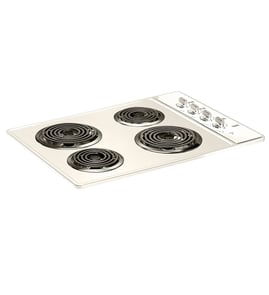



Can an electric cooktop be repaired?
Yes. The Jenn-Air JEC6277AAB10 electric cooktop is repairable in most common failure situations, such as a burner that will not heat, inconsistent heating, or damaged wiring connections. The right repair depends on the symptom, but many fixes involve replacing a surface element or electrical connection parts.
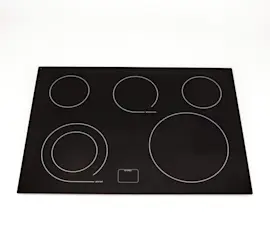
These are the issues we see most often with electric glass-ceramic cooktops like the JEC6277AAB10:
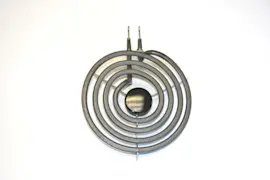
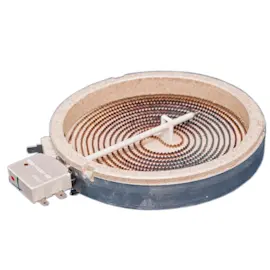
- One surface element will not heat or heats unevenly (often a failed surface element)
- Intermittent heating (often a loose or overheated electrical connection)
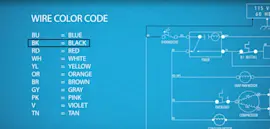
- Visible heat damage to wiring or terminals (wire harness or connector issues)
- Cooktop seems weak or slow to boil (cookware, control setting, or low supply voltage)
- Scratches, metal marks, or discoloration (cleaning and cookware habits)
For model-specific operating and safety guidance, use the JEC6277AAB10 owner's manual.
Use this as a practical way to narrow down what typically gets replaced.
| Symptom | Common cause | Parts to check first |
|---|---|---|
| One burner dead | Failed radiant element | Surface element, wiring connections |
| Works sometimes | Loose/burned terminal | Connector, wire harness |
| Smell/smoke with normal use | New cooktop residue or spill on hot zone | Cleaning, cookware fit |
| Not hot enough | Low voltage or incorrect cookware | Power supply, flat-bottom pan |
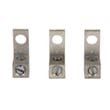
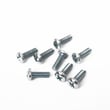
If you find a heat-damaged terminal, a replacement like the connector WPW10281322 is often used to restore a safe, tight electrical connection.
A glass-ceramic cooktop can be repaired, but some conditions require stopping use immediately:
- Do not cook on a broken glass-ceramic top (spillovers can create an electric shock risk)
- Do not leave surface units unattended on high heat (boilovers and grease can ignite)
- Avoid touching elements or nearby areas after use (they can stay hot even when dark)
These safety points are covered in the JEC6277AAB10 owner's manual.
Correct diagnosis prevents repeat failures. For example, replacing a surface element without fixing a loose connector can cause overheating, intermittent operation, and damage to the wire harness.
Last updated: January 2026
How long do Jenn Air cooktops last?
Jenn-Air electric cooktops like model JEC6277AAB10 typically last 10 to 15 years with normal household use. Regular cleaning, avoiding boilovers that bake onto the surface, and addressing heating or control issues early helps you reach the full service life.
Most cooktops reach the 10 to 15 year range when these conditions are in place:
- The glass surface is cleaned after use so soils do not repeatedly cook on
- Pans are sized correctly and not dragged across the surface
- Controls are protected from spills and moisture
- Heating elements cycle normally (no overheating, dead zones, or slow heat-up)
- Wiring connections stay tight and undamaged
The JEC6277AAB10 use and care guidance emphasizes cleaning and safe use practices. For day-to-day upkeep:
- Wipe the cooktop after each use with a damp paper towel and cooktop cleaner
- For heavy soils, use a damp “scratchless” pad and let cleaner dwell before scrubbing
- Use a razor blade scraper at a shallow angle for stubborn, burned-on residue (after cooling)
- Lock the touchpad controls during cleaning to prevent unwanted activation
For model-specific cleaning steps and control lock instructions, follow the JEC6277AAB10 use and care guide.
If the cooktop is within the typical lifespan, repairing common wear items is often worthwhile.
| Symptom | Common direction | Parts that may be involved |
|---|---|---|
| One element will not heat | Check element and connections | Surface element, connector |
| Intermittent heat | Inspect wiring and terminals | Wire harness, connector |
| Loose or unstable element | Check mounting/support | Range surface element support, bracket |
If you are replacing a burned or loose terminal connection, use the correct high-heat connector such as the connector WPW10281322 when it matches your wiring location.
A cooktop that is kept clean and electrically sound runs cooler at connections, cycles more consistently, and avoids damage from baked-on spills. That directly reduces premature failures in surface elements, wiring, and control components.
Last updated: January 2026
What is the best electric cooktop on the market?
The “best” electric cooktop depends on how you cook and what you value most: fastest boil times and precise control (induction), or lower cost and broad cookware compatibility (radiant smooth-top). If you already own the Jenn-Air JEC6277AAB10, your best results come from using the right pan size and safe operating practices in the JEC6277AAB10 use and care guide.
- Induction cooktops: fastest heating, excellent simmer control, cooler-to-touch surface; requires magnetic cookware.
- Radiant smooth-top (glass-ceramic): widely available, typically lower cost; works with most flat-bottom cookware.
- Coil electric (if you are comparing): usually lowest purchase price; harder to clean.
| Feature | Induction | Radiant smooth-top (glass-ceramic) |
|---|---|---|
| Speed | Fastest | Medium |
| Control | Very precise | Good |
| Cookware | Magnetic only | Most flat-bottom pans |
| Cleaning | Easy | Easy, but spills can bake on |
| Efficiency | High | Medium |
Focus on features that improve everyday cooking, not just extra tech.
- Element size flexibility (multiple element diameters)
- Bridge element (useful for griddles on some models)
- Low simmer performance (stable low heat)
- Controls you like (knobs vs. touch controls)
- Safety and durability (especially for glass-ceramic tops)
Even if you are shopping, it helps to know what makes an electric cooktop perform well in real kitchens.
- Match pan size to the element so the element is covered for better efficiency.
- Use flat-bottom cookware for consistent contact and heating.
- Turn handles inward to reduce spill and burn risk.
- Never leave high heat unattended; boilovers and grease can ignite.
- Never cook on a broken glass-ceramic surface; it can create an electric shock risk.
Choosing the right cooktop type and features affects boil time, simmer stability, cleaning effort, and safety. For glass-ceramic electric cooktops, correct pan sizing and careful use also help protect the surface and heating elements over time.
Last updated: January 2026
Why is my Jenn Air stove top burner not working?
On the Jenn-Air JEC6277AAB10 electric cooktop, a burner usually stops heating because the surface element is failing, the element connection is loose or burned, or the cooktop is not getting full power from the house circuit. Start with power and connection checks, then inspect the element and wiring.
- Confirm the cooktop has power: check the breaker for a tripped 240V double-pole circuit.
- Try a different burner: if none heat, the issue is typically power supply, wiring, or a control.
- If only one burner fails, the issue is typically that burner’s surface element or its connection.
- Let the cooktop cool completely before touching any parts; heating elements can stay hot even when dark.
- Review the safety and troubleshooting guidance in the JEC6277AAB10 owner's manual.
If you are comfortable doing a visual inspection (with power OFF at the breaker), check these common failure points:
- Surface element: look for blistering, cracks, or obvious burn marks.
- Element terminals and connector: look for discoloration, melted plastic, or loose fit.
- Wire harness: look for overheated wires, brittle insulation, or loose spade terminals.
- Element support/bracket: a shifted or damaged support can stress wiring and terminals.
| What you notice | Most likely cause | What usually fixes it |
|---|---|---|
| One burner never heats | Failed surface element or burned connection | Replace the element or repair the connection |
| Burner heats intermittently | Loose terminal, failing element, or heat-damaged connector | Tighten/repair connection; replace damaged parts |
| No burners heat | Power supply issue (breaker, wiring) or internal wiring problem | Restore power; inspect wiring; service as needed |
These parts are commonly replaced when a burner will not heat on this model:
- Connector WPW10281322 (used at electrical connections where heat damage or looseness can stop current flow)
If your inspection shows heat damage in the wiring, also check the cooktop wire harness and the affected surface element for your exact burner position.
A burner that is not heating is often an electrical connection problem that can worsen with heat. Addressing a loose or heat-damaged connector early helps prevent repeated failures and reduces the chance of further wiring damage.
Last updated: January 2026