Error Codes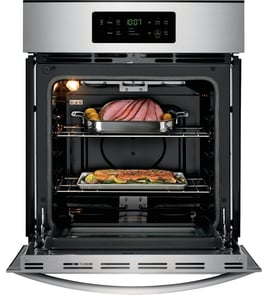


Does a wall oven need a special outlet?
Yes. A built-in electric wall oven like model W246W typically needs a dedicated 240-volt circuit and a hardwired junction box or a properly rated receptacle; it is not the same as a standard 120-volt kitchen outlet.
What “special” usually means for an electric wall oven
Most electric wall ovens require:
- A dedicated 240V branch circuit (not shared with other appliances)
- The correct amperage for the oven’s rating (commonly 30A to 50A)
- Proper wiring size and a correctly sized breaker
- A connection method that matches the oven design (often hardwired rather than a plug)
Quick checklist before installation
- Confirm your home has a 240V supply available at the cabinet cutout.
- Verify the breaker size and wire gauge match the oven’s electrical rating.
- Make sure the connection point is accessible after the oven is installed.
- If your existing wiring is aluminum, damaged, or undersized, have it corrected.
- Use a qualified installer or electrician for final hookup and testing.
Hardwired vs. plug-in: what’s more common?
| Connection type | Typical for wall ovens | What it implies |
|---|---|---|
| Hardwired junction box | Very common | No “outlet” visible; oven wires connect in a box |
| 240V receptacle and cord | Less common | Requires a properly rated 240V outlet and cord set |
Why it matters
Using the wrong outlet or an undersized circuit can cause nuisance breaker trips, slow preheat, overheating at the connection point, or damage to wiring. A dedicated, correctly rated 240V supply helps the oven heat consistently and operate safely.
Related parts you might replace during a door heat-leak issue
If you are troubleshooting heat escaping around the door (often mistaken for an electrical problem), a worn door gasket is a common cause. For this model, see the oven seal WP701650.
Last updated: February 2026
What are the parts of an electric oven?
An electric wall oven like model W246W is built around heating, airflow, and safety components: bake and broil heating elements, temperature sensing and controls, door and insulation parts, and (on some models) convection fan hardware. These parts work together to heat evenly and hold temperature.
Core parts you will find in most electric ovens
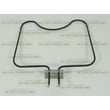
- Bake element (bottom heat source); for this model, see the bake element WPY04100020
- Broil element (top heat source)
- Oven temperature sensor (tells the control how hot the cavity is)
- Electronic control or thermostat (regulates temperature and cooking modes)
- Oven door gasket/seal (keeps heat in); for this model, see the oven seal WP701650
- Oven light and lens/cover (illumination and heat shielding)
Common supporting parts (often replaced during repairs)
These are smaller items, but they matter for fit, safety, and reliability:
- Mounting screws and washers (panel, door, hinge, and trim fasteners)
- Door hinge hardware and retainers
- Indicator lights (status and heating indicators)
- Meat probe (if equipped)
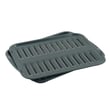
- Broil pan/insert (catches drippings during broiling)
Quick “what it does” guide
| Part | What it does | Common symptom when failing |
|---|---|---|
| Bake element | Primary baking heat | Oven will not heat or heats unevenly |
| Broil element | High top heat for broiling | No broil, weak browning |
| Oven seal | Reduces heat loss | Long preheat, poor temperature stability |
| Control/sensor | Maintains set temperature | Overheats, underheats, temperature swings |
Why it matters
Knowing the major oven parts helps us troubleshoot faster. For example, “won’t bake” often points to the bake element or control circuit, while “takes too long to preheat” can be a worn door seal or a weak heating element.
Last updated: February 2026
What is the best brand for electric wall ovens?
The best brand for an electric wall oven is the one that matches your cooking needs, service support, and budget; for most shoppers, Bosch, GE, Café, Thermador, and Jenn-Air are consistently strong choices. If you already own a Jenn-Air W246W, prioritizing fit, features, and long-term parts support matters most.
How we recommend choosing a “best” wall oven brand
- Reliability and service network: easier access to qualified service and parts.
- Cooking performance: even baking, strong broil, and stable temperature control.
- Features you will actually use: convection, probe cooking, self-clean options.
- Installation fit: cabinet cutout compatibility and electrical requirements.
- Parts availability: common wear items should be easy to source.
Brand comparison (quick guide)
| Brand | Best for | Typical strengths | Watch-outs |
|---|---|---|---|
| Bosch | Quiet, refined cooking | Even baking, solid build | Premium pricing |
| GE | Value and features | Wide service coverage, smart options | Feature sets vary by series |
| Café | Design-forward kitchens | Style plus strong feature mix | Higher cost for aesthetics |
| Thermador | High-end performance | Powerful broil, luxury features | Expensive repairs/parts |
| Jenn-Air | Premium cooking | Strong feature sets, upscale styling | Model-to-model variation |
If you are comparing against your Jenn-Air W246W
Even if you switch brands, compare these practical items first because they affect day-to-day results and ownership cost.
- Door sealing and heat retention: a worn gasket can cause temperature swings; consider the oven seal WP701650 if you see heat escaping.
- Broiling setup: check pan and insert condition for safer broiling; the broiler insert 4396923 is a common replacement.
- Bake performance: slow preheat or uneven baking can point to a heating issue; the bake element WPY04100020 is a key component.
Why it matters
“Best brand” is less important than consistent temperature control, a correct cabinet fit, and dependable parts support. Those factors determine whether your wall oven bakes evenly, preheats on time, and stays economical to maintain.
Last updated: February 2026