Owner’s manual

What is the life expectancy of a Craftsman garage door opener?
A Craftsman garage door opener typically lasts 10 to 15 years with normal residential use. For your Craftsman 13953916D, consistent maintenance and correct force and safety-sensor setup are what most often determine whether you reach the high end of that range (see the 13953916D owner's manual).
What affects lifespan the most
- Cycles per day: multiple open/close cycles daily shortens motor and gear life.
- Door condition: a heavy or binding door overloads the opener.
- Force and travel settings: excessive force increases wear and can cause nuisance reversals.
- Safety reversing sensors alignment: misalignment causes repeated stops and reversals.
- Maintenance: periodic checks prevent small issues from becoming major failures.
Maintenance checklist (best ROI)
- Test the safety reversal system and Protector System® regularly.
- Confirm the door moves smoothly by hand; fix sticking, dragging, or imbalance.
- Inspect the rail, chain/belt area, and mounting hardware for looseness or vibration.
- Keep photo-eye lenses clean and verify both sensor LEDs indicate proper alignment.
- Recheck force adjustments after any door repair or seasonal changes.
Quick “replace vs. repair” guide
| What you notice | Most likely cause | What we recommend |
|---|---|---|
| Opener runs but door barely moves | Worn drive gear, slipping drive, or door binding | Check door balance first; then inspect drive components |
| Door reverses or won’t close | Sensor alignment/obstruction, force setting | Clean/align sensors; verify force settings |
| Intermittent operation | Wall control, wiring, interference | Follow the troubleshooting and diagnostic chart in the manual |
| Loud grinding or popping | Gear wear or loose hardware | Tighten hardware; inspect drive system for wear |
Why it matters
A garage door opener is designed to move a properly balanced door. When the door is out of balance or the force is set too high, the opener works harder every cycle, which shortens the life of the motor, gears, and electronics.
Last updated: February 2026
Should I get 1/2 hp or 3/4 hp garage door opener?
For most homes, a 1/2 HP garage door opener is the right choice for a properly balanced single or double door; choose 3/4 HP when the door is heavier (wood, insulated, oversized) or used very frequently. Your Craftsman 13953916D is a 1/2 HP opener, which is designed for typical residential doors.
Quick rule of thumb (how to choose)
- Pick 1/2 HP for standard steel or aluminum doors that lift smoothly by hand.
- Pick 3/4 HP for heavier doors (solid wood, thick insulation, carriage-house style) or doors that feel “hard to lift.”
- Pick 3/4 HP if the door is a wide double door and you run many open/close cycles daily.
- Do not use horsepower to compensate for a bad door; fix balance, rollers, hinges, and springs first.
- Match the opener to the door condition; a properly balanced door protects the motor, gears, and rail system.
What your model tells us
The Craftsman 13953916D is labeled 1/2 HP in the 13953916D owner's manual. That rating fits the most common residential setup when the garage door is correctly balanced and lubricated.
How to decide using your door (simple checks)
- Manual lift test: With the door closed, pull the emergency release and lift the door by hand. It should lift smoothly and stay about halfway open.
- Door type check: If it is solid wood or heavily insulated, step up to 3/4 HP.
- Usage check: If you open and close the door many times per day, 3/4 HP reduces strain and tends to run cooler.
Typical fit guide
| Door situation | Best choice | Why |
|---|---|---|
| Standard single door, light to moderate weight | 1/2 HP | Plenty of pulling power for normal residential use |
| Standard double door, well-balanced | 1/2 HP (often) | Works well when springs and rollers are in good shape |
| Heavy wood or heavily insulated door | 3/4 HP | More torque for smooth starts and fewer stalls |
| Door feels heavy, jerky, or won’t stay halfway | Fix door first | Opener force adjustments are not a substitute for balance |
Why it matters
Choosing the right horsepower helps the opener run smoothly and protects high-wear components (motor, drive gear, sprocket, and travel system). A door that is out of balance can prevent proper reversing and can create safety issues, so we always prioritize door balance and safety checks.
For troubleshooting symptoms that look like “not enough power” (lights blinking, travel issues, sensor-related stops), use our Craftsman error codes guide alongside the manual.
Last updated: February 2026
Where can I buy Craftsman garage door opener parts?
You can buy replacement parts and accessories for your Craftsman garage door opener model 13953916D through Sears PartsDirect by using the model-based parts listing and diagrams to match the exact component you need. For part identification and accessory details, use the 13953916D owner's manual.
Best way to find the right part for model 13953916D
Use these steps so you order the correct item the first time:
- Look up your opener by model number 13953916D (from the motor unit label).
- Use the parts diagrams to locate the exact assembly (rail, motor unit, installation hardware).
- Cross-check the part name and reference number against the repair parts section in the manual.
- If you are shopping for add-ons (remote, keypad, wall control), confirm compatibility in the accessories section.
- If your opener is showing diagnostic flashes or beeps, identify the code first, then shop the related parts.
Common parts and accessories people replace
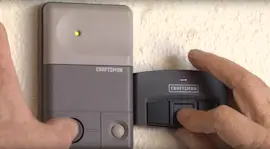
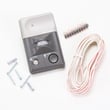
The 13953916D manual calls out several frequently purchased accessories and service items, including keyless entry, remotes, control consoles, brackets, and safety sensor related hardware.
| What you need | What it does | Where to confirm fit |
|---|---|---|
| Remote control | Opens/closes the door from your car | Manual accessories section |
| Keyless entry keypad | Lets you enter a PIN outside the garage | Manual programming section |
| Safety reversing sensors | Prevents closing on an obstruction | Manual safety sensor section |
| Rail and trolley parts | Transfers motor motion to the door | Manual repair parts diagrams |
If you’re troubleshooting first (before buying parts)
Buying the right part starts with the right diagnosis. If your Craftsman opener is blinking lights or giving an error pattern, use Craftsman error codes to narrow the failure to sensors, travel, force settings, or control electronics.
Why it matters
Garage door opener parts are highly model-specific. Matching parts to Craftsman 13953916D prevents ordering a remote, keypad, sensor, or rail component that looks similar but will not program correctly or mount properly.
Last updated: February 2026
Is it worth repairing a 20 year old garage door opener?
For a 20-year-old Craftsman garage door opener like model 13953916D, repair is only worth it for small, low-cost issues; for major failures (motor, logic board, stripped gears), replacement is the better long-term value because most openers are built for a 10 to 15 year service life.
Quick decision guide
- Repair if the door is mechanically sound and the problem is simple (sensor alignment, remote programming, force/limit adjustment).
- Replace if the opener is unreliable, noisy, or needs major internal parts (motor, gear kit, circuit board).
- Replace if the door will not consistently reverse during safety testing.
- Repair if you can restore safe operation with adjustments and basic maintenance.
- Replace if multiple symptoms show up at once (intermittent operation plus grinding plus random reversals).
What to check first on model 13953916D
Start with the items that commonly mimic “opener failure”:
- Safety sensors (Protector System): verify both sensors are aligned and unobstructed.
- Force and travel limits: incorrect settings can cause reversing or failure to close.
- Door balance: a poorly balanced door overloads the opener and causes repeat breakdowns.
- Manual release: confirm the door moves smoothly by hand (with the opener disconnected).
- Remote/wall control: reprogram or erase/relearn codes if controls act erratically.
Helpful references: owner's manual, plus our Craftsman error codes guide for diagnostic patterns.
Repair vs replace: cost and safety comparison
| Situation | Typical best choice | Why |
|---|---|---|
| Sensors misaligned, force needs adjustment, remote needs programming | Repair | Low cost, restores normal operation |
| Gear wear, motor issues, logic board problems | Replace | High parts and labor cost on an older unit |
| Door fails the reversal test (won’t reverse on a 1-1/2 in. object) | Replace (or correct door issues first) | Safety system must work consistently |
Why it matters
Your opener is designed to be safe only when it is installed, adjusted, and tested regularly. The manual calls out routine safety checks like testing the reversal system and keeping the garage door properly balanced; on an older unit, these items often determine whether a repair is truly “done” or just temporary.
Last updated: February 2026
What are the common problems with Craftsman garage door openers?
Common problems on the Craftsman 13953916D garage door opener are safety reversing sensor alignment/obstructions (door will not close and opener lights blink), remote or wall control issues (lock mode, programming), and door binding or drive wear that causes noise or no movement. Use the owner's manual for the diagnostic chart and test steps.
Most common symptoms
- Won’t close; lights blink: safety sensors misaligned, blocked, or not connected.
- Remotes won’t run opener: lock mode is on at the wall control, remote needs programming, or receiver/control issue.
- Starts down then reverses: force/travel settings need adjustment or the door is binding.
- Motor hums but door doesn’t move: trolley is disengaged or internal drive components are worn.
- Intermittent operation: loose wiring, sensor sunlight interference, or control console problems.
Quick checks we recommend first (no disassembly)
- Clear the doorway; make sure nothing breaks the sensor beam.
- Check both sensor indicator lights; clean lenses and align until both are steady.
- Try the wall control; if it works but remotes do not, reprogram the remotes.
- Turn off lock mode on the control console (a blinking console often indicates lock mode).
- Pull the emergency release and move the door by hand; it should move smoothly and stay balanced.
Troubleshooting by symptom
| Symptom | Most likely cause | Best next step |
|---|---|---|
| Won’t close; lights blink | Safety sensors | Align sensors; verify both LEDs on |
| Remotes don’t work | Lock mode or programming | Disable lock mode; reprogram remotes |
| Reverses while closing | Force/travel or binding door | Check door movement; adjust per manual |
| Hums/no movement | Disengaged trolley or worn drive | Reconnect trolley; inspect drive system |
Why it matters
Most “won’t close” complaints are safety-system related, not a bad motor. Fixing sensor alignment and door binding first prevents unnecessary parts replacement and keeps the safety reverse working correctly.
Last updated: February 2026