Owner’s manual
 Error Codes



What is the average lifespan of a Maytag refrigerator?
Most Maytag refrigerators, including the Maytag MFI2269VEM11 bottom-mount refrigerator, typically last 10 to 15 years with normal household use. With consistent maintenance (cleaning, good airflow, and tight door seals), it’s common to reach the upper end of that range.
What affects lifespan the most
A refrigerator’s life is usually determined by heat management, door sealing, and how hard the sealed system has to work.
- Keep condenser coils clean so the compressor runs cooler and less often
- Make sure doors close fully and gaskets seal all the way around
- Maintain steady temperatures (avoid frequent warm-ups from long door openings)
- Don’t overpack; airflow inside the cabinet matters
- Replace water filters on schedule to reduce dispenser and ice maker strain
Typical lifespan expectations (quick guide)
| Scenario | What we typically see | What to do |
|---|---|---|
| Basic care, average use | 10 to 15 years | Clean coils, verify temps |
| Strong maintenance habits | 15+ years | Stay on filter and seal upkeep |
| Heavy use or poor airflow | Under 10 years | Improve ventilation, reduce heat load |
Maintenance that pays off on this model
These are the most practical, high-impact steps for a Maytag bottom-mount like the MFI2269VEM11:
- Clean the condenser area (dust buildup is a top cause of overheating)
- Check the door seal for gaps, tears, or warping; replace if it won’t seal
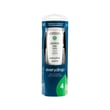
- Change the water filter regularly; use the correct filter type for fit and flow
- Listen for fan changes (new rattling or no airflow can signal a fan issue)
Helpful references:
- Use the owner's manual for your model’s cleaning intervals, temperature targets, and filter guidance.
- Follow our Maytag-specific steps in how to replace the water filter in a Maytag refrigerator.
Why it matters
Once a refrigerator starts running hot, leaking air at the doors, or struggling to maintain temperature, the compressor and fans run longer. That extra runtime is what shortens lifespan and increases the chance of a breakdown.
Last updated: February 2026
What is the advantage of a bottom mount fridge?
A bottom-mount refrigerator like the Maytag MFI2269VEM11 puts the fresh-food compartment at eye and waist level, so you reach everyday items with less bending. The freezer stays on the bottom, which is convenient if you access frozen foods less often.
Key benefits you will notice day to day
- Easier access to fresh foods (produce, dairy, leftovers) without crouching
- Better organization for frequently used items at eye level
- Less strain on your back and knees compared with top-freezer designs
- Freezer drawer can hold bulky frozen items and slide out for visibility
- Fresh-food doors open wide for loading groceries and cleaning shelves
Bottom-mount vs top-freezer: quick comparison
| Feature | Bottom-mount refrigerator | Top-freezer refrigerator |
|---|---|---|
| Fresh-food access | Higher, easier reach | Lower, more bending |
| Freezer access | Lower drawer | Upper door |
| Best for | Fresh-food heavy households | Frozen-food heavy households |
| Typical feel | More “kitchen workflow” friendly | Simple, traditional layout |
Tips to get the most from a bottom-mount layout
- Keep the most-used items on the middle shelves for fastest access.
- Use crisper drawers for produce and set humidity controls as recommended in the owner's manual.
- Avoid overpacking the freezer drawer; good airflow helps maintain steady temperatures.
- Check door closing and sealing if you notice warm spots or moisture; a worn gasket can cause temperature swings.
Why it matters
Most households open the refrigerator section far more often than the freezer. With a bottom-mount design, the compartment you use most is the easiest to reach, which improves comfort and can help reduce door-open time (supporting more stable cooling).
Last updated: February 2026
How to lower wheels on Maytag refrigerator?
On Maytag model MFI2269VEM11, you typically lower the front by turning the front leveling legs to drop the cabinet and shift weight onto the rear wheels for easier rolling. For the most accurate adjustment points and access steps, follow the MFI2269VEM11 owner's manual.
Before you start (safety and prep)
- Unplug the refrigerator or switch off power at the breaker.
- Remove the toe grille or lower kickplate (usually snaps off or uses a few screws).
- Protect the floor with cardboard or a thin plywood sheet.
- Have a wrench or adjustable wrench ready (some models use a hex head adjuster).
- Empty heavy items from the doors to reduce tipping risk.
How to lower the front (and effectively “lower the wheels”)
- With the toe grille removed, locate the front leveling legs at the lower left and right corners.
- Turn the leveling leg adjusters counterclockwise to lower the front of the refrigerator.
- Lower each side a little at a time to keep the cabinet level side-to-side.
- Once the refrigerator rolls as needed, re-level it for normal use (see next section).
Re-level it after moving (recommended)
A refrigerator that is slightly higher in front helps doors close and seals seat correctly.
| Goal | What to adjust | What you should see |
|---|---|---|
| Easier rolling | Lower front leveling legs | More weight on rear wheels |
| Better door closing | Raise front slightly | Doors swing shut smoothly |
| Stop rocking | Balance both front legs | Cabinet feels solid |
Quick checks if it still will not roll
- Make sure both front leveling legs are not still firmly planted on the floor.
- Check for a floor lip, tile edge, or anti-tip bracket catching the rear.
- Verify the rear wheels are not blocked by debris.
- If the unit rocks after lowering, re-adjust both legs evenly.
Why it matters
Correct leveling helps prevent warm air leaks, frost buildup, and door gasket wear. If the doors do not self-close well, you can also inspect the left door seal; a damaged gasket can be replaced with the refrigerator door gasket, left (gray) W10830055.
Last updated: February 2026
Why does my Maytag bottom freezer build up ice on the bottom?
Ice building up on the bottom of the freezer in your Maytag MFI2269VEM11 almost always happens when the defrost drain clogs. Defrost water can’t flow to the drain pan, so it refreezes on the freezer floor and gradually forms a thick ice sheet.
What’s happening (common cause)
During normal defrost, frost melts off the evaporator and should run into a drain trough and down a drain tube. When that path is blocked (often by ice, food debris, or sludge), water spills into the bottom of the freezer and freezes.
What to check and do first
- Unplug the refrigerator before working inside the freezer.
- Remove the freezer drawer/bins and look for a solid ice layer on the floor.
- Find the drain opening under/behind the rear freezer panel area.
- Melt the ice with a hair dryer on low or by placing towels and using warm water.
- Flush the drain with hot water (a turkey baster works well) until it flows freely.
- Clear the drain tube from the back (near the drain pan) if flushing from inside doesn’t open it.
Quick troubleshooting table
| Symptom | Most likely cause | What usually fixes it |
|---|---|---|
| Ice sheet on freezer bottom | Clogged defrost drain | Defrost and flush drain line |
| Water pooling then freezing again in days | Drain still partially restricted | Repeat flush; clear tube from rear |
| Frost buildup plus warm temps | Airflow/defrost issue beyond the drain | Check evaporator fan and defrost system |
Parts that can be involved
If you’ve cleared the drain and the problem keeps returning, a defrost control issue or airflow problem can contribute to heavy frost and excess meltwater. For example, a weak evaporator fan can reduce airflow and worsen frost patterns; our DIY steps in how to fix your evaporator cooling fan help you diagnose that.
If you’re also seeing door sweat, frost near the gasket, or the drawer not sealing well, inspect the door seal and alignment. A leaking seal lets humid air in, creating extra frost that later melts and overwhelms the drain.
Why it matters
A clogged drain doesn’t just make ice; it can lead to water leaks, stuck freezer drawers, and temperature swings that affect food quality. Clearing the drain restores normal defrost water flow and prevents repeat ice buildup.
For model-specific access points and panel removal guidance, follow the steps in the owner's manual.
Last updated: February 2026