
What tiller is made in the USA?
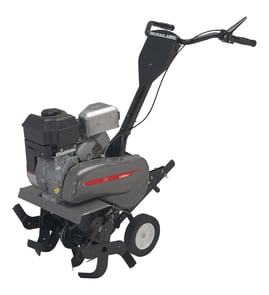
Some tillers are made in the USA, but it varies by brand and even by specific model. For a Craftsman 900795810 6-inch cultivator, the most reliable way to confirm country of origin is to check the product ID plate and packaging details tied to that exact unit, then use that information when shopping for a replacement.
USA-made tiller brands you may see
These brands are commonly marketed as USA-made for at least some of their tiller or cultivator models:
- Mantis (lightweight tillers and cultivators)
- MacKissic (Merry Tiller models)
- Northwest Tillers (heavy-duty farm tillers)
- Power Dog (garden and commercial-style tillers)
How to confirm “made in USA” on a specific tiller
Because manufacturing location can change by model year and configuration, we use these checks when customers want a definitive answer:
- Look for the data plate on the frame, engine shroud, or handle support (often lists country of origin)
- Check the carton label and any included compliance labels
- Record the full model number and any serial number
- Note the engine brand and engine model (engine origin can differ from the tiller frame)
- Compare the exact wording: “Made in USA” vs “Assembled in USA” vs “Made in USA with domestic and imported parts”
Why it matters
“Made in USA” can affect parts sourcing, hardware standards, and long-term serviceability. It also helps you avoid ordering the wrong components when a model has multiple production runs.
Quick comparison: what to expect
| Tiller type | Typical use | What “made in USA” impacts most |
|---|---|---|
| Front-tine tiller / cultivator (like Craftsman 900795810) | Small gardens, light soil | Tines, belts, throttle cables, handle hardware |
| Rear-tine tiller | Larger gardens, tougher soil | Transmission parts, drive system, wheels/tires |
| Heavy-duty farm tiller | Acreage, commercial use | Gearboxes, driveline components, bearings |
Helpful resource for identifying the exact model
If you are matching parts or comparing similar-looking units, use how to find your appliance model number (and what it means for parts) to make sure the model number you search matches the tag on your tiller.
Last updated: February 2026
Where to find model number on Craftsman tiller?
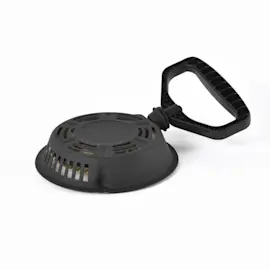
On a Craftsman tiller like model 900795810, you’ll usually find the model number on a sticker or metal tag near the engine and starter area. Common spots include the recoil starter housing, under the engine shroud, or on the sheet metal near the muffler or spark plug.
Most common places to check
Look for a label that includes a model number and sometimes an engine code. Check these areas first:
- Recoil starter (pull-start) housing
- Under the engine shroud or top cover
- Sheet metal next to the muffler
- Near the spark plug area
- On the frame near the handle mounts
- Along the rear of the tine shield (if equipped)
Quick tips to spot it faster
- Wipe off dirt and oil; model tags are often hidden by grime
- Use a flashlight and look for a silver or white sticker
- Take a photo and zoom in; small print is common
- If the sticker is damaged, look for stamped numbers on nearby metal
What the model number helps you do (and why it matters)
The model number is the key to matching the correct tiller parts (like tines, belts, pulleys, cables, and engine-related hardware) to your exact Craftsman unit. Using the right model number helps prevent ordering parts that look similar but do not fit.
| What you’re looking for | What it’s used for |
|---|---|
| Tiller model number (example: 900795810) | Finding the correct Craftsman parts breakdown |
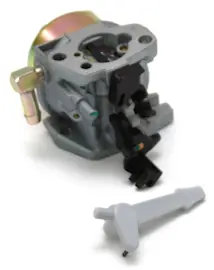
| Engine model/type/code (on the engine tag) | Matching engine-specific parts like carburetor or ignition components |
If you’re ordering parts
Once you find the tag, enter the model number exactly as shown (including any dashes or extra digits) when searching on Sears PartsDirect.
Last updated: February 2026
Can a front tine tiller break new ground?
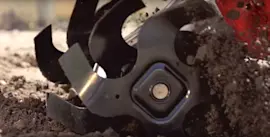
Yes, a front-tine tiller like the Craftsman 900795810 can break new ground, but it is slower and more work than using a rear-tine tiller. In hard, grassy, or compacted soil, front-tine models often ride up and “bounce” instead of pulling themselves down into the dirt.
Best use cases for a front-tine tiller
Front-tine tillers are strongest when you are cultivating soil that is already somewhat workable.
- Mixing compost, fertilizer, or soil amendments into an existing garden bed
- Loosening soil for planting after it has been previously tilled
- Working in smaller spaces where a larger rear-tine tiller is hard to maneuver
- Light weed control between rows (shallow passes)
How to break new ground with model 900795810 (practical approach)
If you need to start a new bed, we recommend treating it like a multi-pass job.
- Mow the area as low as possible and remove rocks, wire, and thick roots
- Start with the shallowest tine depth setting and make a slow first pass
- Overlap passes by about 1/3 of the tiller width
- Make 2 to 4 passes, increasing depth a little each time
- If it keeps hopping, reduce depth and slow your forward pace
Quick depth strategy
| Pass | Depth goal | What you should see |
|---|---|---|
| 1 | Very shallow | Surface broken, sod scratched |
| 2 | Shallow | Soil starts to crumble, less bouncing |
| 3 | Medium | Sod breaks up, bed begins forming |
| 4 | Final (as needed) | Even texture for planting |
Why it matters
Breaking new ground puts the highest load on the tines, belts, and engine. Using shallow, repeated passes reduces bouncing, improves control, and helps prevent premature wear on key drive components.
Helpful DIY reference
For general repair readiness (tools that make adjustments and troubleshooting easier), use our guide: must have tools for appliance repair.
Last updated: February 2026
How much does a 6 foot tiller weigh?
A “6-foot tiller” weight depends on the type (3-point PTO rotary tiller vs. walk-behind/front-tine cultivator). Your Craftsman model 900795810 is a 6-inch cultivator, not a 6-foot tiller; most small cultivators typically weigh about 20 to 40 lb.
Quick way to match the weight to what you own
Use these checks so you are comparing the right machine:
- Working width: 6 inches (cultivator) vs. 72 inches (6-foot tiller)
- How it’s powered: small gas/electric engine vs. tractor PTO
- How it moves: you walk behind it vs. it mounts to a tractor
- Where the model tag is: usually on the engine shroud or frame
Typical weight ranges (by equipment type)
These ranges help you estimate weight for transport, storage, and loading ramps.
| Equipment type | Typical working width | Typical weight |
|---|---|---|
| Small cultivator (like Craftsman 900795810) | 6 to 12 in. | 20 to 40 lb |
| Front-tine tiller (walk-behind) | 16 to 24 in. | 90 to 140 lb |
| Rear-tine tiller (walk-behind) | 16 to 20+ in. | 150 to 250+ lb |
| Tractor 3-point rotary tiller (“6-foot”) | 72 in. | 600 to 900+ lb |
Why the “731 lb” number may show up
A weight around 731 lb is common for a tractor-mounted 6-foot rotary tiller, not a small Craftsman cultivator. If you are trying to size a trailer, ramps, or a hitch setup, make sure you are using the weight for the correct equipment class.
What to do if you need the exact weight for Craftsman 900795810
- Check the model/serial label on the frame for the exact model confirmation
- Weigh it on a bathroom scale (lift one end at a time and add the readings) or a shipping scale
- If you are shopping parts, use the model number to search by model on how to find your appliance model number (and what it means for parts)
Last updated: February 2026
Are Craftsman tillers any good?
Yes. Craftsman tillers are a solid choice for typical home garden work; the Craftsman 900795810 6" cultivator style is generally valued for straightforward operation and good soil-mixing performance. Like most tillers, long-term satisfaction depends on maintenance, soil conditions (rocky roots and hardpan), and replacing wear items on time.
What “good” means for a front-tine tiller
Front-tine tillers and cultivators like model 900795810 are best when you want control in tighter spaces and lighter-to-moderate soil.
They tend to be “good” if you need:
- Mixing compost into existing beds
- Breaking up previously worked soil
- Weeding between rows (with the right tine setup)
- A lighter machine that is easier to maneuver than a rear-tine tiller
Common strengths and common complaints
Across Craftsman tillers, the pattern is consistent: strong performance for the size, with most issues tied to wear, adjustment, or operator expectations.
- Strengths: good bite in typical garden soil, easy handling, simple controls
- Common complaints: faster wear in rocky soil, vibration loosening hardware, belts/tines wearing sooner if overworked, occasional handle or control-cable adjustments needed
Quick checks that improve reliability
These steps prevent most “it’s not good anymore” complaints on small tillers.
- Re-tighten accessible fasteners after the first few uses (vibration is normal)
- Keep tines clean; wrapped roots and wire cause poor tilling and extra strain
- Avoid forcing the machine; make multiple shallow passes in hard ground
- Inspect belts, cables, and tine hardware at the start of the season
- Use fresh fuel and the correct oil level for easier starting and steadier power
When a Craftsman tiller is the wrong tool
If you regularly break new ground, hit rocks, or need deep primary tilling, a rear-tine tiller is usually the better match.
| Job type | Front-tine (like 900795810) | Rear-tine tiller |
|---|---|---|
| Existing garden beds | Best fit | Works, often more than needed |
| Tight spaces | Best fit | Harder to maneuver |
| New, compacted ground | Limited; multiple passes | Best fit |
| Rocky soil | Higher wear risk | Better traction and control |
Why it matters
Matching the tiller style to your soil and workload is what makes a Craftsman tiller feel “good” or “not worth it.” For model 900795810, using shallow passes and staying ahead of wear items is the difference between seasons of reliable use and repeated breakdowns.
For help confirming you have the exact model and the right replacement parts list, use how to find your appliance model number (and what it means for parts).
Last updated: February 2026