Installation guide
 Error Codes



What is the most reliable side-by-side refrigerator?
The most reliable side-by-side refrigerator is typically the one with a simpler design, strong temperature control, and fewer dispenser and ice maker complications. For long-term dependability, we see the best results from models with proven serviceability and readily available replacement parts; use the installation guide to confirm fit, clearances, and hookup requirements before you buy.
What “reliable” means for side-by-side refrigerators
Reliability is less about one perfect brand and more about how the refrigerator is built and used.
Key reliability factors we look for:
- Stable cooling performance (consistent fresh food and freezer temps)
- Straightforward ice maker and water dispenser design
- Good airflow through the evaporator and condenser areas
- Easy-to-source maintenance parts (filters, switches, fans, gaskets)
- Proper installation (leveling, water line routing, ventilation)
Brand and design guidance (what usually lasts)
Across side-by-side refrigerators, simpler configurations tend to last longer than feature-heavy designs.
A practical comparison:
| What you choose | Typical reliability outcome | Why |
|---|---|---|
| Basic side-by-side (few electronics) | Higher | Fewer failure points |
| External ice and water in the door | Medium | More moving parts and switches |
| Complex dispenser controls and sensors | Lower | More components to troubleshoot |
How this applies to your KitchenAid KSSS42QKX00
Your KitchenAid KSSS42QKX00 is a built-in side-by-side. Built-in units can be very dependable when airflow and water supply are set up correctly, and when routine maintenance is kept up.
Common reliability maintenance items for this model include:
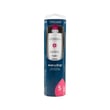
- Replacing the refrigerator water filter EDR5RXD1 on schedule
- Keeping the condenser area clean and unobstructed
- Addressing door seal issues early (warm air leaks drive longer run times)
Why it matters
A “reliable” refrigerator is one that holds safe food temperatures without running constantly. Good installation and routine maintenance reduce compressor run time, prevent frost and airflow problems, and help the ice maker and dispenser work consistently.
Last updated: February 2026
What is the average lifespan of a KitchenAid refrigerator?
KitchenAid refrigerators typically last 12 to 15 years on average, and many run 10 to 17 years with normal use. For a built-in model like KitchenAid KSSS42QKX00, steady temperatures, clean airflow, and a healthy ice and water system are the biggest factors in reaching that lifespan.
Typical lifespan ranges
Most refrigerators fall into a few common buckets based on design and how hard they run.
| Refrigerator type | Typical lifespan | Notes |
|---|---|---|
| Standard freestanding | 10 to 15 years | Most common range for many homes |
| Built-in (like KSSS42QKX00) | 12 to 17 years | Often runs longer when ventilation is kept clean |
| Heavy-use households | 8 to 12 years | More door openings and ice use increase wear |
What shortens lifespan fastest
These issues make the compressor and fans work harder, which reduces overall life.
- Dirty condenser area or blocked ventilation (higher run time)
- Door gasket leaks that let warm air in (frost, moisture, long cycles)
- Ice maker and water system problems that cause leaks or freezing
- Poor temperature settings (too cold can increase frost and run time)
- Overpacked shelves that block airflow inside the cabinet
What we recommend to help your KSSS42QKX00 last longer
These are the highest-impact maintenance steps for a side-by-side built-in refrigerator.
- Replace the water filter on schedule; a restricted filter can reduce water flow and strain the dispenser system (see refrigerator water filter EDR5RXD1).
- Keep doors sealing tightly; if you see gaps, moisture, or frost, inspect the gasket and alignment.
- If cooling seems uneven, check for evaporator fan symptoms (noise, warm fridge section, weak airflow).
- Address defrost issues early (heavy frost on the back wall is a common warning sign).
- Follow the clearances, leveling, and ventilation guidance in the installation guide.
Why it matters
A refrigerator that runs longer cycles because of airflow restrictions, frost buildup, or air leaks uses more energy and puts extra wear on the sealed system (compressor, evaporator, condenser). Small fixes and routine filter changes often prevent the expensive failures.
Last updated: February 2026
What is the most common problem with KitchenAid refrigerators?
The most common issues we see on KitchenAid refrigerators like model KSSS42QKX00 are ice maker and water dispenser problems, followed closely by cooling complaints (warm fridge or freezer). These often trace back to airflow, defrost, or water-supply related failures described in the installation guide.
Most common symptoms customers notice
- Ice maker stops making ice or makes small/hollow cubes
- Water dispenser slows down or stops dispensing
- Freezer is cold but fresh food section is warm (or vice versa)
- Frost buildup on the back wall or around the evaporator area
- Unusual fan noise, rattling, or intermittent buzzing
- Water leaking inside the cabinet or pooling near the front
What usually causes those problems
For a built-in side-by-side like the KitchenAid KSSS42QKX00, the most frequent root causes fall into a few buckets:
| Problem area | What fails most often | What you’ll notice |
|---|---|---|
| Ice and water | Clogged filter, restricted tubing, dispenser switch issues | Slow water, no ice, weak dispense |
| Airflow | Evaporator fan issues or blocked vents | Warm section, uneven temps |
| Defrost | Defrost sensor/bi-metal or drain restriction | Frost buildup, leaks, poor cooling |
| Controls | Dispenser or electronic control problems | Intermittent operation, dead dispenser |
Parts that commonly solve these issues (when they match your symptoms)
- If ice or water flow is weak: replace the refrigerator water filter EDR5RXD1
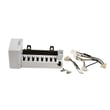
- If the ice maker is not cycling or not producing: consider the ice maker assembly 4317943
- If you have heavy frost and warming: check the refrigerator defrost bi-metal WPW10225581
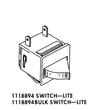
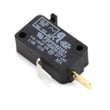
- If the dispenser won’t activate: test the refrigerator dispenser switch WP2162361
Why it matters
Ice maker, dispenser, and cooling problems tend to cascade. A restricted water filter can reduce ice production, and poor airflow or defrost issues can cause temperature swings that spoil food and overwork the compressor.
Quick checks we recommend before replacing parts
- Confirm the shutoff valve is fully open and the water line is not kinked
- Replace the water filter if it is older than 6 months
- Make sure vents inside both compartments are not blocked by food packages
- Listen for the evaporator fan running when the door switch is pressed
- Check for frost buildup that points to a defrost system problem
Last updated: February 2026
What is the disadvantage of a side-by-side fridge?
For a side-by-side refrigerator like the KitchenAid KSSS42QKX00, the biggest disadvantage is the narrow compartment width; wide items (pizza boxes, party platters, sheet pans) often do not fit well. You also tend to bend more to reach lower shelves and bins, and dispenser-equipped doors add parts that can need maintenance.
Common disadvantages (and what you will notice)
- Narrow shelves: less usable width for large, flat items.
- More vertical stacking: tall compartments can lead to items getting buried.
- More bending: both fresh food and freezer sections have low storage zones.
- Dispenser complexity: ice and water systems add switches, levers, tubing, and filters.
- Potential for more frost or airflow issues: if vents get blocked, temperatures can vary.
Side-by-side vs other styles (quick comparison)
| Feature | Side-by-side | French door | Top freezer |
|---|---|---|---|
| Fits wide platters | Fair | Best | Good |
| Freezer access | Easy (eye-level items) | Good (drawer) | Fair |
| Fresh food visibility | Good | Best | Fair |
| Dispenser/ice complexity | Often higher | Often higher | Often lower |
Why it matters for repairs and parts
A side-by-side design commonly relies on door-mounted dispensing and tight airflow paths. That means small issues can show up as bigger annoyances, such as slow dispensing, no ice, or warm spots.
If your dispenser or ice maker starts acting up, these model-relevant parts are commonly involved:
- Refrigerator water filter EDR5RXD1
- Ice maker assembly - refrigerator ice maker by whirlpool 4317943
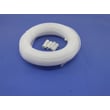
- Refrigerator water tube W10823511
- Refrigerator dispenser switch WP2162361
Tips to reduce the downsides
- Store wide items on adjustable shelves only when needed; use bins for smaller items.
- Keep air vents clear in both compartments to prevent warm zones.
- Replace the water filter on schedule to help maintain water flow and ice quality.
- If water sputters after a filter change, follow how to purge air from a refrigerator water dispenser video.
Where to confirm model-specific features
For layout, leveling, and installation clearances that affect day-to-day usability, follow the installation guide.
Last updated: February 2026