 Owner’s manual



What is the life expectancy of a GE washing machine?
A GE washing machine typically lasts 10 to 14 years. For your GE GTW330ASK2WW top-load washer, consistent maintenance (especially replacing fill hoses every 5 years and using correct detergent) is what most directly determines whether you land closer to 10 years or closer to 14.
Typical lifespan and what changes it
Most washer lifespan differences come down to load habits, water quality, and how quickly small issues (leaks, draining problems, out-of-balance loads) get corrected.
- Average use (several loads per week): 10 to 14 years
- Heavy use (daily loads, large families): closer to 10 years
- Light use (few loads per week): can reach or exceed 14 years
- Hard water: shortens life unless you manage mineral buildup
- Frequent overloading: accelerates wear on the drive system and suspension
For model-specific operating and care guidance, follow the maintenance and safety sections in the GTW330ASK2WW owner’s manual.
Maintenance that extends life (most important)
These steps prevent the most common “washer-killer” failures: leaks, drain issues, and vibration damage.
- Replace water supply hoses every 5 years and check them regularly for bulges, cracking, or seepage
- Turn off water faucets when the washer is not in use to reduce leak risk
- Use HE detergent and avoid overdosing (too many suds strains draining and rinsing)
- Keep loads balanced; wash bulky items in smaller, even loads
- Level the washer to reduce cabinet rubbing, squeaks, and out-of-balance wear
Quick reference: what to replace and when
| Item | Best practice interval | Why it matters |
|---|---|---|
| Water supply hoses | Every 5 years | Reduces risk of hose failure and water damage |
| Leveling check | Any time it vibrates or squeaks | Protects suspension and cabinet |
| Cleaning routine | Monthly or as needed | Helps prevent odor and residue buildup |
Why it matters
A washer usually does not “wear out all at once”; it loses reliability as stress builds on key systems (fill, drain, spin). Preventive care helps you avoid expensive failures and keeps cycles running normally.
When a repair is worth it
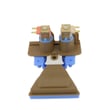
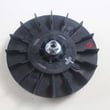
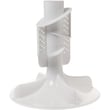
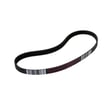
If your GTW330ASK2WW stops draining, will not spin, or will not fill, replacing a common wear part often restores full function. Examples of frequently replaced parts for this model include the washer drain pump assembly WH23X28418, washer drive belt WH01X24697, and washer suspension rod kit WH16X26908. You can order replacement parts from the parts list for this model, or search by model number on Sears PartsDirect.
Last updated: February 2026
What is the capacity of the gtw330ask2ww?
The GE GTW330ASK2WW top-load washer has a 3.8 cu. ft. capacity, which is the usable tub volume for washing clothes. For cycle loading guidance (small vs. large loads) and best results, follow the recommendations in the GTW330ASK2WW owner's manual.
What 3.8 cu. ft. means for everyday loads
A 3.8 cu. ft. washer is a mid-capacity top-load design; it handles everyday family laundry well when loads are not packed tightly.
- Small loads: a few lightweight items (quick wash-friendly)
- Medium loads: mixed clothing (typical daily wash)
- Large loads: towels or jeans, loaded loosely so items can circulate
- Bulky items: wash one bulky item at a time when possible
- Best practice: keep items below the top of the basket and distribute evenly
Loading tips that protect performance
Overloading is one of the most common causes of poor cleaning, out-of-balance spinning, and extra wear on drive components.
- Load items loosely, not compressed
- Mix large and small items to help balance
- If the load ends wetter than normal, redistribute and run Drain & Spin
- Use Deep Rinse when using fabric softener to help reduce residue
- Choose the cycle that best matches the fabric and soil level
Quick reference: capacity vs. common symptoms
| What you notice | Common cause | What to do |
|---|---|---|
| Clothes still dirty | Load packed too tight | Reduce load size; select a stronger cycle/soil level |
| Washer bangs or won’t reach full spin | Load out of balance | Redistribute; run Drain & Spin |
| Excess suds or residue | Too much detergent | Use less detergent; add an extra rinse option |
Why it matters
Matching load size to the 3.8 cu. ft. capacity helps the GTW330ASK2WW agitate and rinse correctly, spin efficiently, and reduces stress on parts like the washer drive belt and suspension system. If you need replacement parts for this model, you can order them from the parts list for GTW330ASK2WW or search by model on Sears PartsDirect.
Last updated: February 2026
How to tell if a washing machine drain pump is bad?
On the GE GTW330ASK2WW washer, a bad drain pump shows up as water that will not drain, a tub left full at the end of the cycle, or abnormal noise (grinding) instead of the normal drain-pump humming described in the owner's manual. After you rule out a drain-hose setup problem, the pump becomes the top suspect.
Quick checks we recommend first
- Unplug the washer before inspecting underneath.
- Make sure the lid is fully closed and the cycle is in drain/spin.
- Check the washer drain hose for kinks, crushing, or a clogged standpipe.
- Confirm the drain hose routing: it must rise above 30 inches at some point.
- Confirm drain height: the top of the drain outlet should be under 8 ft above the floor.
Symptoms that point to a failing pump
- Washer ends the cycle with water still in the tub
- Drains very slowly, then stops before spin
- Loud rattling or grinding during drain (often a damaged impeller)
- Humming with little or no water movement
- Water leaking from the pump area under the washer
Normal vs. bad drain-pump sounds
| Sound/behavior | What it usually means | Next step |
|---|---|---|
| Smooth humming while draining | Normal pump operation | Verify hose height and standpipe flow |
| Humming then gurgling near the end | Normal as the pump draws air | No repair needed |
| Grinding, buzzing, or rattling | Debris or worn pump | Inspect pump area; replace if damaged |
| No pump sound during drain | Pump motor, wiring, lid lock, or control issue | Check lid lock, then test pump circuit |
When replacement is the practical fix
If the drain hose is correctly installed and clear, and the washer still will not drain or the pump is noisy or leaking, replacing the pump is the reliable repair. The correct part for this model is the washer drain pump assembly WH23X28418.
Why it matters
A weak drain pump prevents full spin, leaves clothes soaking wet, and can cause leaks that damage flooring and nearby components.
You can order GTW330ASK2WW parts from the parts list for this model, or search by model number on Sears PartsDirect.
Last updated: February 2026


