Owner’s manual

Is it cheaper to repair or replace a garage door opener?
For a Craftsman garage door opener like model 13953640SRT, it’s cheaper to repair when the problem is isolated (remote battery, safety sensor alignment, wall control wiring, chain tension) and the opener is otherwise reliable. Replace when the opener is older, repeatedly fails, or needs major drive or motor work.
Quick decision guide (repair vs replace)
- Repair when the door is mechanically fine and the opener issue is electrical or adjustment-related.
- Repair when troubleshooting points to power, wiring, sensors, or settings.
- Replace when the opener has frequent breakdowns or multiple worn components.
- Replace when the motor strains, hums and won’t run, or the drive system is failing repeatedly.
- Replace when repair cost is approaching about half the cost of a comparable new opener.
What we check first on 13953640SRT (often low-cost fixes)
Start with the basics from the owner's manual:
- Confirm the opener has power (test the outlet; check breaker).
- Check for a tripped motor overload; wait about 15 minutes and try again.
- Inspect and align the safety reversing sensors; remove obstructions.
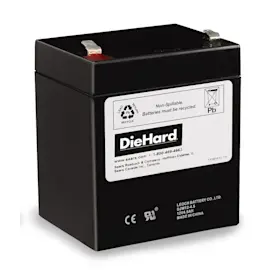
- If the remote is weak, replace the battery (typical life is about 1 year).
- If the remote works but the wall control does not, check wall control wiring and connections.
Cost and value comparison
| Option | Best when | Typical outcome |
|---|---|---|
| Repair | Single, clear fault (sensor, wiring, battery, force/limit adjustment) | Lowest cost; fastest return to service |
| Replace | Repeated failures, major drive or motor issues, or multiple parts worn | Better long-term reliability; newer features |
Why it matters
A garage door opener is a safety device. After any force or limit adjustment, we follow the manual’s guidance to repeat the safety reverse test so the door reverses properly and does not create a hazard.
If you’re deciding today
Use this simple rule:
- If the door is balanced and moves smoothly by hand, we repair the opener-related issue first.
- If the door binds, is unbalanced, or springs are broken, we address the door hardware with a professional garage door service before spending money on opener repairs.
Last updated: February 2026
What is the life expectancy of a Craftsman garage door opener?
A Craftsman garage door opener typically lasts 10 to 15 years. For your Craftsman 13953640SRT, you will usually reach that lifespan when the door is well-balanced, the safety reversing system is tested regularly, and the drive system is kept properly adjusted per the owner's manual.
Typical lifespan and what affects it
Most openers wear out from a mix of motor load, drive wear (chain/belt/sprocket), and control-board aging.
- Cycles per day: more opens and closes shortens life
- Door balance: a heavy or binding door overworks the motor
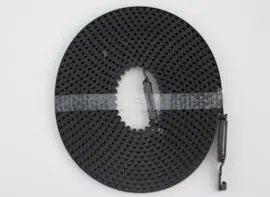
- Drive condition: loose chain, worn sprocket, or stripped gears increase strain
- Safety sensor alignment: misalignment causes repeated reversals and extra cycling
- Maintenance habits: small adjustments prevent big failures
Maintenance schedule that helps you hit 10 to 15 years
Your manual includes a maintenance schedule and safety checks that directly impact longevity.
- Monthly: manually operate the door; if it binds or feels unbalanced, get the door serviced
- Twice a year: confirm the door opens and closes fully; adjust limits and/or force if needed
- Twice a year: repeat the safety reverse test after any force or limit adjustment
- Twice a year: check and adjust chain tension (disconnect trolley first)
- Yearly: oil door rollers, bearings, and hinges (do not grease tracks)
Quick “replace vs. repair” guide
| What you notice | What it usually means | Best next step |
|---|---|---|
| Motor hums briefly, then stops | Door load too high or drive issue | Check door balance; inspect drive and settings |
| Door reverses or will not close | Safety sensor issue or obstruction | Clean/align sensors; clear the door path |
| Needs frequent force increases | Door is binding or springs are failing | Service the door; do not keep increasing force |
| Remote range is poor | Weak remote battery | Replace the 12-volt remote battery |
Why it matters
A garage door opener is designed to move a properly balanced door. When springs, rollers, or hinges wear out, the opener becomes the “muscle” for the whole system, which is the fastest way to shorten its life.
For troubleshooting patterns (including light flashes and diagnostic behavior), use our Craftsman error codes guide.
Last updated: February 2026
What are the common problems with Craftsman garage door openers?
Common problems on the Craftsman 13953640SRT garage door opener are power issues, safety sensor alignment/obstructions that prevent closing, wall control wiring faults, and door balance or spring problems that make the opener strain or reverse. Our owner's manual troubleshooting chart walks you through these checks step by step.
Most common symptoms and what they usually mean
- Opener does nothing (no response from wall control or remote): outlet, breaker/fuse, or a switched outlet issue
- Remote works but wall control does not: wall control wiring connection, staple pinch, or broken bell wire
- Door reverses and opener lights blink for about 5 seconds: safety reversing sensors blocked or misaligned
- Motor hums briefly then stops: door lock engaged, door binding, or a door spring/balance problem
- Works intermittently after repeated cycles: motor overload protector tripped (wait about 15 minutes)
Quick checks we recommend first (safe, no disassembly)
- Confirm power at the ceiling outlet: plug in a lamp to verify the outlet is live.
- Check the door for binding: look for ice/snow at the threshold and remove obstructions.
- Verify safety sensor alignment: make sure both sensor lenses are clean and aimed at each other.
- Test the wall control circuit: if the wall control is not lit, inspect the low-voltage wires for damage.
- Check door balance (important): pull the emergency release and move the door by hand; it should stay in place when partially open.
Symptom-to-fix guide
| Symptom | Most likely cause | Best next step |
|---|---|---|
| No operation from wall control or remote | No power, tripped breaker, locked door | Verify outlet power; disable door locks |
| Remote works, wall control doesn’t | Wall control wiring issue | Inspect/repair low-voltage wiring connections |
| Door reverses, lights blink | Safety sensor blocked/misaligned | Clear obstruction; realign sensors |
| Opener strains or needs max force | Door out of balance, spring issue | Disconnect trolley; correct door balance (do not increase force) |
Why it matters
Most “opener problems” are actually door or sensor problems. Fixing sensor alignment and door balance prevents nuisance reversing, reduces gear and motor wear, and helps the safety reverse system work correctly.
Related help
For flashing-light diagnostics and model-family troubleshooting, use our Craftsman error codes guide.
Last updated: February 2026
Where can I buy Craftsman garage door opener parts?
You can buy replacement parts for your Craftsman 13953640SRT garage door opener through our parts listings and diagrams, using the model number to match the correct opener assembly, rail assembly, and accessories. For part identification and ordering details, use the owner's manual.
How to find the right part for model 13953640SRT
- Confirm the model number on the opener label (commonly under the light lens on the front end panel).
- Identify the failed system: safety sensors, wall control, remote/receiver, drive system, or lighting.
- Use the parts breakdown in the manual to match the part description to your symptom.
- When ordering, use the exact model number plus the part number and part description.
- If the door is stuck, disconnect the door from the trolley and operate the door manually before troubleshooting the opener.
Common parts customers replace (and what they affect)
| Part/system | What it does | Common symptom |
|---|---|---|
| Gear and sprocket assembly | Transfers motor power to the drive | Motor runs but door does not move; grinding noise |
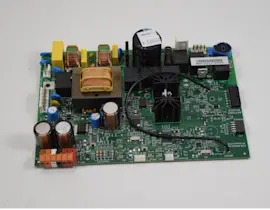
| Receiver/logic board assembly | Controls signals and opener functions | Remotes or wall control act erratically |
| Capacitor (motor start) | Helps the motor start and run | Hums, struggles, or stops under load |
| Safety sensors | Prevents closing on obstructions | Door will not close; lights blink |
Why it matters
Garage door opener parts are model-specific; using the correct Craftsman 13953640SRT part number helps ensure proper fit, safe operation, and reliable travel limits and force settings.
Helpful troubleshooting before you order
- Check for blinking light patterns and diagnostic indicators.
- Inspect safety sensor alignment and wiring at the door opening.
- Verify the door moves smoothly by hand (binding doors overload the opener).
- Reprogram remotes if the receiver is working but remotes are not responding.
For code-based diagnostics, use our Craftsman error codes reference to narrow the failure to a sensor, logic board, or drive issue.
Last updated: February 2026