Owner’s manual

Can I wash a king size comforter in a Maytag washer?
Yes, you can usually wash a king-size comforter in a Maytag washer, and the Maytag MHW6630HW2 front-load washer is designed to handle bulky items when you load and cycle it correctly. For best results, use a Bulky/Bedding-type cycle (or the closest option) and avoid packing the drum tight; the comforter needs room to tumble. See the owner's manual for cycle and loading guidance specific to MHW6630HW2.
How to load a king comforter (so it actually gets clean)
- Shake the comforter out first so it is not folded into a dense “brick.”
- Load it loosely; keep it below the top of the drum and do not compress it.
- Wash the comforter by itself (skip pillows and extra items) to keep the load balanced.
- Use HE detergent only; too much detergent can cause oversudsing and poor rinsing.
- If the comforter is very absorbent, choose an Extra Rinse option when available.
Cycle, detergent, and spin tips
Front-load washers clean by tumbling; bulky loads need time and water flow to move.
| What you choose | Best for | What to avoid |
|---|---|---|
| Bulky/Bedding (or similar) | Comforters, blankets | Quick/Express cycles |
| Warm or cold water | Most comforters | Hot water unless the care tag allows it |
| High spin (if balanced) | Faster drying | Forcing high spin if the washer is thumping or walking |
If the washer won’t spin or drains slowly after a bulky load
A comforter can shift and trigger an out-of-balance condition, or it can shed lint that contributes to slow draining.
- Pause and redistribute the comforter evenly around the drum.
- Run a Drain/Spin cycle after redistributing.
- Check the drain path and pump area for debris if draining is consistently slow.
- If you suspect a drain issue, the washer drain pump assembly W11458345 is the model-matched pump assembly used for draining.
Why it matters
Bulky items that are packed too tightly can trap detergent and soil, rinse poorly, and cause vibration that stresses components like the door lock and drain system. Loading loosely protects cleaning performance and helps the washer finish the cycle normally.
Last updated: February 2026
How can I tell what size my washer is?
Your Maytag MHW6630HW2 washer “size” usually means wash capacity (cubic feet). The quickest way is to check the model’s documentation for capacity and dimensions; if you need a rough estimate, you can also measure the inside of the drum and calculate volume.
Fast ways to find your washer’s size
- Check the specifications section in the owner's manual.
- Look for a model and serial label around the door opening or cabinet area; it often lists key specs.
- If you are planning an install, use the manual’s minimum spacing guidance to confirm fit in a closet or recessed area.
- If you are comparing to another washer, use capacity (cu. ft.) rather than exterior width.
How to estimate capacity by measuring the drum
If you cannot find capacity listed, you can estimate it from the drum’s interior:
- Measure the drum diameter (inside, left to right) in inches.
- Measure the drum depth (inside, front to back) in inches.
- Estimate drum volume as a cylinder.
| What you measure | What it means | Tip for accuracy |
|---|---|---|
| Drum diameter | Drum width across the opening | Measure inside the metal drum, not the door boot |
| Drum depth | Usable depth of the drum | Measure to the back wall of the drum |
| Calculated volume | Approx. capacity | Round to the nearest 0.1 cu. ft. |
Most full-size front-load washers land roughly in the 4.0 to 5.0 cu. ft. range; compact units are typically under 4.0 cu. ft.
Why it matters
Capacity affects how much laundry you can wash per load, cycle performance, and whether bulky items fit. Dimensions and spacing matter for installation; the manual also calls out practical requirements like a level floor, proper clearances, and correct water pressure for best performance.
Last updated: February 2026
What's the average lifespan of a Maytag washer?
Maytag washers typically last 10 to 13 years in normal household use. For your Maytag MHW6630HW2 front-load washer, consistent maintenance (especially proper HE detergent use and periodic cleaning) is what most often determines whether you land closer to 10 years or push beyond it.
What affects lifespan the most
- Load size and frequency: daily heavy loads shorten life faster than moderate weekly use.
- Detergent choice: using HE detergent and not over-dosing helps protect bearings, seals, and the drain system.
- Moisture control: leaving the door ajar between loads reduces odor and bellow wear.
- Water supply condition: old or kinked hoses can leak or restrict fill.
- Drain health: coins, lint, and debris strain the pump and can cause slow-drain issues.
Maintenance that adds years (high impact)
We recommend following the care schedule in the owner's manual. Key items include:
- Replace water inlet hoses every 5 years, and inspect for bulges, kinks, cuts, wear, or leaks.
- Keep airflow clear around the washer (avoid laundry piles blocking ventilation).
- Run the washer’s cleaning routine as directed and keep the dispenser area clean.
- Use only the recommended amount of HE detergent.
Quick reference: what to do and how often
| Task | Typical interval | Why it matters |
|---|---|---|
| Inspect inlet hoses | Monthly | Prevents leaks and fill problems |
| Replace inlet hoses | Every 5 years | Reduces risk of hose failure |
| Clean washer cycle | Monthly (or when reminded) | Reduces odor and residue |
| Check drain performance | As needed | Prevents pump strain and standing water |
When a “worn out” washer is really a fixable problem
If your MHW6630HW2 is not draining, stops mid-cycle, or leaves water behind, the issue is often in the drain path. A common repair is replacing the washer drain pump assembly W11458345.
Why it matters
Knowing the typical 10 to 13 year lifespan helps you decide whether to maintain and repair (hoses, door lock, drain pump) or plan for replacement when major components like the tub and drum become cost-prohibitive.
Last updated: February 2026
What is the most common problem with a Maytag washer?
For the Maytag MHW6630HW2 washer, the most common issues we see are draining and spinning problems, followed by leaks and vibration or noise. Many of these start with simple causes such as a restricted drain path, a kinked hose, too much HE detergent residue, or an unbalanced load; the owner's manual covers the key care and cleaning steps that prevent repeat problems.
Most common symptoms and what they usually point to
- Won’t drain or leaves water in the drum: clogged drain path, blocked pump filter area, or a failing drain pump
- Won’t spin or stops mid-cycle: load imbalance, door lock not engaging, or control sensing a drain issue
- Leaks at the front: door boot (bellow) not sealing, clamp loose, or debris on the door glass
- Loud rumbling or banging: unbalanced load, shipping/leveling issues, or worn rotating components
- Odor or residue: excess detergent, mostly-cold washes, and not airing out the door between loads
Quick checks we recommend first (fast, no parts)
- Run a drain and spin; listen for the pump running and check the standpipe for a slow drain.
- Confirm the drain hose is not kinked or shoved too far down the standpipe.
- Reduce detergent to the HE label amount; too much detergent can build residue and cause odor.
- Wipe the inside of the door and glass; leave the door slightly open between loads to dry.
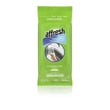
- Run the washer’s cleaning cycle (Clean Washer with affresh®) as described in the manual.
Parts that commonly solve these problems on MHW6630HW2
| Symptom | Likely part to check | What it does |
|---|---|---|
| Not draining, F9-type drain behavior, water left in drum | Washer drain pump assembly W11458345 | Pumps water out during drain and spin |
| Door won’t lock, cycle won’t start or stops | Ha15g janus- W11565030 | Locks the door for safe operation |
| Water leaking from the door area | Bellow, d412 W11314648 | Seals the tub to the door opening |
| Slow fill or dripping at hookups | Washer fill hose set 8212545RP | Supplies hot and cold water to the inlet valves |
Why it matters
Drain and door-lock problems can prevent the washer from completing a cycle, and detergent residue can create odor and performance issues over time. Regular cleaning, correct HE detergent use, and proper hose setup reduce repeat failures.
Last updated: February 2026