Owner’s manual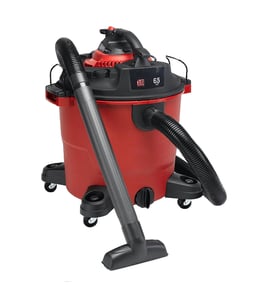

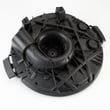
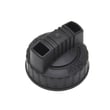
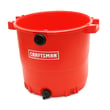
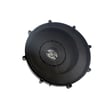
How do I remove the filter from my CRAFTSMAN wet dry vacuum?
To remove the filter on your Craftsman wet/dry vacuum model 113177620, turn the vac off and unplug it, then unscrew the filter nut on the filter cage, lift off the filter plate, and pull the filter straight off for cleaning or replacement (see the 113177620 owner’s manual).
Step-by-step: filter removal
- Turn the power switch to OFF (0) and unplug the power cord.
- Remove the power head (motor top) from the drum so you can access the filter area.
- Unscrew the filter nut from the filter cage.
- Lift off the filter plate.
- Lift the filter off the cage.
- Reinstall in reverse order when finished.
Important safety and performance notes
- Do not remove the filter cage; it helps prevent fingers from contacting the blower wheel.
- For dry pickup, the filter must be installed correctly to reduce leaks and protect the motor.
- If the filter has tears or holes, replace it right away; even small damage can let dust blow out.
Dry vs. wet pickup: when to remove the filter
| What you’re vacuuming | Filter installed? | Why |
|---|---|---|
| Dry debris and dust | Yes | Helps contain dust and protects the blower and motor |
| Small amounts of liquid | Optional | The vac can handle small liquid pickup with the filter in place |
| Large amounts of liquid | No (recommended) | Prevents the filter from saturating and causing exhaust misting |
Why it matters
A clean, properly installed filter keeps suction strong, reduces dust leaks, and helps prevent blower wheel and motor damage. If you switch between wet and dry pickup, drying the filter before dry use also helps prevent fast clogging.
Last updated: February 2026
What is a wet-dry vacuum called?
A wet-dry vacuum is most commonly called a wet/dry vac or a shop vacuum (shop vac). Your Craftsman 113177620 is a wet/dry vac designed to pick up both dry debris and liquids when it’s set up and used the way the 113177620 owner's manual describes.
Common names you’ll hear
- Wet/dry vacuum (wet/dry vac)
- Shop vacuum (shop vac)
- Utility vacuum
- Multi-purpose vacuum
- Garage or workshop vacuum (informal)
Why it’s called a “wet/dry” vac
Wet/dry vacuums are built to handle two very different pickup types:
| Pickup type | Typical examples | Key setup reminder |
|---|---|---|
| Dry pickup | Sawdust, dirt, small debris | Use the correct dry filter setup |
| Wet pickup | Water spills, wet sludge | Follow the manual’s liquid pickup instructions |
Safety and use notes that matter
Wet/dry vacs are powerful, but they have specific do’s and don’ts. For the Craftsman 113177620, we follow these core rules from the manual:
- Do not vacuum flammable liquids, vapors, or explosive dust.
- Do not pick up burning or smoking items (cigarettes, matches, hot ashes).
- Do not use the vac with a torn filter; remove or change filter setup only as directed for liquid pickup.
- Store indoors and do not expose the unit to rain.
- Unplug the vac when not in use and before servicing.
Why it matters
Using the right name helps you buy the right accessories (hose, filter, nozzle) and follow the right operating steps. A “shop vac” is not the same as a typical household carpet vacuum; it’s intended for tougher debris and controlled liquid pickup.
Last updated: February 2026
What is the best wet-dry vacuum to buy?
If you want the “best” wet-dry vacuum, buy the one that matches your cleanup type (shop debris vs. floor washing), tank size, and filter system. For a traditional shop-style unit like Craftsman model 113177620, we recommend choosing a durable wet/dry vac with strong airflow, the right accessories, and easy-to-find replacement filters; use the 113177620 owner's manual to match features to safe operation.
Quick way to choose the right type
Wet-dry vacuums fall into two common categories; the best choice depends on what you clean most.
| Type | Best for | Key features to prioritize |
|---|---|---|
| Shop-style wet/dry vacuum (like Craftsman 113177620) | Garage, workshop, car, water pickup | Hose diameter, filter options, tank capacity, cord length |
| Floor washer “wet-dry” (hard-floor cleaner) | Sealed hard floors, daily messes | Self-cleaning, run time, brush roll design, edge cleaning |
What to look for (shop-style wet/dry vac)
- Tank capacity: Most homeowners do well with 12 to 20 gallons for garage and basement cleanup.
- Filter system: Use a clean, intact filter for dry pickup; remove the dry filter for liquid pickup when your manual calls for it.
- Accessory support: Crevice tool, utility nozzle, and wet pickup setup matter more than extra “bonus” attachments.
- Cord and extension cord safety: Use an outdoor-rated extension cord and the correct wire gauge for the length.
- Indoor storage: Store the vacuum indoors and keep it out of rain to reduce shock risk.
Safety and performance checks that matter
These are the buying and ownership details that prevent common problems (and protect the motor):
- Do not pick up flammable liquids, explosive dust, or hot ashes.
- Keep vents clear so airflow stays strong.
- Do not run the vacuum unattended.
- Use only recommended accessories for your vacuum type.
- If you get frequent static shocks in dry air, adding humidity in the room reduces it.
Why it matters
The “best” wet-dry vacuum is the one that safely handles what you actually pick up. Matching the filter setup, accessories, and cord requirements to your cleanup prevents clogs, weak suction, and motor damage.
Last updated: February 2026
What is the list of vacuum cleaner parts?
For the Craftsman wet/dry vacuum model 113177620, the main parts include the vac assembly (power head and drum), hose, extension wands, filter and filter hardware, float, casters, and the included cleaning nozzles. Our 113177620 owner's manual lists the carton contents and the repair parts section for this model.
Parts and accessories included with model 113177620
From the carton contents list, the included components are:
- Vac assembly
- Pos-I-Lock hose assembly
- Extension wands (2)
- Nozzles and tools: utility nozzle, wet nozzle, car nozzle, crevice tool
- Filter system parts: filter nut, filter plate, filter (red stripe), filter cage
- Float (helps prevent overfilling during wet pickup)
- Casters and caster feet for storage
- Diffuser
- Dust collection bag
Common wear items to replace over time
These items most often need replacement to keep suction and airflow strong:
- Filter (red stripe) and filter hardware if damaged or not sealing
- Dust collection bag (when full, torn, or when you want cleaner dry pickup)
- Wet nozzle squeegee rubber (it can be flipped; replace when worn)
- Hose, wand ends, and nozzle inlets (cracks or loose fit cause suction loss)
- Power cord or switch (damage, intermittent power)
Quick reference: what each part does
| Part group | What it does | Common symptom when it needs attention |
|---|---|---|
| Filter and filter cage/plate/nut | Captures dust and protects the motor | Low suction, dust blow-by |
| Hose, wands, nozzles | Moves airflow to the pickup point | Weak pickup, air leaks, poor reach |
| Float | Helps stop liquid pickup at high level | Poor wet pickup, liquid reaches filter |
| Dust collection bag | Collects debris during dry pickup | Reduced airflow, mess when emptying |
Why it matters
Using the correct parts list for 113177620 helps you match the right filter, hose, and nozzle setup so you maintain airflow and avoid problems like running with a wet or clogged filter during dry pickup.
Last updated: February 2026