Error Codes


How do I tell what model my Kenmore dryer is?
Your Kenmore dryer’s model number is printed on the appliance ID tag; for model 11097586200, you’ll see that exact number on the tag. On most Kenmore dryers, the tag is easiest to spot when you open the door and look around the door opening or on the cabinet frame.
Where to look for the model number
Check these common ID-tag locations on Kenmore gas dryers:
- Inside the dryer door opening on the front frame
- On the back panel of the dryer cabinet
- Along the door opening edge near the latch area
- Near the lint screen housing (depending on design)
- On the lower front area behind the toe panel (some versions)
What the model number looks like (and why it matters)
Kenmore model numbers are typically a long string of digits. Many start with a prefix like 110 (common on Whirlpool-built Kenmore dryers). Matching the full model number ensures we show the correct diagrams and compatible parts.
Quick ID checklist
| What to match | Example | Why it matters |
|---|---|---|
| Full model number | 11097586200 | Ensures correct part fit and wiring layout |
| Serial number | Varies | Helps date the unit and track production changes |
| Fuel type | Gas dryer | Confirms ignition and burner parts selection |
If the tag is missing or unreadable
Use these practical workarounds:
- Look for a faint “imprint” where the sticker used to be (a flashlight at an angle helps)
- Check any purchase paperwork or installation receipt for the full model number
- Compare your dryer’s door style and control layout to parts that commonly fit this model, such as the door switch W10820036
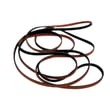
- If the drum won’t turn and you’re diagnosing by symptoms, compare common wear items like the drum belt 341241
Why it matters
The exact model number (not just “Kenmore 110”) is what keeps you from ordering the wrong belt, thermostat, igniter, or gas valve components for your dryer.
Last updated: February 2026
How do I troubleshoot my 11097586200?
To troubleshoot your Kenmore gas dryer 11097586200, start by matching the symptom (no heat, no start, long dry times, or noise) to a short set of checks: airflow first, then door/start switches, then ignition and drive components. This isolates most failures quickly.
Safety first
- Unplug the dryer before removing panels
- Shut off the gas supply if you will access burner components
- Let the dryer cool; hot surfaces and sharp edges are common
Symptom-based troubleshooting checklist
- Dryer will not start: confirm power at outlet, check door closes firmly, test the start switch and door switch
- Runs but no heat: verify strong airflow, then suspect ignition components or gas valve coils
- Long dry times: clean lint screen, clear vent and outside hood, check blower wheel for damage or looseness
- Squealing or thumping: inspect belt path, idler pulley, and drum support areas
Parts that commonly solve these symptoms
Use these when your checks point to a specific failure:
- No start with door closed: door switch W10820036
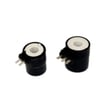
- Clicks, then no flame or heat drops out: dryer gas valve coil kit 279834
- Igniter does not glow: igniter 279311
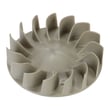
- Loud rumble and weak airflow: dryer blower wheel WP694089
- Drum not turning: drum belt 341241
Simple test flow (fastest path)
| What you observe | Check next | Likely fix |
|---|---|---|
| No start, no sound | Door switch, start switch | Door switch or start switch replacement |
| Starts, tumbles, no heat | Airflow, then igniter glow | Gas valve coils or igniter |
| Heat is weak, clothes damp | Venting, blower wheel | Vent cleaning or blower wheel |
| Squeal while running | Idler pulley, belt | Idler pulley and belt service |
Why it matters
Gas dryers depend on correct airflow and reliable ignition. Fixing venting and worn drive parts early prevents overheating, repeated no-heat complaints, and motor strain.
Last updated: March 2026
What is the average lifespan of 11097586200?
A Kenmore gas dryer like model 11097586200 typically lasts 13 years with normal household use and routine vent cleaning. Keeping airflow strong and replacing wear items early (belt, rollers, idler) is the fastest way to reach that lifespan.
What affects lifespan the most
- Vent restriction (long runs, crushed flex duct, clogged hood) raises heat and wear
- Overloading strains the drum support system and drive components
- Heat system cycling issues can overheat parts and shorten component life
- Lint buildup inside the cabinet increases heat and fire risk
- Delayed maintenance on noisy or slipping drum parts accelerates damage
Common wear parts to watch on this model
If you hear squealing, thumping, or the drum stops turning, these are frequent culprits:
- Drum belt 341241 (broken belt, drum will not turn)
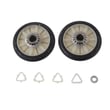
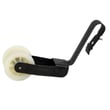
- Dryer idler pulley WP691366 (squeal, belt slip, intermittent tumbling)
- Dryer blower wheel WP694089 (rumbling, poor airflow, longer dry times)
Quick lifespan check: symptoms and what they usually mean
| Symptom | Most common cause | What to do first |
|---|---|---|
| Long dry times | Venting restriction, weak airflow | Clean lint screen, inspect and clear vent run |
| Squealing | Idler pulley or drum support wear | Stop using, inspect belt path and pulley |
| Thumping | Flat-spotted drum support components | Run empty for 5 minutes; if it persists, inspect supports |
| No heat | Ignition system or gas valve coils | Check airflow first, then test ignition components |
Why it matters
A dryer can run for years past its average lifespan, but restricted airflow and ignored noise issues turn small, inexpensive repairs into bigger failures (motor strain, overheating, repeated no-heat problems).
Last updated: March 2026