Owner’s manual
 Error Codes



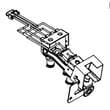
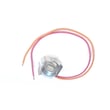
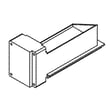
How to remove bottom grille on GE refrigerator?
On the GE GNE25JMKGFES bottom-mount refrigerator, the bottom grille (base grille) typically comes off by pulling the grille straight out to release the retaining clips; if your grille has screws, remove them first, then pull the grille forward. Use the steps in the GNE25JMKGFES owner's manual for your exact grille style.
Quick steps to remove the bottom grille
- Unplug the refrigerator or switch off power at the breaker.
- If the grille has visible screws, remove them with a Phillips screwdriver.
- Grip the grille at both ends and pull straight toward you to release the clips.
- If it feels stuck, pull from one side, then the other (do not twist hard).
- Set the grille aside on a non-scratching surface.
Before you pull the refrigerator out
If you are removing the grille to access the front leveling legs or to move the refrigerator, follow these best practices:
- Raise the leveling legs at the bottom front before pulling the unit forward.
- Pull the refrigerator straight out (sideways movement can damage flooring).
- When pushing it back, avoid rolling over the power cord or water line.
What you can access after the grille is off
| What you are trying to do | What the grille removal helps with | Common next step |
|---|---|---|
| Level the refrigerator | Reaches the front leveling legs | Adjust legs, then recheck door alignment |
| Clean under the unit | Opens the toe-kick area | Vacuum dust and pet hair |
| Diagnose water/ice issues | Improves access for inspection | Check filter, tubing, and valve area |
Why it matters
A properly installed bottom grille helps airflow and protects components near the floor. Removing it the right way prevents broken clips, rattles, and poor fit when you reinstall it.
Last updated: January 2026
What are the advantages of bottom mount refrigerators?
A bottom-mount refrigerator like the GE GNE25JMKGFES keeps fresh-food shelves at eye and waist level, so we reach everyday items with less bending. The freezer stays below in a pull-out drawer, which helps organize frozen foods and reduces cold-air loss during quick fridge grabs.
Key advantages you’ll notice day to day
- Easier access to fresh food (the section most households use most often)
- Better visibility of shelves, bins, and climate zone drawers
- Pull-out freezer drawer helps separate and stack frozen items
- French door style (on many bottom-mount designs) gives wide access for platters
- Convenient features such as LED lighting and adjustable door bins (varies by model)
How the layout helps with organization
Bottom-mount designs typically put the most-used items up top and the less-used items down low.
| Area | What it’s best for | Why it’s convenient |
|---|---|---|
| Fresh food compartment (top) | Produce, dairy, leftovers, drinks | Less bending; faster access |
| Freezer drawer (bottom) | Bulk frozen foods, meats, ice | Pull-out storage; easier sorting |
Tips to get the most from a bottom-mount design
- Keep frequently used items in the door bins and front of shelves.
- Use drawers for produce and deli items to reduce clutter on shelves.
- Avoid overpacking the freezer drawer; airflow matters for consistent temps.
- If the refrigerator beeps, check for a door not closing fully and confirm the gasket is sealing.
Why it matters
Ergonomics and airflow both affect how your refrigerator feels to use and how steadily it cools. A bottom-mount layout reduces bending for daily meals, and the freezer drawer format makes it easier to keep frozen foods organized so the door stays open for less time.
For model-specific features and storage options, follow the layout and feature descriptions in the GNE25JMKGFES owner’s manual.
Last updated: January 2026
What is the most common problem with GE profile refrigerators?
On GE Profile refrigerators like model GNE25JMKGFES, the most common service complaint is not cooling properly (fresh food warm, freezer warming, or temperatures swinging). The usual root causes are airflow issues, defrost system problems, or a failed temperature-sensing or fan component.
Most common symptoms customers report
- Refrigerator section warm but freezer still cold
- Freezer warming and ice cream soft
- Loud humming, rattling, or fan noise
- Ice maker or water dispenser not working consistently
- Water leaking or puddles under the refrigerator
What to check first (fast troubleshooting)
- Confirm settings and airflow: Make sure vents are not blocked by food and doors seal fully.
- Listen for fans: You should typically hear an evaporator fan running at times; no fan sound can point to a fan or control issue.
- Look for frost buildup: Heavy frost on the freezer back wall often indicates a defrost problem.
- Check the water filter and supply (for dispenser or ice issues): A clogged filter or low water pressure can reduce flow.
- Review model-specific guidance in the GNE25JMKGFES owner's manual.
Common causes and related parts (for this model)
| Problem area | What you may notice | Example part for GNE25JMKGFES |
|---|---|---|
| Temperature sensing | Temps swing, intermittent cooling | GE profile refrigerator temperature sensor WR55X10025 |
| Evaporator airflow | Warm fridge, noisy or no fan | Refrigerator evaporator fan motor WR60X32614 |
| Defrost system | Frosted freezer panel, weak cooling | Refrigerator defrost bi-metal thermostat WR50X10069 or refrigerator defrost heater WR51X10108 |
| Water/ice supply | No ice, slow water, buzzing valve | Refrigerator water inlet valve assembly WR57X30890 |
Why it matters
Cooling problems can quickly lead to food spoilage and can also force the compressor to run longer than normal. Catching airflow, defrost, or sensor issues early helps restore stable temperatures and reduces strain on major components.
Helpful GE troubleshooting resources
Last updated: January 2026