Installation guide
 Owner’s manual
 Error Codes

How to force a Kenmore Elite washer to drain?
For the Kenmore washer model 11024872300, the safest way to force a drain is to switch to a Drain/Spin (or Spin) setting with the lid closed and let the pump run; if it still will not drain, clear a kinked or clogged drain hose and verify the drain height is correct per the 11024872300 installation guide.
Quick steps to force a drain
- Press the cycle selector to Drain/Spin (or Spin) and start the cycle.
- Keep the lid closed; this washer will not drain or spin with the lid open.
- Wait through normal pauses; some cycles pause for about 2 minutes.
- Check the drain hose for kinks; rotate the hooked end to eliminate kinks.
- Confirm the drain hose outlet is not more than 96 in. (244 cm) above the floor.
- If you see heavy suds, reduce detergent and retry; excessive sudsing can slow draining.
Drain hose checks that fix most “won’t drain” problems
A poor drain hose setup can cause slow drain, siphoning, or water backing up.
- Keep the hooked end of the drain hose; do not straighten it.
- Do not force excess hose down into the standpipe.
- Leave an air gap; the hose should be secure but loose enough to provide a gap of air.
- Do not lay excess hose in the bottom of the laundry tub.
| What you see | Most likely cause | What to do |
|---|---|---|
| Hums but won’t drain | Hose kink or restriction | Reposition hose, remove kinks, retry Drain/Spin |
| Drains then refills | Siphoning (no air gap) | Reinstall hose with air gap and proper standpipe fit |
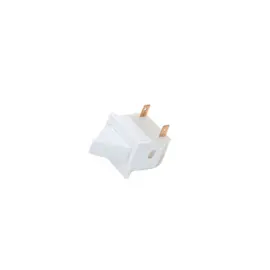
| Won’t spin and won’t drain | Lid not closed or lid switch issue | Close lid; if still no spin, check the washer lid switch WP3949238 |
Why it matters
Forcing a drain the right way protects floors from leaks and prevents drain water from flowing back into the washer. A correct hose height and air gap also helps the drain pump move water efficiently.
Last updated: February 2026
How to hard reset a Kenmore Elite washer?
For the Kenmore washer model 11024872300, a “hard reset” is simply a power reset: disconnect power long enough to clear the control’s temporary state, then restart the cycle normally. If the washer is paused mid-cycle, pushing in the cycle control knob stops it and pulling it back out restarts it.
Power reset steps (safe hard reset)
- Turn the washer OFF by pushing in the cycle control knob.
- Unplug the washer (or switch OFF the breaker) for 1 minute.
- Plug the washer back in (or turn the breaker ON).
- Close the lid fully; this model will not agitate or spin with the lid open.
- Select a cycle and pull out the cycle control knob to start.
If it still will not start, agitate, or spin
These checks solve the most common “needs a reset” symptoms on 11024872300:
- Confirm the washer is not in a normal cycle pause (some cycles pause for about 2 minutes).
- Make sure the lid is closed; a failed lid switch can prevent spin/agitation.
- Avoid extension cords; plug directly into a wall outlet.
- Reduce the load size; overloading can stop agitation or spin.
- If the basket is off-center from loading, push it back to center before starting.
Quick symptom-to-part guide
| Symptom after reset | Most likely area | Part to check |
|---|---|---|
| Won’t spin or agitate with lid closed | Lid safety circuit | Washer lid switch WP3949238 |
| Fills but won’t drain/spin | Drain system | Washer drain pump WP3363394 |
| Agitates weakly or slips | Drive coupling | Washer motor coupling 285753A |
Why it matters
A power reset clears a temporary “stuck” state, but repeated no-start or no-spin issues usually point to a lid safety problem, a drain restriction, or a worn drive component. Using the correct stop/restart procedure also prevents mid-cycle confusion.
For model-specific operating steps and stop/restart details, use the 11024872300 owner's manual.
Last updated: February 2026
What is the average lifespan of a Kenmore washer?
A Kenmore washer typically lasts 10 to 15 years with normal household use. For Kenmore model 11024872300, consistent care (proper loading, correct detergent, and routine checks) helps you reach the high end of that range; heavy loads and neglected maintenance shorten it.
What affects washer lifespan most
- Overloading (stresses the drive system, clutch, and gearcase)
- Poor draining (standing water strains the pump and can cause odors)
- Unbalanced loads (increases vibration and wear on suspension components)
- Hard water and excess detergent (buildup can reduce performance over time)
- Ignoring early symptoms (small leaks or noises often become major repairs)
For model-specific operating and care guidance, follow the 11024872300 owner's manual.
Common wear items that can shorten life
These parts often show up in “won’t spin,” “won’t drain,” or “no agitation” complaints on many Kenmore top-load designs:
| Symptom | Common cause | Example part for this model |
|---|---|---|
| Won’t drain or drains slowly | Pump worn or jammed | Washer drain pump WP3363394 |
| Won’t spin or stops mid-cycle | Lid switch not sensing closed lid | Washer lid switch WP3949238 |
| Agitates poorly or “slips” | Agitator dogs worn | Agitator dog 80040 |
Why it matters
A washer that is maintained and repaired early usually costs less to keep running and cleans better. Your 11024872300 manual also outlines proper loading and use practices that reduce wear and help prevent avoidable breakdowns.
Quick maintenance habits we recommend
- Keep loads evenly distributed and avoid packing the basket tight
- Use the right amount of detergent for load size and water hardness
- Check hoses and connections periodically for drips or corrosion
- Address new grinding, squealing, or burning smells promptly
- If draining slows, inspect for clogs before repeated use strains the pump
Last updated: February 2026
Is it worth repairing a Kenmore washing machine?
Yes, repairing a Kenmore washer is worth it when the fix restores reliable washing and spinning for less than the cost of replacing the machine. For Kenmore model 11024872300, common repairs like a lid switch, drain pump, or motor coupling often bring the washer back to normal operation at a reasonable parts cost; use the 11024872300 owner's manual to match symptoms to the right repair.
How we decide if repair makes sense
We use a simple cost and condition check before buying major parts.
- Compare the repair total (parts plus labor) to the price of a comparable new washer.
- Prioritize repairs that solve a clear failure (no drain, no spin, no agitate).
- Avoid stacking multiple major drive-train repairs at once (gear case, clutch, drive motor).
- Consider downtime: if you need a fast fix, start with the most common failure points.
- Use the symptom to guide the part, not the other way around.
Common “worth it” repairs on this model
These parts frequently solve high-impact problems on direct-drive Kenmore top-load washers.
| Symptom | Likely area | Example part for 11024872300 |
|---|---|---|
| Won’t spin or drain, acts “dead” with lid open | Safety interlock | Washer lid switch WP3949238 |
| Won’t drain or drains slowly | Drain system | Washer drain pump WP3363394 |
| Motor runs but won’t agitate or spin | Drive connection | Washer motor coupling 285753A |
| Agitator moves poorly or “ratchets” | Agitator dogs | Agitator dog 80040 |
When replacement is usually the better call
These situations typically push the decision toward replacing the washer.
- The tub or gear case is leaking oil or water into the drive area.
- The basket drive system is badly worn (loud grinding plus poor spin).
- Multiple major parts are needed at the same time (for example, gear case plus drive motor).
- The cabinet is heavily rusted or the washer has repeated out-of-balance damage.
Why it matters
A targeted repair keeps a solid Kenmore washer running and avoids replacing the whole appliance for a single failed component. The manual also highlights important safety practices (for example, not servicing parts unless you understand the procedure), which helps you avoid damage and injury during diagnosis and repair.
Last updated: February 2026
How to identify a Kenmore washer model?
Your Kenmore washer model number is printed on the model and serial number label. On Kenmore model 11024872300, that label is located under the washer lid, and the model number typically begins with 110. (followed by more digits). Use that full number to match the correct washer parts and diagrams in our catalog.
Where to look on model 11024872300
Check these common spots in this order:
- Under the lid on the top panel area (most common for this model)
- Around the lid opening rim (near the hinge area)
- On the rear panel near the power cord entry
- On the cabinet frame just under the control console edge
For the exact label location and how the model and serial fields are formatted, use the 11024872300 owner's manual.
What the model number looks like (and why it matters)
Kenmore washers often use a long model number; for this unit it is 11024872300. Entering the full model number helps us show the right Kenmore washer parts list, including items like the lid switch, drain pump, and motor coupling.
Quick ID checklist
- Write the model number exactly as shown (include all digits)
- Record the serial number too (helps with production variations)
- Take a clear photo of the label before ordering parts
Model number vs. serial number
| Label item | What it tells you | When you use it |
|---|---|---|
| Model number | The exact washer design family | Always, for parts lookup |
| Serial number | Production run details | When parts vary by series |
Why it matters
Using the correct model number prevents ordering the wrong part. For example, if your washer will not spin or drain, the correct model number helps match common replacements like the washer lid switch WP3949238 or the washer drain pump WP3363394 to your exact Kenmore configuration.
Last updated: February 2026
How many cubic feet is a Kenmore Model 11024872300 washer?
The Kenmore washer model 11024872300 is a top-load design; washers in this Kenmore 110 platform are typically about 3.2 to 3.5 cu. ft. capacity. For the exact capacity rating for your specific unit, we recommend confirming it in the 11024872300 owner's manual.
How to confirm the exact capacity on your washer
Capacity is often listed in the specifications section of the manual, and sometimes on the model and serial label under the lid.
- Check the specifications section in the 11024872300 owner's manual
- Look under the lid for the model and serial label and any capacity markings
- Compare your washer’s basket size and tub style to the diagrams in the manual
- If you are measuring for laundry volume, use the basket diameter and depth method (manual diagrams help)
Typical capacity range (what it means for loads)
Here is a practical way to think about common top-load capacities in this family.
| Capacity (cu. ft.) | Typical load size | Common examples |
|---|---|---|
| 3.2 | Medium | Everyday mixed loads |
| 3.5 | Medium to large | Towels, jeans, bulkier items |
Why it matters
Knowing the cubic feet helps us match the right wash expectations and reduce issues like poor cleaning, out-of-balance spinning, and overloading wear on drive components.
If your washer struggles to agitate or spin when loaded correctly, common wear items on this style include the agitator dog 80040 and the washer motor coupling 285753A.
Last updated: February 2026