Installation guide
 Owner’s manual


How do I reset my GE He sensor dry dryer?
To reset the Sensor Dry behavior on your GE dryer model GTD75ECSL0WS, we power-cycle the dryer: press Power to turn it off, wait 60 seconds, then turn it back on and start a new cycle. This clears most temporary control glitches.
Quick reset steps (power-cycle)
- Press Power to turn the dryer off.
- Wait 1 full minute.
- Press Power to turn the dryer on.
- Re-select your cycle (for example, a Sensor Dry cycle) and press Start.
- If Control Lock is on, unlock it first (see below).
If the controls are locked (common “won’t reset” cause)
On GTD75ECSL0WS, Control Lock can prevent button selections even though the Power button still works.
- Press and hold Extended Tumble and - (minus) for 3 seconds.
- Watch for the control lock icon to flash, then turn off.
- Try the reset steps again.
Reference: GTD75ECSL0WS owner's manual
What “Sensor Dry” is doing (so it does not feel “stuck”)
Sensor Dry cycles automatically adjust time based on moisture sensor feedback. The dryer can also “learn” your installation and usage over several weeks, which can change estimated time and shutoff behavior.
Typical symptoms and what they mean
| What you see | What it usually indicates | What we do first |
|---|---|---|
| Time remaining jumps around | Normal Sensor Dry adjustment | Clean lint filter, check venting |
| Clothes still damp | Airflow restriction or load issue | Clean lint path, reduce load |
| Cycle ends too soon | Sensor not reading load well | Use higher dryness level or Timed Dry |
Why it matters
A “reset” helps when the control board is confused, but Sensor Dry performance depends heavily on airflow. Keeping the lint screen and exhaust vent clear improves dry times, prevents overheating, and helps the moisture sensor make accurate decisions.
Helpful reading: dryer takes a long time to dry
Last updated: February 2026
Is a 7.3 cubic foot dryer big?
Yes. A 7.3 cubic foot dryer is a large-capacity size, so it handles bigger loads and bulky items with fewer cycles than many standard-capacity dryers. For GE dryers like model GTD75ECSL0WS, this capacity is typically considered a “family-size” drum.
What “7.3 cu. ft.” means in real use
A larger drum gives clothes more room to tumble, which helps airflow and can improve drying performance when you avoid overloading.
- Fits larger mixed loads (towels, jeans, sweatshirts) more comfortably
- Better for bulky items (comforters, blankets, pillows) than smaller drums
- Helps reduce the number of loads per week for busy households
- Still needs proper venting and lint control to dry efficiently
Capacity comparison (quick guide)
| Dryer capacity | Common label | Best for |
|---|---|---|
| 5.0 to 6.5 cu. ft. | Standard | Singles, couples, smaller loads |
| 6.6 to 7.4 cu. ft. | Large | Families, frequent laundry |
| 7.5 cu. ft. and up | Extra-large | Very large households, frequent bulky loads |
Tips to get the best results from a large-capacity drum
Even with a big drum, drying time increases fast when airflow is restricted.
- Fill the drum loosely; stop when items reach about 3/4 full
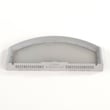
- Clean the lint screen every load; replace a damaged screen such as the GE dryer lint screen WE03X23881
- Check that the vent path is clear and not crushed behind the dryer
- Use the right cycle for the fabric (bulky, towels, timed dry) to prevent damp spots
- Confirm clearances and venting requirements in the GTD75ECSL0WS installation guide
Why it matters
Choosing the right capacity helps you dry efficiently: a large drum can save time and energy by reducing loads, but only if you maintain strong airflow (lint screen, ducting, and outdoor vent hood).
Last updated: February 2026
What are the main parts of a dryer?
For the GE GTD75ECSL0WS dryer, the main parts are the drum system that tumbles clothes, the drive system that turns the drum, the airflow and lint system that moves air through the load, and the heat and safety controls that regulate temperature. See the GTD75ECSL0WS owner's manual for feature and care details.
Main dryer parts (and what they do)
- Drum and supports: holds clothes and tumbles them; supported by glides/bearings and seals.
- Drive system: motor turns the drum using a belt and idler pulley.
- Heating system: creates heat (electric element or heater assembly, depending on configuration).
- Airflow system: blower wheel pulls air through the drum and pushes it out the exhaust vent.
- Lint collection: lint screen and lint chute capture lint before it enters the duct.
- Controls and sensors: thermistors and thermostats monitor temperature and help prevent overheating.
- Door safety: door switch confirms the door is closed so the dryer can run.
Common GTD75ECSL0WS parts you may replace
| System | Example part on this model | What you’ll notice when it fails |
|---|---|---|
| Drive | Dryer drum belt WE03X29897 | Drum will not turn, squealing, burning rubber smell |
| Tensioning | Dryer idler pulley WE03X31620 | Squeal, thump, belt slipping or breaking |
| Airflow | Dryer blower wheel WH16X34317 | Weak airflow, long dry times, rattling noise |
| Lint | GE dryer lint screen WE03X23881 | Lint bypassing filter, poor airflow, longer cycles |
| Heat control | Dryer heating element control thermistor WE4M398 | Overheating, underheating, inconsistent drying |
Why it matters
Knowing the main parts helps you troubleshoot faster. For example, long dry times often point to airflow and lint issues; the manual recommends cleaning the lint filter before each use and inspecting and cleaning the exhaust ducting at least yearly to prevent clogs.
Quick checks we recommend before buying parts
- Clean the lint screen and confirm it seats fully.
- Check the outside vent hood flaps for free movement.
- Inspect the vent path for kinks, crushing, or heavy lint buildup.
- Listen for squealing or thumping that suggests belt or idler wear.
- If the dryer will not start, confirm the door closes firmly (door switch engagement).
Last updated: February 2026
What brand of dryer has the least problems?
No dryer brand is problem-free, but the brands that typically have the fewest service issues over time are Speed Queen (most durable, usually highest price), Whirlpool-family brands (Whirlpool, Maytag), and LG; GE models like GTD75ECSL0WS can also be very dependable when venting and maintenance are done correctly (per the GTD75ECSL0WS owner's manual).
Best “low-problem” dryer brands (real-world shopping guidance)
When we help customers choose for reliability, we focus on simple designs, strong parts availability, and easy maintenance.
- Speed Queen: built for longevity; fewer “feature” failures
- Whirlpool / Maytag: strong nationwide service network; widely available parts
- LG: often strong performance and efficiency; choose models with good airflow design
- GE: solid reliability, especially when installed and vented correctly
What matters more than the logo
Even the most reliable brand will struggle if airflow is restricted or the dryer is overloaded.
- Clean the lint filter before every load
- Keep the exhaust duct short, smooth, and unkinked
- Make sure the outside damper opens freely
- Sort loads (heavy items separate from lightweight items)
- Match cycle and heat settings to fabric type
Quick comparison (how to decide)
| Priority | Best fit | Why |
|---|---|---|
| Maximum durability | Speed Queen | Simplified, heavy-duty build |
| Best balance of cost and reliability | Whirlpool / Maytag | Proven designs, easy parts support |
| Features and efficiency | LG | Strong performance; more electronics |
| Dependable with good maintenance | GE (including GTD75ECSL0WS) | Good results when venting and upkeep are right |
Why it matters
Most “dryer problems” customers experience are actually airflow, venting, or maintenance issues. GE’s guidance emphasizes proper ducting and keeping the lint filter and exhaust system clear; that directly reduces long dry times, overheating shutdowns, and repeat service calls.
Last updated: February 2026
What is the belt part number of GTD75ECSL0WS?
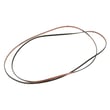
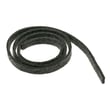
For the GE GTD75ECSL0WS dryer, the drum belt is the dryer drum belt part ID WE03X29897 (manufacturer part number WE12X21574). This belt wraps around the drum and motor pulley to turn the drum during a cycle.
How to confirm you are ordering the right belt
We recommend matching both the model number and the belt identifier before ordering.
- Confirm the dryer model on the rating label: GTD75ECSL0WS
- Match the belt by part ID: WE03X29897
- Match the manufacturer part number: WE12X21574
- Compare belt routing and access steps in the GTD75ECSL0WS owner’s manual
When a new belt is typically needed
A worn belt often shows up as a drum that will not turn even though the motor runs.
- Dryer runs but drum does not tumble
- Burning rubber smell (belt slipping)
- Thumping or squealing as the belt frays
- Drum turns by hand too easily with the door open
- Belt visibly cracked, glazed, or broken
Quick part identification
| What you’re replacing | Sears PartsDirect part ID | Manufacturer part number |
|---|---|---|
| Drum drive belt | WE03X29897 | WE12X21574 |
Why it matters
Using the correct belt for the GTD75ECSL0WS keeps proper drum speed and tension on the idler system, which helps prevent noise, poor drying performance, and premature wear on the idler pulley and drum support components.
Last updated: February 2026
What is the lifespan of a GE dryer?
A GE dryer typically lasts 10 to 13 years with normal household use. For your GE GTD75ECSL0WS dryer, consistent airflow maintenance (lint screen, lint chute, and venting) and avoiding overheating are the biggest factors that keep the drum, motor, and heater system running longer; see the GTD75ECSL0WS owner’s manual.
What affects dryer lifespan the most
- Airflow restrictions (lint buildup in the screen, duct, or vent) that cause longer dry times and higher heat stress
- Overloading that strains the drum belt, idler pulley, and drum glides
- Poor venting setup (crushed duct, long runs, too many elbows)
- Heat-related wear on thermostats, thermistors, and the heating element
- Delayed maintenance after new noises (squeal, thump, scraping)
Maintenance that adds years (simple, high impact)
- Clean the lint screen after every load; replace a damaged screen with the GE dryer lint screen WE03X23881.
- Inspect and clean the vent path regularly; confirm strong airflow outside.
- Keep loads sized correctly; heavy loads accelerate wear on the belt and support parts.
- If drying times increase, address airflow first before replacing heat parts.
- Level the dryer so the drum rides evenly on its supports.
Common “end-of-life” symptoms and what they usually mean
| Symptom | Most common cause | Typical fix area |
|---|---|---|
| Long dry times | Vent restriction or lint blockage | Venting and lint path cleaning |
| Squealing or scraping | Worn drum glides or felt seal | Drum support components |
| Thumping | Flat-spotted drum support or belt issue | Drum/belt system |
| No heat (electric) | Heater circuit component failure | Heating element/thermostat circuit |
Why it matters
A dryer that breathes well runs cooler and finishes cycles faster. That reduces stress on the heating system and drive components, which is the most reliable way to reach the typical 10 to 13-year lifespan for a GE dryer.
Last updated: February 2026
Where to find part number on GE dryer?
On your GE dryer model GTD75ECSL0WS, the model and serial label is located on the front of the dryer behind the door. That label is the fastest way to identify the correct replacement parts for your exact dryer configuration.
What to look for on the label
Use the information on the rating label to match parts correctly.
- Model number (for this dryer: GTD75ECSL0WS)
- Serial number (helps identify production run details)
- Electrical ratings (helpful for service diagnostics)
- Sometimes additional codes used for manufacturing identification
For the exact label location and how GE describes it, check the GTD75ECSL0WS owner's manual.
Common label locations on GE dryers
For most standalone GE dryers, you will typically find the label in one of these spots:
- Front panel behind the door (most common)
- Door opening or door frame area
- Rear panel (less common)
Why it matters for ordering parts
Many dryer parts look similar but vary by model and production design. Using the model number from the label helps ensure you get the right fit and function.
| What you have | What it helps us match | Example from this model page |
|---|---|---|
| Model number | Correct parts diagram and part list | GTD75ECSL0WS |
| Part ID | Exact Sears PartsDirect part listing | WE03X29897 |
| Part name | Confirms the component type | Dryer drum belt |
If you are replacing a wear item, the part listing will show a part ID and manufacturer part number. For example, the dryer drum belt WE03X29897 is a common match point when diagnosing a squeal, thump, or drum not turning.
Last updated: February 2026