Owner’s manual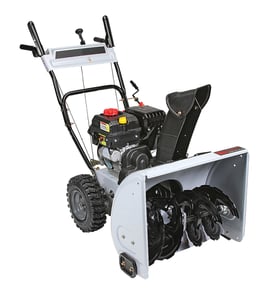



How many years should a snowblower last?
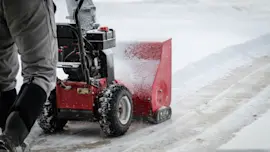
A gas snowblower like the Troybilt 31AS2B5-711 typically lasts 10 to 20 years with normal residential use and consistent maintenance. The biggest factors are off-season storage, routine lubrication, and replacing normal-wear items (belts, skid shoes, shave plate, paddles) before they damage other components.
Typical lifespan by snowblower type
| Snowblower type | Typical lifespan | What usually ends it first |
|---|---|---|
| Gas, mid to heavy duty | 10 to 20 years | Fuel system issues, drive wear, corrosion |
| Gas, light duty | 8 to 15 years | Auger/drive wear, neglected maintenance |
| Electric (corded/battery) | 5 to 10 years | Motor/electronics, battery aging |
What makes a snowblower last longer
We see the longest life when owners follow the maintenance and storage guidance in the 31AS2B5-711 owner's manual and stay ahead of wear parts.
- Change engine oil on schedule (engine maintenance is typically covered in the separate engine manual).
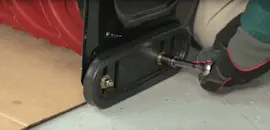
- Tighten loose hardware periodically (vibration loosens fasteners over time).
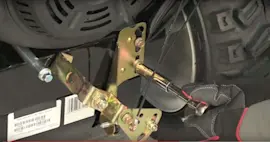
- Lubricate pivot points and control cable spring with light oil once per season and before storage.
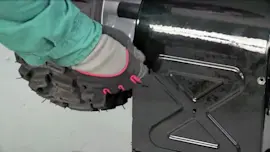
- Keep the auger paddles and scraper system adjusted so metal does not contact pavement.
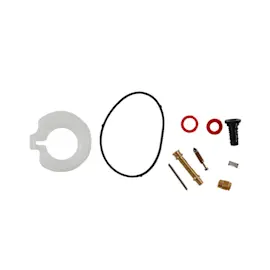
- Use fresh fuel and stabilize fuel before storage to reduce carburetor varnish.
- Store dry and covered to prevent rust on the housing, chute, and fasteners.
Quick “replace it now” checklist
Replacing small parts early prevents expensive damage later.
- Excessive vibration, squealing, or slipping drive: inspect belts and pulleys.
- Poor scraping or leaving snow behind: inspect the scraper blade and shave plate.
- Auger paddles worn down: replace before the metal auger contacts pavement.
- Chute won’t hold position: inspect chute hardware and springs.
Why it matters
A snowblower’s engine and gearbox can run for decades, but neglected lubrication, loose hardware, and worn wear-parts can cause secondary damage that shortens the machine’s life and increases repair cost.
Last updated: January 2026
What kind of gas does my Troy Bilt snowblower take?
For your Troy-Bilt snow thrower model 31AS2B5-711, use fresh unleaded gasoline; E10 (up to 10% ethanol) is the common, safe choice for most small engines. Always follow the fuel and oil directions in the separate engine manual that came with the unit and the 31AS2B5-711 owner's manual.
Fuel recommendations (what to buy)
- Use fresh, clean unleaded gasoline from a busy station.
- E10 (10% ethanol) is typically acceptable for snowblower engines.
- Choose the octane rating recommended by the engine manufacturer (listed in the engine manual).
- Buy only what you will use in 30 days to reduce starting and performance problems.
- If you store fuel longer, use a fuel stabilizer and follow the stabilizer label directions.
How to fuel safely
Gasoline vapors can ignite easily, so fueling habits matter as much as fuel type.
- Shut the engine off and let it cool before refueling.
- Refuel outdoors only.
- Wipe up spills immediately and move the snowblower away from the fueling area before starting.
- Store gasoline in an approved container, away from ignition sources.
Quick guide: common fuel choices
| Fuel type at the pump | Typical fit for snowblowers | Notes |
|---|---|---|
| Unleaded E10 | Good | Most common option; helps avoid fuel system issues when kept fresh |
| Higher ethanol blends (E15, E85) | Avoid | Often causes hard starting and fuel system damage in small engines |
| Old or stale gas | Avoid | Common cause of no-start, surging, and poor power |
Why it matters
Using the right gasoline helps your 31AS2B5-711 start easier in cold weather, run smoother under load, and reduces carburetor varnish and fuel line issues that lead to repairs.
Last updated: January 2026
How to tell if a snowblower auger belt is bad?
On the Troybilt 31AS2B5-711 snow thrower, a bad auger belt shows up as an auger that hesitates, turns slowly, or stops under load even while the engine speed stays steady. A quick visual check after removing the belt cover usually confirms cracking, glazing, fraying, or a stretched belt.
What you’ll notice during operation
- Auger hesitates while rotating even though the engine maintains a constant speed
- Snow discharge is weak or inconsistent
- Burning rubber smell after engaging the auger
- Squealing or slipping noises when the auger is engaged
- Auger stops easily when it hits heavier snow (belt slips instead of driving)
Quick inspection steps (safe and practical)
- Shut the engine off and let all moving parts stop.
- Disconnect the spark plug wire and secure it away from the plug.
- Remove the belt cover (the manual describes removing five hex screws).
- Inspect the belt for wear and damage.
- If the belt looks worn, replace it and reinstall the belt cover.
For the exact removal and reassembly sequence for this model, use the 31AS2B5-711 owner’s manual.
Belt wear checklist (what “bad” looks like)
| What you see | What it usually means | What to do |
|---|---|---|
| Cracks on the ribs or back | Age and heat damage | Replace the belt |
| Shiny, glazed surface | Slipping from wear or misadjustment | Replace belt; check cable tension |
| Frayed edges | Misalignment or pulley wear | Replace belt; inspect pulleys/idler |
| Belt sits loose on pulleys | Belt stretched | Replace belt |
Don’t miss this: cable adjustment vs. belt failure
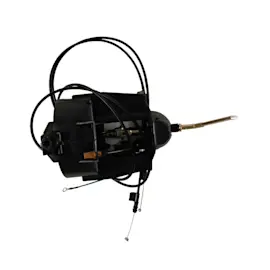
On this Troybilt model, the control cable and drive belt can stretch with wear, and the manual notes that periodic adjustment may be needed. If the auger hesitates, try the cable tension adjustment at the control handle (moving the cable end from the lower hole to the upper hole) before or after belt replacement.
Why it matters
A slipping auger belt cannot transfer full power from the engine pulley to the auger drive. That reduces throwing distance, increases wear, and can overheat the belt and pulleys.
Last updated: January 2026