Owner’s manual
 View engine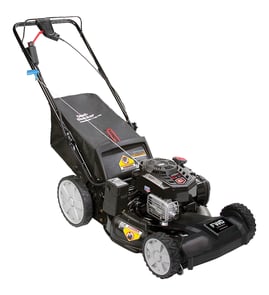


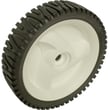
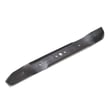

What model number is the Craftsman 917376160?
The model number is 917.376160; it’s printed on the Craftsman rotary lawn mower’s identification label and shown on the cover of the 917376160 owner's manual. This is the number you should use when ordering parts and matching diagrams.
Most Craftsman walk-behind mowers list the model number on a label or plate attached to the deck or rear housing. Check these common spots:
- Top of the mower deck near the engine
- Rear of the deck behind the bagger area
- Near the height adjuster or wheel bracket area
- On the handle support area (varies by build)
Craftsman model numbers can look similar, but small differences change the correct blade, belt, wheels, and hardware. Using 917.376160 helps ensure the parts list and exploded-view diagrams match your mower.
| Part type | What can vary by model | Example for this model |
|---|---|---|
| Blade | Length, center hole pattern, lift style | Lawn mower blade 532406713 |
| Drive belt | Length and width | V-belt (listed in the manual parts list) |
| Control cable | Length and end fittings | Zone control cable (listed in the manual parts list) |
Before we add parts to the cart, we match these details:
- Model number: 917.376160
- Product type: gas walk-behind mower (power-propelled)
- Deck size: 22-inch class mower
- Whether you need drive system parts (self-propel) or cutting deck parts
Why it matters: The right model number prevents wrong-part returns and helps you get the correct fit the first time, especially for wear items like blades, belts, and wheels.
Last updated: January 2026
What time of year is it cheapest to buy a mower?
For a Craftsman walk-behind mower like model 917376160, the cheapest time to buy is typically late summer through fall, when retailers start clearing out seasonal lawn equipment. You’ll usually see the best discounts from August through November, with the deepest markdowns often after peak mowing season.
Retail pricing usually follows the mowing season. When demand drops, stores discount remaining inventory to make room for winter and spring merchandise.
- Late summer (August to early September): first wave of clearance pricing
- Fall (September to October): broadest selection of discounted gas mowers
- Early winter (November): steep discounts, but fewer models left
- Early spring (March to April): widest selection, but usually higher prices
Even on clearance, we recommend comparing the total value, not just the sticker price.
| What to check | Why it matters | Quick tip |
|---|---|---|
| Deck size and cut quality | Impacts mowing time and finish | Match deck width to yard size |
| Drive system (push vs self-propelled) | Affects effort on slopes | Self-propelled helps on hills |
| Parts availability | Keeps repairs affordable | Confirm common wear parts are easy to get |
| Maintenance needs | Impacts yearly cost | Plan for oil changes, blade service, and air filter care |
Buying in the off-season can save money upfront, and it also leaves room in your budget for essentials like a sharp blade, fresh oil, and tune-up items that help your mower start easier and cut cleaner.
- Use the maintenance schedule in the 917376160 owner’s manual to estimate ongoing upkeep
- If you’re budgeting for blade service, follow how to sharpen a lawn mower blade to extend blade life
- If you plan to store the mower after purchase, use how to winterize a lawn mower to prevent fuel and starting problems
Last updated: January 2026
What does 160cc mean on a lawn mower?
160cc on a lawn mower refers to the engine displacement: the total volume inside the engine cylinder(s) measured in cubic centimeters. On a Craftsman walk-behind mower like model 917376160, 160cc is a mid-range engine size that typically provides solid power for routine mowing and moderate grass conditions.
Engine cc is a size measurement, not a direct horsepower rating. In general, higher cc engines can produce more torque, especially under load.
- cc (cubic centimeters) measures cylinder volume
- More cc usually means better ability to maintain blade speed in thick grass
- Less cc can still mow well, but may bog down sooner in tall or wet grass
- Performance also depends on blade sharpness, deck airflow, and engine tune
- Maintenance matters as much as engine size for real-world cutting power
A 160cc gas engine is commonly used on 21 to 22-inch walk-behind mowers and is well-suited for most residential lawns.
| Lawn condition | What you can expect from 160cc | Best practice |
|---|---|---|
| Regular weekly mowing | Consistent cutting power | Keep blade sharp |
| Thick or fast-growing grass | May slow if overfilled | Take narrower passes |
| Wet grass | More likely to clump or bog | Mow when dry |
| Mulching | Good results when blade is sharp | Clean deck buildup |
Choosing the right engine size helps you match the mower to your yard. If the mower struggles, the fix is often maintenance (blade, belt, deck cleaning) rather than needing a bigger engine.
- Confirm your mower’s operating and maintenance guidance in the 917376160 owner's manual.
- If cutting quality is poor, inspect the blade; the correct replacement for this model is the lawn mower blade 532406713.
- For sharpening tips, follow how to sharpen a lawn mower blade.
Last updated: January 2026
What's the average lifespan of a lawn mower?
A typical residential walk-behind lawn mower like the Craftsman 917376160 lasts 5 to 9 years with normal use and consistent maintenance. Keeping the engine clean, changing oil on schedule, and preventing grass buildup under the deck are the biggest factors that extend mower life.
- Oil and air filter care: clean oil and a clean air filter keep the engine running cooler and reduce wear.
- Deck and engine cleaning: grass and debris buildup makes the engine run hotter and shortens engine life.
- Blade condition: a dull or damaged blade increases load on the engine.
- Drive system cleanliness: packed grass in drive wheels and under the drive cover can cause premature wear.
- Storage habits: end-of-season cleaning and fuel system prep prevent corrosion and fuel issues.
Use the 917376160 owner's manual to follow the maintenance intervals for your mower. The manual highlights routine items such as checking engine oil, changing engine oil, cleaning or replacing the air filter, inspecting the muffler, and replacing the spark plug at least yearly.
| Task | Good baseline for homeowners | Why it helps |
|---|---|---|
| Change engine oil | Per manual schedule (more often in heat, heavy load, dust) | Reduces internal engine wear |
| Clean under deck | Regularly; scrape buildup | Prevents corrosion and drag |
| Clean engine exterior | Often; keep cooling areas clear | Prevents overheating |
| Spark plug + air filter | At least once a season/year | Improves starting and power |
Most “mower lifespan” problems are really engine heat and wear problems. The manual notes that a clogged, dirty engine runs hotter and that water getting into the engine during cleaning can shorten engine life. Keeping debris off the engine and using careful cleaning methods protects the most expensive part of the mower.
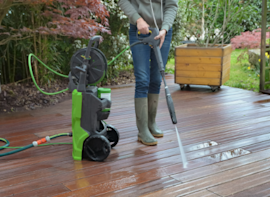
- Scrape grass from under the deck instead of blasting with a hose.
- Keep the engine area free of debris so it can cool properly.
- Replace worn cutting parts; for this model, the lawn mower blade 532406713 is a common wear item.
- Clean drive wheel areas if the mower is self-propelled and starts to drag.
- Prep fuel for storage; stale fuel is a top cause of hard starting.
Last updated: January 2026