


Does Craftsman make tillers?
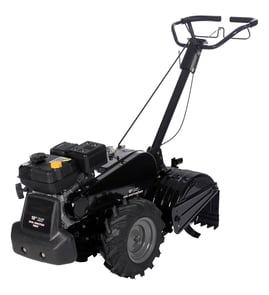
Yes. Craftsman makes tillers and tiller/cultivator models, and we support Craftsman tillers such as model 917299752 with replacement parts and repair help so you can keep your garden equipment working season after season.
What you can do for your Craftsman 917299752 tiller
- Find common wear items (belts, cables, chains, wheels, hardware) and replace them before they fail.
- Troubleshoot drive and tine issues (slipping, no movement, poor tilling depth).
- Maintain control and safety components (grips, levers, pins, retainers).
- Keep the drivetrain tight and aligned by inspecting the belt, chain, and sheaves.
- Use step-by-step DIY guidance like tiller common questions for maintenance and operating tips.
Popular parts we see replaced on this model
If your tiller won’t drive, won’t engage tines, or feels loose at the handle, these model-matched parts are common starting points:
| Symptom | What to check | Example model-matched part |
|---|---|---|
| Tines do not engage | Cable adjustment, stretched cable | Tiller clutch cable 532110675 |
| Drive slips or stops under load | Belt wear, glazing, cracking | V-belt 532132672 |
| Clicking, binding, or inconsistent drive | Chain wear or damage | Tiller chain, #25-50 532102134 |
Why it matters
Craftsman tillers are built to be serviceable. Replacing a worn clutch cable, belt, or chain restores tine engagement and forward drive, helps prevent gearcase strain, and improves tilling performance in hard soil.
Last updated: February 2026
Where to find model number on CRAFTSMAN tiller?
On a Craftsman tiller like model 917299752, the model number is usually printed on a sticker or stamped into metal near the engine. We most often see it on or near the recoil starter housing, under the engine shroud, or on the sheet metal close to the muffler or spark plug.
Common places to check first
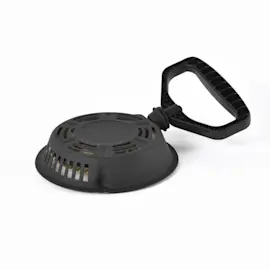
- Recoil starter (pull-start) housing: look on the top or side of the starter cover
- Under the engine shroud: remove the top cover to view the engine plate or nearby sheet metal
- Near the muffler heat shield: check the adjacent frame or engine tin
- Near the spark plug: look for a small label on the engine or nearby metal
- Handlebar support or frame rail: sometimes the tag is on the main chassis
What the model tag looks like
Most Craftsman tillers use a small label or metal tag with a few identifiers. Here is what you may see:
| Item on tag | What it means | Example |
|---|---|---|
| Model number | Identifies the tiller platform | 917299752 |
| Engine model/type | Identifies the engine (separate from tiller model) | Varies |
| Serial number | Production identifier | Varies |
Tips to make it easier to find
- Wipe dirt and oil off the recoil housing and engine shroud with a rag
- Use a flashlight and look at a shallow angle to spot stamped numbers
- Take a photo and zoom in; faded labels are often easier to read on a phone
- If the label is missing, use the parts diagrams to match assemblies (drive, tines, and gearcase)
Why it matters
The correct model number helps us match the right Craftsman tiller parts, including drive components like the tiller clutch cable 532110675 and wear items such as belts, chains, and wheels.
Last updated: February 2026
What kind of engine is on a CRAFTSMAN tiller?
For the Craftsman tiller model 917299752, the engine type depends on the specific engine installed on your unit (many tillers in this class use a horizontal-shaft, single-cylinder gasoline engine around the 200cc range). We recommend confirming by checking the engine ID tag on the engine itself and matching it to your parts list.
How to identify the exact engine on your 917299752
Look for a metal tag or sticker on the engine (often near the recoil starter housing, valve cover, or muffler shield). Record these items:
- Engine brand (commonly Briggs & Stratton, Tecumseh, or Honda-style clones on older equipment)
- Model number
- Type (or spec) code
- Code (date/serial)
Once you have those numbers, you can order engine-specific maintenance parts (spark plug, air filter, carburetor parts) with confidence.
Quick checks that help narrow it down
These visual cues usually tell you what you are working with:
- Horizontal crankshaft: typical for belt-driven tillers
- Recoil start on top/front: common on 200cc-class engines
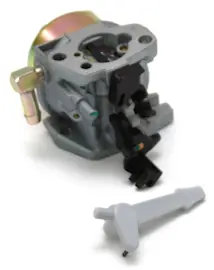
- Carburetor location: side-mounted carb with air box is typical
- Oil fill/dipstick: usually on the side of the crankcase
Related drive parts (not the engine, but often confused with it)
If the tiller “has power” but the tines do not move, the issue is often in the drive system, not the engine. These model 917299752 parts are common culprits:
Engine vs. drive system: what symptoms point to what?
| Symptom | More likely engine-related | More likely drive-related |
|---|---|---|
| Won’t start | Yes | No |
| Starts but dies under load | Yes | Sometimes |
| Runs fine but tines won’t turn | No | Yes |
| Burning rubber smell | No | Yes |
Why it matters
The tiller model number (917299752) identifies the chassis and drive components, but the engine has its own model/type code. Using the engine tag numbers prevents ordering the wrong tune-up or carburetor parts.
Last updated: February 2026
What are the common problems with lawn tillers?
Common problems on a Craftsman tiller like model 917299752 include hard starting, rough running, loss of tine power, and drive issues (wheels or tines not moving). Most failures trace back to fuel quality, ignition, belt or cable adjustment, and wear in the drive system.
Most common symptoms and likely causes
- Engine will not start: stale fuel, clogged fuel line/filter, fouled spark plug, dirty carburetor
- Engine runs rough or stalls: restricted fuel flow, dirty air filter, carburetor varnish, water in fuel
- Tines will not turn: loose or worn drive belt, stretched/misadjusted clutch cable, damaged chain/gearcase
- Wheels and tines will not turn: drive belt failure, clutch not engaging, internal drive wear
- Poor tilling performance: worn tines, incorrect depth stake setting, slipping belt
Quick checks we recommend (in order)
- Fuel: Drain old gas; refill with fresh fuel. If it sat more than 30 days, treat fuel as suspect.
- Spark: Inspect and replace the spark plug if fouled or worn.
- Airflow: Clean or replace the air filter.
- Drive engagement: Verify the clutch lever fully tightens the drive; adjust if it feels slack.
- Belt and linkage: Look for glazing, cracking, or slack in the belt and cable.
Parts that commonly fix “no drive” complaints
If the engine runs but the tiller will not pull or the tines will not engage, these model-matched parts are frequent culprits:
| Symptom | What to inspect | Model-matched part example |
|---|---|---|
| Tines do not engage | Cable tension, fraying, binding | Tiller clutch cable 532110675 |
| Slipping or no movement | Belt wear, oil contamination, stretching | V-belt 532132672 |
| Grinding or intermittent drive | Chain wear, broken links | Tiller chain, #25-50 532102134 |
Why it matters
A tiller drive system depends on correct belt tension and smooth clutch engagement. Running with a slipping belt or loose cable accelerates wear on the sheaves, chain, and gearcase, and it also reduces tilling depth and control.
Helpful DIY troubleshooting
- Tiller common questions
- Tiller engine won't start
- Tiller wheels and tines won't turn
- How to replace a tiller drive belt
Last updated: February 2026
How many horsepower tractor do you need to run a 5 ft tiller?
A 5 ft tiller typically needs about 25 to 45 PTO horsepower to work well; plan 45 to 60+ PTO horsepower for heavy clay, deep tilling, or breaking new ground. Craftsman model 917299752 is a walk-behind tiller with its own engine, so tractor horsepower does not apply to that specific machine.
Quick rule of thumb (5 ft tiller)
- Average garden soil: 5 to 7 PTO HP per foot (about 25 to 35 PTO HP total)
- Hard conditions: 8 to 12 PTO HP per foot (about 40 to 60+ PTO HP total)
- Deeper passes need more PTO HP than shallow cultivation
- Wider or heavier tillers need more PTO HP than lighter models
- Traction and tractor weight matter; wheel slip reduces effective power
Recommended PTO horsepower by conditions
| Soil and workload | PTO HP range for a 5 ft tiller | What you will notice |
|---|---|---|
| Previously worked soil, shallow passes | 25 to 35 | Smooth operation at moderate ground speed |
| Mixed soil, occasional sod | 35 to 45 | Better ability to hold PTO speed under load |
| Heavy clay, new ground, deep tilling | 45 to 60+ | Less bogging, less strain on driveline |
If you are asking because your Craftsman 917299752 feels underpowered
Since the 917299752 is self-powered, “not enough power” is usually a drive or tine-load issue, not tractor sizing. Check:
- Drive belt condition and tension (glazing, cracking, oil contamination)
- Clutch engagement and cable adjustment using the tiller clutch cable 532110675
- Tine load and soil conditions; make shallower passes first
- Chain wear or slack in the tine drive using the tiller chain, #25-50 532102134
Why it matters
Correct PTO horsepower keeps the tiller rotor at speed, improves soil breakup, and reduces stalling and driveline shock. For walk-behind tillers like the Craftsman 917299752, proper belt, clutch, and chain condition delivers the power the engine already makes.
Last updated: February 2026