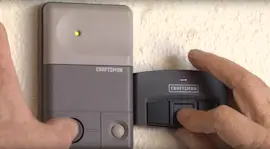
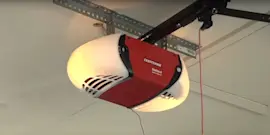
Owner’s manual
 Error Codes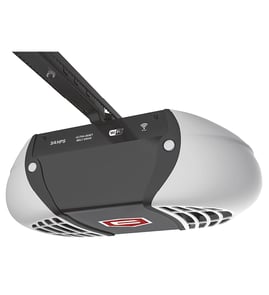


Is it cheaper to repair or replace a garage door opener?
For a Craftsman 13953924 garage door opener, it’s usually cheaper to repair when the problem is limited to setup, controls, or safety sensors; replacement makes more sense when the opener is older (typically 10 to 12+ years), has repeated failures, or the total repair cost climbs into the $300 to $500 range.
Quick decision guide (repair vs replace)
- Repair when the door won’t close due to misaligned safety sensors, minor wiring issues, or a remote/wall control problem.
- Repair when the opener fails a safety test after an adjustment and the fix is a force or travel limit correction.
- Replace when the opener has frequent breakdowns, loud operation that returns after service, or intermittent operation that keeps coming back.
- Replace when you want modern upgrades (Wi-Fi control, battery backup, quieter drive system) and your current unit is aging.
- Replace when parts availability is limited and you’re paying labor repeatedly.
Typical cost comparison
| Option | Typical total cost | Best for |
|---|---|---|
| Minor repair/adjustment | $100 to $300 | Sensor alignment, force/limit tuning, basic electrical checks |
| Moderate repair | $200 to $500 | Control board, motor-related service, gear wear symptoms |
| Replacement opener (installed) | $400 to $1,000+ | Older openers, repeated failures, feature upgrades |
Safety and reliability checks that affect the decision
Your manual emphasizes testing the safety systems after adjustments and repairs. If the opener will not pass these checks consistently, replacement often becomes the better long-term value.
- Safety Reverse System: the door must reverse when it contacts a 1-1/2 inch (3.8 cm) object (or a 2x4 laid flat) on the floor.
- Protector System (photo eyes): when the beam is blocked, the door should not close more than about an inch and the opener lights should flash.
- Door balance: an improperly balanced door can prevent proper reversing and can overload the opener.
For the exact test steps and adjustment sequence for model 13953924, follow the 13953924 owner's manual.
Why it matters
A garage door opener is a safety device as much as a convenience feature. When repairs stop being predictable, you can end up paying repeatedly while still dealing with a door that will not close reliably or will not pass the monthly safety reversal test.
Ordering parts or planning a replacement
We recommend pricing out the repair first (parts plus labor) and comparing it to a new opener installed cost. You can search by model number and shop compatible items through Sears PartsDirect.
Last updated: February 2026
What are the common problems with Craftsman garage door openers?
Common problems on the Craftsman 13953924 garage door opener fall into three buckets: safety sensor issues that prevent closing, control or remote programming/lockout problems, and drive or motor faults that cause overheating, grinding, or no movement. Our 13953924 owner's manual walks through the built-in diagnostic LED flashes and safety sensor tests.
Most common symptoms and what they usually mean
- Door will not close and opener lights blink: the safety reversing sensors are misaligned, blocked, or not wired correctly.
- Remote or keypad does nothing: lock mode may be on, the remote needs reprogramming, or the opener is seeing a control circuit fault.
- Door starts down then reverses: the door hit an obstruction, the safety beam was interrupted, or force/travel settings are off.
- Grinding noise or door will not move: common with worn drive components (gears) or a failing motor/drive system.
- Opener stops after repeated use: motor overheated; unplugging briefly resets some overheat conditions.
Quick checks we recommend first (safe, no special tools)
- Check the safety sensor LEDs: both should glow steady when aligned.
- Clear the sensor path: remove anything in the beam path; wipe the sensor lenses.
- Inspect sensor wiring: look for staples through the wire, broken/disconnected wires, or reversed black/white wiring.
- Try the wall control: some sensor problems prevent closing from a remote, but the wall control may still close the door when held.
- Run the safety reversal test: the door must reverse when it contacts a 1-1/2 inch-high object (or a 2x4 laid flat).
Diagnostic LED flash patterns (what the opener is telling you)
Your opener uses the Learn button/diagnostic LED to flash a code, pause, then repeat.
| What you notice | Common cause | What to do next |
|---|---|---|
| Sensor indicator light is dim/flashing | Sensors slightly misaligned | Realign sensors until both LEDs are steady |
| Diagnostic points to sensor wiring issue | Wire open/shorted or polarity reversed | Inspect/repair wiring and connections |
| Opener stops and won’t run until cooled | Motor overheated or RPM sensor issue | Unplug briefly to reset; check door for binding |
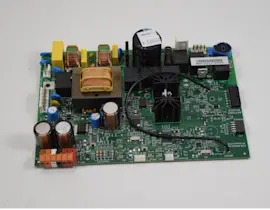
| Diagnostic indicates motor circuit failure | Logic board/receiver issue | Plan for control board troubleshooting/replacement |
Why it matters
Most “won’t close” complaints are safety-related by design. A misaligned or obstructed safety reversing sensor stops the door from closing to help prevent injury and property damage.
For repair parts and diagrams for Craftsman 13953924, start with the parts list for this model; you can also search by model number on Sears PartsDirect.
Last updated: February 2026
What is the life expectancy of a Craftsman garage door opener?
A Craftsman garage door opener typically lasts 10 to 15 years. With model 13953924, consistent maintenance and correct safety testing (travel limits, force, and safety sensors) help you reach that range and avoid premature wear on the motor unit and drive system.
Typical lifespan and what changes it
Most openers land in the same general window, but real-world life depends on how hard the system works.
- Cycles per day: more opens and closes equals faster wear
- Door balance: a heavy or unbalanced door strains the motor and gears
- Force and travel settings: incorrect adjustments can cause repeated reversals and stress
- Safety sensor alignment: misalignment can prevent closing and increase cycling
- Routine care: lubrication and hardware checks reduce friction and noise
What to maintain on a schedule
Use the maintenance and testing steps in the 13953924 owner's manual as your baseline.
| Task | How often | What it prevents |
|---|---|---|
| Test safety reversing sensor and Protector System | Monthly | Door not reversing when it should, nuisance no-close issues |
| Check door balance (manual lift test) | 2 times per year | Motor overload, gear wear |
| Inspect rail, trolley, and door arm fasteners | 2 times per year | Rattling, binding, uneven travel |
| Verify travel limits and force settings | As needed after changes | Reversals, slamming, incomplete open/close |
Signs your opener is near end of life
These symptoms usually mean the drive system or motor unit is wearing out, or the door is creating excess load.
- Door starts moving, then stops or reverses repeatedly
- Excessive grinding, squealing, or popping from the motor unit or rail
- Remote or wall control works intermittently (after batteries and wiring are ruled out)
- Lights blink with a repeating diagnostic pattern
- You need frequent force adjustments to get consistent closing
For diagnostic blink patterns and troubleshooting paths, use Craftsman error codes.
Why it matters
A garage door opener that is out of adjustment or operating a poorly balanced door wears out faster and can fail safety tests. Keeping the travel, force, and safety sensors dialed in protects the opener and helps the door close reliably.
If you are planning a repair, we recommend looking up your model 13953924 parts by diagram and ordering through Sears PartsDirect.
Last updated: February 2026
Where can I buy Craftsman garage door opener parts?
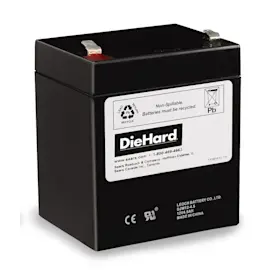
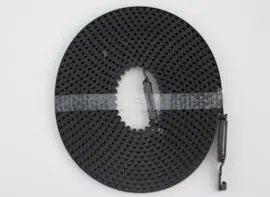
You can buy replacement parts for your Craftsman garage door opener model 13953924 through our parts listings and diagrams, then use the model number to match the exact motor unit, rail assembly, remote, wall control, or safety sensor parts you need. For part identification, use the 13953924 owner's manual.
Best way to find the right part for model 13953924
We recommend using the model number first, then confirming the part by function and location in the opener.
- Match the part to the correct assembly: motor unit, rail/trolley, door arm, or safety reversing sensors
- Confirm accessory type (remote control, keyless entry, wall control) before ordering
- Check whether your door height needs an extension rail (for example, 8-foot door setups)
- Verify wiring and mounting style for safety sensors (brackets, bell wire routing)
- Use the manual diagrams to avoid ordering a similar looking but incompatible part
Common parts and accessories people replace
The 13953924 manual lists several common accessories and add-ons that are frequently purchased or replaced.
| Item type | What it does | When you typically need it |
|---|---|---|
| Safety reversing sensors | Prevents closing on an obstruction | Door will not close, lights blink, sensors misaligned |
| Remote control / keyless entry | Operates the opener from car or keypad | Lost remote, adding users, intermittent range |
| Rail extension / support brackets | Supports travel and mounting | 8-foot doors, finished ceilings, extra support needed |
| Emergency key release | Allows manual release from outside | Garage has no access door |
Why it matters
Garage door opener parts are safety-critical. The manual specifies that the door must reverse when it contacts a 1-1/2 inch high object (or a 2x4 laid flat), and it also notes that repairs to springs, cables, and other high-tension door hardware must be handled by a trained door systems technician. Using the correct parts helps the opener reverse properly and operate safely.
Helpful troubleshooting content
If you are buying parts because the opener is flashing lights or showing a diagnostic pattern, use our Craftsman error codes guide to narrow down the failed component before ordering.
Ordering options
If you do not see what you need listed for model 13953924, search by model number in our broader catalog on Sears PartsDirect.
Last updated: February 2026