Error Codes

How long is a Frigidaire refrigerator supposed to last?
Most Frigidaire refrigerators, including the FRS26ZSHB5 side-by-side, are built to last 10 to 15 years in normal household use. Consistent temperatures, clean airflow, and good door sealing are the biggest factors that determine whether you land closer to 10 years or closer to 15.
What affects lifespan the most
- Condenser airflow and cleanliness: Dust buildup makes the compressor run hotter and longer.
- Door gasket condition: Air leaks force longer run times and can cause frost issues.
- Ice maker and water system upkeep: Clogs and leaks add stress and can create damage.
- Stable temperature settings: We recommend about 37°F for fresh food and 0°F for freezer.
- How often doors are opened: Heavy use increases run time and wear.
Quick maintenance checklist (15 minutes, a few times a year)
- Vacuum dust from the grille area and nearby coils (if accessible).
- Confirm doors close on their own and seal evenly all the way around.
- Replace the water filter on schedule; a restricted filter can reduce water flow and ice production.
- Keep vents inside the refrigerator and freezer clear of food packages.
- Level the cabinet so doors align and seal correctly.
Common “end-of-life” symptoms vs. fixable issues
| Symptom | Often fixable? | What it usually points to |
|---|---|---|
| Warm fridge/freezer but fan noise changes | Yes | Airflow or evaporator fan issue; see how to fix your evaporator cooling fan |
| Water leaking or puddles | Yes | Drain or defrost drainage issue |
| Ice maker stops making ice | Yes | Water supply, filter restriction, or ice maker component |
| Loud constant running and poor cooling | Sometimes | Dirty coils, sealed system, or compressor wear |
Why it matters
A refrigerator that runs longer than it should uses more electricity and puts extra wear on key components like the compressor and fans. Simple upkeep can prevent temperature swings that spoil food and shorten the life of the sealed system.
Last updated: February 2026
What is the most common problem with a Frigidaire refrigerator?
The most common Frigidaire refrigerator issue we see (including on model FRS26ZSHB5) is a cooling problem: the freezer stays cold but the fresh food section warms up. This is usually caused by restricted airflow from frost buildup, a weak evaporator fan, or dirty condenser coils.
Most common symptoms customers notice
- Freezer temperature seems normal, but the refrigerator side is 40°F or higher
- Little to no air blowing from the refrigerator vents
- Frost or ice buildup on the freezer back wall
- Food spoils faster, especially on upper shelves
- Ice maker or water dispenser performance becomes inconsistent
Quick checks that solve many “not cooling” complaints
- Check airflow: Make sure vents are not blocked by food packages.
- Look for frost buildup: Heavy frost on the freezer rear panel points to a defrost problem.
- Clean condenser coils: Dust buildup makes the compressor run longer and reduces cooling.
- Listen for the evaporator fan: If you do not hear it running when the compressor is on, airflow will suffer.
- Confirm door sealing: A poor seal lets humid air in and drives frost and temperature swings.
Common causes and what they typically affect
| Likely cause | What you’ll usually see | Typical next step |
|---|---|---|
| Evaporator fan issue (fan not moving air) | Freezer cold, fridge warm; weak airflow | Inspect fan area; if the blade is damaged, replace the refrigerator evaporator fan blade 5308000010 |
| Defrost system issue | Frost/ice on freezer back wall; airflow drops | Defrost and diagnose components; a failed thermostat 297216600 is a common fix |
| Dirty condenser coils | Warm temps in both sections; long run times | Clean coils and toe grille area |
| Door gasket leak | Frost near door edges; moisture; temp swings | Inspect and replace gasket if torn (common on older units) |
Why it matters
A side-by-side like the Frigidaire FRS26ZSHB5 cools the refrigerator section by moving cold air from the freezer. When airflow is restricted (ice buildup, fan problems, or sealing issues), the refrigerator warms first even though the freezer still feels “fine.”
Helpful DIY guides we recommend
Last updated: February 2026
Is FRS26ZSHB5 garage ready?
The Frigidaire FRS26ZSHB5 side-by-side refrigerator is not considered “garage ready” in the way newer garage-rated models are; in most garages, temperature swings can cause poor cooling, warm fresh-food temps, or ice maker issues. For reliable performance, we recommend placing it in a climate-controlled space.
What “garage ready” means (and why it matters)
A garage-ready refrigerator is designed to run correctly across a wider ambient temperature range. Older side-by-side units like the FRS26ZSHB5 typically rely on room-temperature conditions to keep the thermostat and sealed system operating as intended.
Why it matters
- Hot garages can raise cabinet temps and increase run time
- Cold garages can prevent the compressor from running enough
- Ice maker and dispenser performance can become inconsistent
- Food safety can be affected if fresh-food temps rise above 40°F
What we recommend for FRS26ZSHB5 in a garage
Use these practical guidelines to avoid temperature and ice maker problems:
- Keep the refrigerator where ambient temps stay roughly 55°F to 90°F
- Leave airflow clearance around the cabinet (especially behind and above)
- Clean condenser area regularly to help heat rejection
- If you notice weak ice production, verify the freezer is holding 0°F
- If water dispensing slows after a filter change, purge air from the line
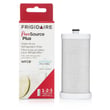
If you are using the dispenser or ice maker, staying on top of filtration also helps reduce flow restrictions; the Frigidaire puresource plus refrigerator water filter WFCB is the listed filter option for this model.
Quick decision guide
| Garage condition | Expected result with FRS26ZSHB5 | Best next step |
|---|---|---|
| Heated/cooled year-round | Usually OK | Monitor temps for 24 hours |
| Hot summers (90°F+) | Struggles to keep up | Move indoors or add cooling |
| Cold winters (below ~55°F) | Compressor may not run enough | Avoid garage placement |
Helpful DIY resources
- How to prevent water dispenser and ice maker problems
- How to purge air from a refrigerator water dispenser video
Last updated: February 2026
How do I clear the error code on my Frigidaire refrigerator?
On a Frigidaire FRS26ZSHB5 side-by-side refrigerator, we clear many error codes by doing a full power reset first; if the code returns, the control is detecting an ongoing problem (cooling, defrost, fan, or ice and water) that needs troubleshooting rather than repeated resets.
Step-by-step: clear the code safely
- Unplug the refrigerator (or switch the breaker off) for 5 minutes.
- Restore power and wait 2 to 5 minutes for the control to reboot.
- Check whether the code returns after the unit starts running again.
- If the code is tied to the ice and water system, replace the water filter if it is overdue (a restricted filter can trigger symptoms that lead to alerts).
- If the code returns quickly, stop resetting and move to diagnosis so you do not miss a real cooling or defrost issue.
What to check next (common causes)
Many Frigidaire side-by-side error conditions are caused by airflow, temperature sensing, or ice and water problems. Check these basics:
- Doors closing and sealing; look for gaps, frost, or warm air leaks
- Air vents not blocked by food packages
- Evaporator fan running (you should typically hear it when the compressor is on)
- Heavy frost on the freezer back wall (points to a defrost problem)
- Ice maker and dispenser issues (jams, no water fill, slow water flow)
Quick guide: reset vs. repair
| What you see | What it usually means | What to do |
|---|---|---|
| Code clears after power reset and stays off | Temporary control glitch | Monitor for 24 hours |
| Code clears but returns within minutes/hours | Active fault still present | Use the code list and troubleshoot |
| Cooling is weak, frost builds up, or fan is noisy | Airflow/defrost/fan issue | Diagnose fan/defrost system |
Helpful resources for this model
- Use the code list and definitions in Frigidaire refrigerator error codes to match the exact code to the right checks.
- If the issue is water-flow related, follow how to replace the water filter in a Frigidaire refrigerator and install the correct filter for this model, such as Frigidaire puresource plus refrigerator water filter WFCB.
Why it matters
An error code is the control board telling us it is seeing abnormal temperatures, sensor readings, or component operation. Clearing the display is useful after a glitch, but a repeating code helps pinpoint the system that needs repair so food stays at safe temperatures.
Last updated: February 2026
How to defrost a Frigidaire side-by-side refrigerator?
To defrost your Frigidaire FRS26ZSHB5 side-by-side refrigerator, we recommend starting with a simple power reset and a full manual defrost: move food to a cooler, unplug the refrigerator, leave both doors open, and let all frost melt completely before restarting. This restores airflow and cooling when frost buildup is blocking the evaporator.
Quick manual defrost steps (safe and effective)
- Unplug the refrigerator (or switch off the breaker).
- Remove items from the freezer; protect food in a cooler.
- Open both doors; place towels to catch water.
- Speed it up with bowls of hot water on shelves (replace as they cool).
- Never use sharp tools to chip ice; you can puncture the evaporator.
- When ice is gone, wipe dry and restart; allow 12 to 24 hours to stabilize temps.
If you need a “forced defrost” style reset
Many Frigidaire side-by-side models can enter a diagnostic or forced defrost mode where the compressor and fans stop and the defrost heaters run. Because button sequences vary by control style, use the safe manual defrost above first, then use our Frigidaire-specific guidance in Frigidaire refrigerator error codes to identify the correct test mode approach for your control.
What to check after defrost (to prevent repeat frost)
If frost returns quickly, a defrost system or airflow issue is likely. Check these common causes:
- Door not sealing: inspect the gasket for gaps, rips, or warping.
- Blocked drain: clear ice and debris; a clogged drain refreezes and builds frost.
- Evaporator fan not running: listen for the fan in the freezer when the door switch is pressed.
- Defrost thermostat issue: a failed thermostat can stop the heater from cycling.
- Overpacked freezer: blocked vents reduce airflow and cause icing.
Helpful parts for this model
| Symptom | Part that often relates | Model-matched example |
|---|---|---|
| Frost buildup returns fast | Defrost thermostat | Thermostat 297216600 |
| Warm freezer, weak airflow | Evaporator fan area | Refrigerator evaporator fan blade 5308000010 |
| Water pooling, ice under bins | Drain system | Refrigerator drain tube 241957901 |
Why it matters
Heavy frost on the evaporator acts like insulation; it blocks airflow and prevents the refrigerator from moving cold air into the freezer and fresh food sections. A complete defrost restores airflow, and checking the gasket, drain, and fan helps stop the problem from coming back.
Last updated: February 2026