Owner’s manual
 Error Codes



What is the most common problem with GE refrigerators?
The most common issue we see with GE refrigerators like model GNS23GMHBFES is a cooling problem (too warm in the fresh food section or freezer). It’s usually caused by restricted airflow, dirty condenser coils, or a defrost system problem that lets frost build up and block air movement; check the GNS23GMHBFES owner's manual for model-specific troubleshooting steps.
Most common symptoms and what they usually point to
- Refrigerator or freezer too warm: airflow restriction, condenser coil needs cleaning, evaporator fan issue, or temperature sensing/control issue
- Food freezing in the refrigerator section: food placed too close to the rear air vent, or temperature set too cold (the manual notes moving food away from the vent and adjusting the control warmer)
- Water leaking or puddles: commonly a clogged/iced defrost drain or a water supply connection issue
- Ice maker slow or not making ice: door left open, freezer not cold enough, or ice cubes jammed in the ice maker (the manual notes piled-up cubes can shut the ice maker off)
- Odors: interior needs cleaning or uncovered foods (the manual recommends baking soda and regular cleaning)
Quick checks we recommend before replacing parts
- Confirm the doors seal and close fully; a door held open by a package can cause warm temps and slow ice production.
- Make sure vents inside the refrigerator are not blocked by food containers.
- Set temperatures back to normal and give the unit time to stabilize (cooling changes can take several hours).
- Clean dust from the condenser area (restricted heat removal can cause poor cooling).
- If you see heavy frost on the freezer back wall, suspect a defrost problem.
Parts that commonly relate to cooling and temperature complaints
| Symptom | Common system involved | Example part for GNS23GMHBFES |
|---|---|---|
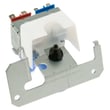
| Too warm, temps swing | Temperature sensing/control | Refrigerator temperature sensor WR55X10025 |
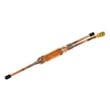
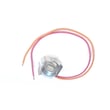
| Frost buildup, warm temps | Defrost system | Refrigerator defrost heater WR51X10108 or refrigerator defrost bi-metal thermostat WR50X10069 |
| Warm fridge, weak airflow | Evaporator airflow | Refrigerator evaporator fan motor WR60X10277 |
Why it matters
Cooling problems can lead to food spoilage and extra compressor run time. Catching airflow restrictions, defrost frost buildup, or a failing sensor early helps your GE bottom-mount refrigerator hold steady temperatures and run more efficiently.
You can order replacement parts for GNS23GMHBFES from the parts list for this model, or search by model number on Sears PartsDirect.
Last updated: February 2026
How to remove bottom grille on GE refrigerator?
On the GE GNS23GMHBFES bottom-mount refrigerator, we remove the bottom (base) grille by taking out the two Phillips-head screws, then pulling the grille away. Reinstalling is the reverse: position the grille and reinstall the same two screws per the GNS23GMHBFES owner's manual.
Steps to remove the bottom (base) grille
- Unplug the refrigerator (recommended anytime you are working near wiring or the condenser fan area).
- Locate the two Phillips-head screws securing the base grille (typically one on each side).
- Remove both screws.
- Pull the base grille straight out and set it aside.
- If you are leveling the refrigerator, adjust the leveling legs as needed while the grille is off.
Reinstalling the grille
- Align the grille tabs/edges with the openings at the bottom front of the cabinet.
- Push the grille into place so it sits flush.
- Reinstall the two Phillips-head screws and tighten until snug.
What you may need
| Item | Why you need it |
|---|---|
| Phillips screwdriver | Removes and reinstalls the two grille screws |
| Work gloves | Helps protect hands from sharp edges |
| Vacuum with brush attachment | Good time to clean dust from the toe-kick area |
Why it matters
We remove the base grille for access during leveling, cleaning, and some service tasks. Keeping the grille installed and the area clean helps airflow around the condenser area, which supports steady cooling and efficient operation.
If your grille is cracked or will not stay secured, check the parts list for your model on this page, or search by model number on Sears PartsDirect.
Last updated: February 2026
Is there a fan on the bottom of the refrigerator?
Yes. Your GE GNS23GMHBFES bottom-mount refrigerator uses fans as part of normal cooling; you can also feel warm air coming from the bottom area because the cooling system rejects heat there. Fan speed can change, and higher-speed fan noise is normal during heavy cooling.
What you may notice at the bottom (and why)
- Warm air under the refrigerator: normal airflow that cools the compressor area.
- A steady “whir” sound: fans can run at higher speeds after plugging in, frequent door openings, or adding a lot of food.
- Fan speed changes: the refrigerator varies fan speed to maintain temperatures and save energy.
- More fan activity during rapid cooling: features like TurboCool (on some models) can run the compressor immediately and cycle fans at high speed.
Quick checks if you suspect a bottom fan problem
- Confirm the unit is level; leveling legs that are off can cause door issues and affect airflow patterns.
- Listen for airflow changes after closing doors; fan speed often ramps up after door openings.
- Check for blocked vents inside; keep food away from air vents so air can circulate properly.
- Clean dust from the lower area (with power off); dust buildup around the condenser area can reduce cooling efficiency.
Parts that relate to airflow and cooling (common culprits)
If cooling is weak, noisy, or inconsistent, these model-specific parts are often involved:
| Symptom | Common area | Example part for GNS23GMHBFES |
|---|---|---|
| Warm fridge, freezer OK or noisy airflow | Evaporator airflow | Refrigerator evaporator fan motor WR60X10277 |
| Hot cabinet sides or poor heat removal | Condenser airflow | Condenser motor WR60X10209 |
| Temps swing or seem inaccurate | Temperature sensing | Refrigerator temperature sensor WR55X10025 |
Why it matters
That bottom airflow helps remove heat from the sealed system. When airflow is restricted (dust, blocked vents, failing fan motor), the compressor runs longer, temperatures drift, and energy use goes up.
For model-specific operating notes and normal sounds, use the owner's manual. For replacement parts, order from the parts list for this model or search by model number on Sears PartsDirect.
Last updated: February 2026