 Owner’s manual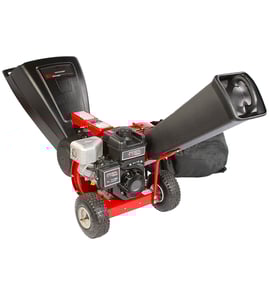


Are wood chippers worth buying?
Yes, a wood chipper is worth buying when you regularly handle branches, leaves, and brush and want to reduce hauling while making mulch. For the Craftsman 247775890 chipper/shredder, it is most worthwhile when you use it often and operate within the feed limits in the 247775890 manual.
Owning is the better choice when you:
- Do seasonal cleanups multiple times per year (pruning, leaf drop, storm debris)
- Generate enough brush that repeated rentals cost more than ownership
- Want mulch on demand for landscaping and soil building
- Have storage space and can perform routine maintenance
- Prefer not to schedule rentals or transport a rental unit
This chipper/shredder is designed to chip and shred normal yard vegetation. The operating guidance in the manual calls out two feed methods:
| Feed location | Best for | Max size |
|---|---|---|
| Hopper assembly | Leaves and small branches | Up to 1/2-inch diameter |
| Chipper chute | Bulky material and heavier branches | Up to 3-inch diameter |
A chipper is “worth it” when you plan for wear items and safe operation.
- Cutting parts wear with normal use; dull edges reduce performance and increase clogging
- Off-season storage steps (fuel system care, cleaning) prevent hard starting later
- Safe feeding matters; use the tamper tool when pushing material, not your hands
- Keep the work area clear and keep children and pets away during operation
Matching the machine to your debris volume and staying within the hopper and chute size limits prevents jams, reduces wear on blades and flails, and helps the chipper/shredder run safely and efficiently.
Last updated: January 2026
Can a chipper shredder handle wet leaves?
Yes. Your Craftsman chipper/shredder model 247775890 can shred leaves, but wet leaves mat together and commonly clog the hopper and discharge area, which slows output and can make the engine bog down. For best results, shred leaves that are only slightly damp (see the 247775890 owner's manual).
- Let leaves dry for a few hours (or overnight) before shredding.
- Mix damp leaves with dry leaves or small twigs to keep material moving.
- Feed small amounts at a steady pace; do not pack the hopper.
- Use the tamper to push material as needed; never use your hands.
- If the unit plugs, shut it down and clear the buildup only after everything stops.
Wet leaves can plug the internal screen and discharge area. Use this quick checklist:
| Symptom | Likely cause | What to do |
|---|---|---|
| Discharge slows a lot | Leaves are too wet and matting | Feed smaller batches; mix in dry material |
| Material becomes stringy | Cutting edges are dull | Sharpen or replace the cutting blades |
| Frequent plugging | Screen/discharge area packed | Shut down safely; clear buildup |
Wet material increases load on the impeller and can block the flail screen area, which reduces shredding efficiency and leads to repeated stalling and messy clogs. Keeping material reasonably dry also improves bagging and overall performance.
Last updated: January 2026
What is the difference between a chipper shredder and a chipper shredder?
On the Craftsman 247775890 chipper/shredder, “chipping” and “shredding” are two different functions: chipping handles thicker branches through the chipper chute, while shredding breaks down leaves and small twigs through the hopper. This model is designed to do both; see the 247775890 owner's manual.
- Shredding (hopper): leaves and small branches up to 1/2 inch diameter feed into the hopper.
- Chipping (chipper chute): bulky material and branches up to 3 inches diameter feed into the chipper chute.
- Feeding safety: if you need to push material, use the tamper, not your hands.
- Bagging: the smaller chip bag is for chips; the larger leaf bag is for shredded leaves.
| Function | Where you feed it | Best for | Typical output |
|---|---|---|---|
| Shredding | Hopper assembly | Leaves, twigs, small branches | Finer mulch-like material |
| Chipping | Chipper chute | Heavier branches | Coarser chips |
- Feed material within the stated size limits to reduce clogs and kickback.
- Mix dry leaves with small twigs so the shredder grabs and processes material more consistently.
- If the unit starts clogging more often, shut it off, disconnect the spark plug wire, then clear packed debris from the hopper or chute.
- If the unit runs out of fuel while chipping or shredding, clear any clog before restarting.
Using the correct feed area for the material protects the cutting system, reduces jams, and helps you get the chip size or mulch texture you want while operating safely.
Last updated: January 2026