Installation guide
 Owner’s manual


What brand of dryer lasts the longest?
Speed Queen dryers typically last the longest, with many units running 20 to 25 years in normal home use because they are built with more commercial-style components. For mainstream residential brands, Whirlpool, Maytag, and GE commonly run about 10 to 15 years with proper venting, cleaning, and timely part replacement (like a lint screen or thermostat). For care details specific to your GE GTD42GASJ0WW gas dryer, use the owner's manual.
Typical dryer lifespan by brand tier
These are practical, real-world ranges we see most often for full-size dryers:
| Brand tier | Examples | Typical lifespan | Best for |
|---|---|---|---|
| Commercial-style | Speed Queen | 20 to 25 years | Maximum longevity, heavier build |
| Mainstream residential | Whirlpool, Maytag, GE | 10 to 15 years | Balanced cost, parts availability |
| Value-focused residential | Varies by model line | 8 to 12 years | Lower upfront cost |
What matters more than the logo
Even the longest-lasting brand will wear out early if airflow and heat control are poor. We recommend focusing on:
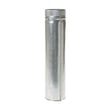
- Short, straight venting with 4-inch metal ducting (avoid crushed or overly long runs)
- Lint control: clean the screen every load and keep the lint path clear
- Stable heat: overheating shortens thermostat life and can damage wiring
- Gentle loading: chronic overloading accelerates drum support and bearing wear
- Fix small issues early: a noisy drum glide or weak start button often becomes a bigger repair
GE GTD42GASJ0WW maintenance that extends life
Your manual and installation guide emphasize that improper venting increases drying time, energy use, lint buildup, and can reduce dryer life. Use these model-appropriate habits:
- Keep the exhaust run as short as possible; avoid extra elbows
- Do not crush or collapse the duct behind the dryer
- Use rigid metal ducting where possible; avoid plastic ducting
- Replace worn airflow and heat-control parts when symptoms start
Parts that commonly affect longevity
If performance drops, these model-compatible parts are common fixes:
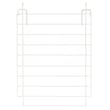
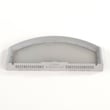
- GE dryer lint screen WE03X23881 (airflow restriction and long dry times)
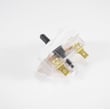
- Dryer operating thermostat WE04X25201 (cycling temperature control)
- Dryer high-limit thermostat WE04X26138 (overheat protection)
Why it matters
A dryer that lasts longer is usually the one that maintains proper airflow and correct operating temperature. Good venting and routine lint removal reduce strain on the motor, burner system, and thermostats, which are some of the most failure-prone areas in gas dryers.
You can order replacement parts for GE GTD42GASJ0WW from the parts list for this model, or search by model number on Sears PartsDirect.
Last updated: February 2026
What is the life expectancy of a gas dryer?
A gas dryer typically lasts 10 to 13 years. For your GE GTD42GASJ0WW gas dryer, consistent lint and vent cleaning, correct installation clearances, and quick repair of wear parts (like drum glides and thermostats) are what most often push lifespan toward the high end.
Typical lifespan and what changes it
Most gas dryers land in a fairly tight range, but real-world life depends on heat stress, airflow, and mechanical wear.
- Average life expectancy: 10 to 13 years
- Heavy use (multiple loads daily): tends to shorten life
- Restricted venting or lint buildup: overheats components and shortens life
- Good airflow and routine maintenance: extends life and improves dry times
Maintenance that extends life (high impact)
Use these habits to reduce overheating and wear on your GE dryer.
- Clean the lint screen every load; replace a damaged screen such as the GE dryer lint screen WE03X23881.
- Keep the exhaust vent run short and clear; remove lint from the duct and outside hood regularly.
- Maintain proper installation clearances and ventilation (especially in closets); follow the installation guide.
- If dry times increase, address airflow first before replacing parts.
- If the drum starts squealing or scraping, inspect wear surfaces early to prevent drum damage.
Wear parts that commonly affect longevity
These parts do not set the dryer’s “age limit,” but failures can make an older dryer feel worn out fast.
| Symptom | Common area | Example part for GTD42GASJ0WW |
|---|---|---|
| Squealing, scraping, thumping | Drum support/friction surfaces | Dryer drum glide bearing WE03X37319 |
| Overheating, shuts off, long dry times | Temperature control/airflow | Dryer operating thermostat (model-specific) |
| No heat (gas model) | Ignition system | Igniter (model-specific) |
Why it matters
A gas dryer’s lifespan is usually limited by heat and friction. Good venting keeps temperatures stable, and catching drum-support wear early prevents secondary damage to the drum, blower, and motor.
Ordering parts
We list replacement parts for GE GTD42GASJ0WW on this model page; for broader model lookups and ordering, use Sears PartsDirect.
Last updated: February 2026
How much does it cost to replace a heating element in a GE dryer?
GE gas dryers like model GTD42GASJ0WW do not use a traditional electric heating element; they heat with a gas burner system. Typical repair cost depends on which heating component failed (igniter, gas valve, thermostats) and whether you DIY or hire service; parts are often $10 to $250+, plus labor.
What you actually replace on a GE gas dryer (instead of a heating element)
On GTD42GASJ0WW, “no heat” repairs usually involve one of these parts:
- Igniter (common no-heat cause): igniter WE04X25996
- High-limit thermostat (overheat protection): dryer high-limit thermostat WE04X26138
- Operating thermostat (temperature control): dryer operating thermostat WE04X25201
- Gas valve assembly (fuel control): dryer gas valve assembly WE03X23916
- Burner and gas valve assembly (larger assembly): dryer burner and gas valve assembly WE03X29452
Typical cost ranges (parts only)
Actual pricing varies by the exact part needed and availability, but these ranges are typical for GE gas dryer heat repairs.
| Repair scenario | Common part(s) | Typical parts cost |
|---|---|---|
| Dryer tumbles but won’t heat | Igniter or thermostat | $10 to $60 |
| Heats sometimes, then stops | Operating thermostat or high-limit thermostat | $10 to $50 |
| No flame even with good igniter | Gas valve assembly | $120 to $200 |
| Multiple burner components replaced together | Burner and gas valve assembly | $180 to $300+ |
Before you buy parts: quick checks that affect cost
These checks often prevent replacing the wrong part:
- Confirm the dryer is set to a heated cycle (not Air Fluff or no-heat).
- Clean the lint screen and check airflow; restricted venting can trip thermostats.
- Inspect the vent connection and ducting; rigid metal ducting is recommended for best performance.
- If the dryer overheats or shuts heat off, address vent restrictions first.
- Use the wiring diagram and troubleshooting steps in the owner's manual to match symptoms to the right component.
Why it matters
A “heating element” quote usually applies to electric dryers. On a GE gas dryer, the most cost-effective fix is identifying the failed burner-side part (often the igniter or a thermostat) and correcting any venting issues that caused overheating.
If you need to order parts for GTD42GASJ0WW, start with the parts list for this model, or search by model number on Sears PartsDirect.
Last updated: February 2026
What is the most common problem with a GE dryer?
For the GE GTD42GASJ0WW gas dryer, the most common problems we see are no heat or long dry times, and the #1 underlying cause is often restricted airflow from a clogged lint filter or venting. A close second is a start or run issue caused by power, controls, or a worn mechanical part.
Most common issues (and what they usually point to)
- No heat (drum tumbles but clothes stay cool): gas supply off, ignition or temperature safety parts
- Long dry times: lint buildup, crushed or too-long vent duct, blocked exterior vent hood
- Dryer will not start: power supply issue, timer/control problem, start switch problem
- Stops mid-cycle or overheats: restricted venting causing high temperatures and safety shutdown
- Squealing, scraping, thumping: worn drum support parts (glides, bearings, idler pulley)
Quick checks we recommend first
These steps solve a large share of GE dryer complaints without replacing parts.
- Clean the lint screen before every load; replace it if torn or warped (see GE dryer lint screen WE03X23881).
- Confirm the vent is 4-inch rigid metal or UL-listed transition duct; do not use plastic.
- Check the outside vent hood for a stuck flap, lint mat, or bird nest.
- Verify the dryer is plugged in and the house breaker or fuse is not tripped.
- For gas models, confirm the gas shutoff valve at the dryer and the main shutoff are fully on.
Common symptom-to-part map for GTD42GASJ0WW
| Symptom | Most likely category | Parts on this model page that often relate |
|---|---|---|
| Tumbles, no heat | Ignition or safety temperature control | Igniter WE04X25996, dryer high-limit thermostat WE04X26138, dryer operating thermostat WE04X25201 |
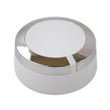
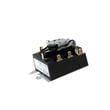
| Won’t start or won’t advance | Control/timer/knob | GE dryer timer WE04X24550, dryer timer knob (white) WE01X24552, dryer power and start button WE04X24719 |
| Noisy drum movement | Drum support or belt tension | Dryer drum glide bearing WE03X37319, dryer drum glide bearing, upper WE03X37320, dryer idler pulley WE03X31620 |
Why it matters
Airflow problems do more than slow drying; they can make a gas dryer run hotter than designed, trigger high-limit protection, and shorten the life of parts like thermostats and igniters. Following the venting rules in the installation guide helps prevent repeat failures.
You can order replacement parts for GE GTD42GASJ0WW from the parts list for this model, or search by model number on Sears PartsDirect.
Last updated: February 2026