


What is the average lifespan of a GE dishwasher?
A GE dishwasher typically lasts 10 to 12 years. For your GE GSD640L-20, lifespan depends most on water quality, how often it runs, and basic upkeep like keeping the wash system clear and fixing small leaks early.
Typical lifespan range (what to expect)
- Average: 10 to 12 years
- Common overall range: 8 to 15 years
- Heavy daily use or hard water: often shortens life
- Light use and good maintenance: often extends life
| Usage pattern | What usually happens | Expected lifespan |
|---|---|---|
| 1 load/day | Normal wear on pump, seals, racks | 10 to 12 years |
| 2+ loads/day | Faster wear on motor, heater, door seal | 8 to 10 years |
| 3 to 5 loads/week | Slower wear overall | 12 to 15 years |
What shortens a dishwasher’s life fastest
- Running with clogged spray paths or heavy food debris
- Hard water scale buildup on the heater and internal passages
- Leaks that go uncorrected (door seal, hose connections, pump seal)
- Overloading racks, which stresses rollers and rack welds
- Skipping routine cleaning, which increases strain on the wash motor
Maintenance that helps you reach the high end of the range
- Clean the tub and wash area regularly using the steps in how to clean and maintain your dishwasher
- Check for slow draining and correct it early (kinks, clogs, or a restricted hose)
- Keep the door sealing surfaces clean; wipe the gasket area after messy loads
- Use the right detergent amount for your water conditions
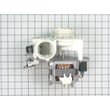
- Address weak washing promptly; a failing wash motor can worsen quickly (see asm mech WD26X10013)
Why it matters
Dishwashers usually fail from wear parts (pump and motor, heater, door seal, drain components) rather than the tub itself. Simple upkeep reduces strain on those parts and helps your GE GSD640L-20 run longer with better cleaning and drying.
Last updated: February 2026
How do you reset the control panel on a GE dishwasher?
On the GE GSD640L-20 dishwasher, we reset the control panel by canceling the current cycle first, then doing a short power reset. This clears most “frozen” keypads and many temporary control glitches after a power blip or an interrupted cycle.
Quick reset steps (most common)
- Press Start/Reset and hold for 3 to 5 seconds to cancel the cycle.
- Wait 1 to 2 minutes for the dishwasher to drain (if it was running).
- If the panel is still unresponsive, turn OFF power at the breaker (or unplug) for 1 to 5 minutes.
- Restore power, then press Start/Reset once.
- Start a new cycle and listen for the fill and wash motor to begin.
If the dishwasher still will not respond
These checks help separate a control “lockup” from a door-latch or power issue:
- Confirm the door is fully closed and latched; a misaligned latch can prevent the control from starting.
- Check the house breaker and any wall switch that controls the dishwasher.
- If the unit has power but will not run, test the door switch circuit; a failed door switch can mimic a bad control.
- If it starts but stops mid-cycle, look for draining problems or a stuck drain mechanism.
Common parts related to “won’t start” symptoms
| Symptom | What to check | Example part for this model |
|---|---|---|
| No start when door closes | Door switch/interlock | Interlock switch WD21X10261 |
| Hums, won’t wash | Pump and motor | Asm mech WD26X10013 |
| Won’t drain after reset | Drain path/actuator | Solenoid WD21X802 |
Why it matters
A proper reset cancels a stuck cycle and clears minor electronic faults without replacing parts. If the dishwasher repeatedly needs resets, the root cause is usually a door switch issue, a drain problem, or a failing motor circuit.
Related troubleshooting help
For models with electronic controls, matching the symptom to the fault display speeds up diagnosis; use our GE dishwasher error codes guide.
Last updated: February 2026
Can a clogged drain cause an FTD error?
Yes. On the GE GSD640L-20 dishwasher, an FTD (fail to drain) error commonly happens when water cannot leave the tub fast enough, and a clogged drain path is one of the most frequent causes (filter area, drain hose, air gap, or disposal connection).
What to check first (fast, no-parts steps)
- Cancel the cycle and let the unit try to drain; listen for the drain motor running.
- Remove standing water (cup or wet/dry vac) so you can see the sump area.
- Clear debris from the tub drain area and any screens you can access.
- Check the sink/disposal inlet where the dishwasher drain hose connects; clear the port.
- If you have an air gap, remove the cap and clean out buildup.
- Inspect the drain hose routing for kinks, crushing, or a sag that traps water.
Parts that commonly relate to an FTD (fail to drain)
If the drain path is clear but the dishwasher still will not drain, these parts are common suspects on this model:
| Symptom you notice | Most likely area | Example part for this model |
|---|---|---|
| Hums but drains slowly or not at all | Drain hose restriction or blockage | Drain hose WD24X10014 |
| Drains intermittently, especially after sitting | Drain solenoid not actuating consistently | Solenoid WD21X802 |
| Motor runs but water movement is weak | Pump/motor issue or internal obstruction | Asm mech WD26X10013 |
Why it matters
A clogged drain can leave dirty water in the sump, trigger repeated drain attempts, and cause poor cleaning and odors. Clearing the drain path early also prevents unnecessary replacement of electrical parts like a door switch or control.
Helpful DIY references
Last updated: February 2026
What are the commonly replaced parts in a dishwasher?
In a GE dishwasher like model GSD640L-20, the most commonly replaced parts are the wash and drain components, door sealing and safety parts, and high-wear rack items. These parts fail most often from normal wear, heat, detergent exposure, and clogs that strain the pump and drain system.
Most common dishwasher parts people replace
- Pump and motor assembly when the dishwasher won’t circulate water, is loud, or cleans poorly (see asm mech WD26X10013).
- Drain hose when the unit won’t drain or leaks at the hose connection (see drain hose WD24X10014).
- Door switch / interlock switch when the dishwasher won’t start or stops when the door is bumped (see interlock switch WD21X10261).
- Door seal (gasket) when water drips from the door edges during wash (see door gasket WD8X229).
- Heater when dishes stay wet or the water does not heat properly (see 475w heater WD05X26780).
- Rack and rack rollers when racks won’t slide smoothly or wheels break (see rack roller WD12X271).
Quick symptom-to-part guide
| Symptom | Most likely area | Example part for GSD640L-20 |
|---|---|---|
| Not draining | Drain path | Drain hose, drain solenoid |
| Poor cleaning, weak spray | Wash circulation | Pump and motor assembly |
| Won’t start | Door safety circuit | Interlock switch |
| Leaks at door | Door sealing | Door seal |
| Not drying well | Heating system | Heater |
Why these parts fail (and what helps)
Normal use causes seals to flatten, hoses to soften, and moving parts to wear. Clogs from food debris also force the circulation and drain system to work harder.
- Scrape heavy food off dishes before loading.
- Keep spray paths clear and avoid blocking the wash action with large pans.
- Run a periodic cleaning cycle to reduce grease and mineral buildup.
- Check for kinks in the drain hose and keep the high loop/air gap clear.
Helpful DIY references
- Use GE dishwasher error codes or GE electronic dishwasher error codes when the dishwasher beeps, flashes, or stops mid-cycle.
Last updated: February 2026
Can I replace dishwasher parts myself?
Yes, you can replace many parts on your GE GSD640L-20 dishwasher yourself if the repair is mechanical and easy to access (like a rack roller or drain hose). For electrical testing, leak-related repairs, or motor work, we recommend using a step-by-step repair guide and stopping if anything feels unsafe.
Good DIY repairs vs. better left to a pro
Good DIY (common, low-risk):
- Replace a worn rack wheel such as the rack roller WD12X271
- Swap a cracked or clogged drain hose WD24X10014
- Replace a torn door seal such as the door gasket WD8X229
- Replace a broken detergent door piece like the detergent cup cover WD16X297
Better left to a pro (higher risk/complexity):
- Pump and motor replacement (water seals, wiring, leak risk) such as the asm mech WD26X10013
- Door switch and wiring diagnosis such as the interlock switch WD21X10261
- Drain solenoid diagnosis such as the solenoid WD21X802
Before you start (must-do safety steps)
- Shut off power at the breaker (dishwashers are hard-wired on many installs).
- Turn off the water supply valve under the sink.
- Pull the dishwasher out only if needed; protect the floor and water line.
- Take photos of wire connections and hose routing before disconnecting anything.
- Run a short test cycle after the repair and check carefully for leaks.
Quick difficulty guide
| Repair type | Typical difficulty | What usually goes wrong |
|---|---|---|
| Racks/rollers | Easy | Wrong wheel position, missing clip |
| Hoses/seals | Medium | Small leaks from loose clamps or mis-seated gasket |
| Switches/solenoids | Medium to hard | Miswiring, pinched wires |
| Pump and motor | Hard | Leaks at seals, alignment issues |
Why it matters
DIY repairs can save time and money, but dishwashers combine water, heat, and electricity. Choosing the right repair level helps prevent leaks, repeat failures, and damage to the wiring harness or tub.
For troubleshooting help before buying parts, use GE dishwasher error codes.
Last updated: February 2026
Is it worth repairing a GE dishwasher?
Yes, repairing a GE dishwasher like model GSD640L-20 is worth it when the problem is a single, fixable failure and the total repair cost stays well below the cost of replacement. For older units, we use a simple cost-and-condition check to decide whether to repair or replace.
Our repair-or-replace checklist
- Age: Dishwashers typically last 10 years.
- Repair cost rule: Repair when the total is under 50% of a comparable new dishwasher.
- Failure type: One-time failures (leak at a seal, door switch, drain hose) are better repair candidates than repeated electrical or wash-performance issues.
- Overall condition: Rusted racks, cracked tub, or multiple leaks usually push the decision toward replacement.
- Parts availability: If the key part you need is available and in stock, repair is more practical.
Common “worth repairing” fixes on this model
These are frequent, straightforward repairs that often restore normal operation:
- Replace a failed door switch such as the interlock switch WD21X10261.
- Fix a drain leak or restriction with the drain hose WD24X10014.
- Address a pump or circulation failure with the asm mech WD26X10013 (bigger repair, but still often cheaper than replacement).
- Stop minor leaks at the pump shaft area with the shaft seal WD8X181.
Quick cost guide
| Scenario | Typical outcome | What we recommend |
|---|---|---|
| One clear failure, no prior major repairs | Good repair candidate | Repair it |
| Multiple symptoms (won’t wash, won’t drain, leaks) | Costs add up fast | Price out parts and labor first |
| Repeated breakdowns in the last 1 to 2 years | Reliability is declining | Replace |
Why it matters
A dishwasher repair makes sense when it restores reliable washing and draining without starting a chain of follow-up repairs. Using the 10-year lifespan and 50% cost rule keeps you from overspending on an aging appliance.
For troubleshooting that helps you estimate repair scope before buying parts, use GE dishwasher error codes.
Last updated: February 2026
What is the most common problem with GE dishwashers?
The most common problems we see on GE dishwashers like model GSD640L-20 are not draining, leaking, and not starting or stopping mid-cycle. These usually trace back to a clogged drain path, a worn door seal, or a door switch or pump issue.
Most common issues (and what they look like)
- Drainage problems: standing water in the tub, gurgling, or a cycle that ends with water left behind.
- Leaks: water at the front corners or along the bottom of the door.
- Won’t start or stops: lights on but no wash action, or it runs only with the door held a certain way.
- Poor cleaning: gritty dishes, weak spray, or detergent left in the cup.
- No heat or poor drying: cool water, wet dishes at the end of the cycle.
Quick checks we recommend first
- Reset power: turn the breaker off for 1 minute, then back on.
- Check the door closure: confirm the door latches firmly and doesn’t “bounce” open.
- Inspect the drain hose routing: look for kinks and make sure it has a high loop or air gap.
- Clean the sump area: remove debris that can block the drain and wash circulation.
Parts that commonly solve these symptoms on GSD640L-20
| Symptom | Common cause | Example part for this model |
|---|---|---|
| Won’t start or stops when door moves | Door switch not closing reliably | Interlock switch WD21X10261 |
| Not draining | Drain restriction or drain actuator issue | Drain hose WD24X10014 or solenoid WD21X802 |
| Weak wash, noisy circulation, poor cleaning | Worn pump or motor | Asm mech WD26X10013 |
| Leaks at the door | Worn or deformed door seal | Door gasket WD8X229 |
Why it matters
Drain, leak, and start problems can quickly lead to repeat cycle failures, odors, and water damage around the dishwasher. Catching the root cause early (hose routing, door switch, seal, or pump) prevents bigger repairs later.
Helpful troubleshooting resources
- Use GE dishwasher error codes or GE electronic dishwasher error codes if your dishwasher is showing a code or flashing pattern.
Last updated: February 2026
What if I can't find my part on Sears PartsDirect?
If you can’t find a part for your GE GSD640L-20 dishwasher, we recommend confirming the full model number and then searching by the part name or part number; if it still doesn’t appear, our parts specialists can help match the correct replacement using your model and serial information.
Quick checks that usually solve it
- Recheck the model number on the dishwasher’s data plate and match it exactly: GSD640L-20
- Search using the manufacturer part number (example format: WD-series numbers)
- Try a simpler keyword (example: “drain hose” instead of “drain hose assembly”)
- Look for alternate descriptions (example: “door seal” vs. “door gasket”)
- Confirm you are shopping dishwasher parts (not washer or refrigerator parts)
Common parts customers look for on this model
If you’re troubleshooting a symptom, it can help to start from the most likely part category and then narrow down.
| Symptom | Part type to check first | Example part on this model |
|---|---|---|
| Won’t start or stops mid-cycle | Door switch / interlock | Interlock switch WD21X10261 |
| Not draining | Drain hose or drain solenoid | Drain hose WD24X10014 |
| Leaking at the door | Door seal | Door gasket WD8X229 |
| Poor wash performance | Pump and motor | Asm mech WD26X10013 |
When to contact us for a match
We can identify the right part even when listings vary by description or when a part has been substituted.
- Have your model number (GSD640L-20) ready
- Have the serial number ready (helps confirm production variation)
- If possible, note any numbers printed on the old part
- Describe the symptom (leak, no drain, no heat, not cleaning)
Why it matters
Dishwasher parts can look similar across GE models, but small differences (mounting points, electrical connectors, hose length) affect fit and performance. Matching by model and serial helps ensure the replacement installs correctly and solves the problem.
Last updated: February 2026





