 Error Codes



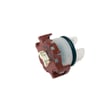

What's the difference between Sani Rinse and High Temp wash?
On the GE PDP715SBN2TS dishwasher, High Temp Wash boosts water temperature during the main wash to improve cleaning of greasy or baked-on food, while Sani Rinse raises temperature during the final rinse to sanitize dishes (best when you want maximum germ reduction).
How each option works
- High Temp Wash: Adds heat during the wash portion to help detergent work better and break down soils.
- Sani Rinse: Uses a hotter final rinse to sanitize; it is typically paired with a heated dry to maintain higher temperatures.
- Either option can increase cycle time and energy use compared with a normal cycle.
When to use which (quick guide)
- Use High Temp Wash for:
- Pots, pans, and casserole dishes
- Heavy grease or stuck-on food
- Loads where cleaning is the main goal
- Use Sani Rinse for:
- Baby bottles and cutting boards (dishwasher-safe items)
- Illness season or extra hygiene needs
- Loads that are already fairly clean but you want sanitizing
- Skip both when:
- You are running a light soil load
- You want the shortest cycle time
- You are washing heat-sensitive plastics (top rack only, if dishwasher-safe)
Comparison table
| Feature | High Temp Wash | Sani Rinse |
|---|---|---|
| Main purpose | Better cleaning | Sanitizing |
| When heat is applied | Main wash | Final rinse |
| Typical tradeoff | Longer cycle | Longer cycle (often) |
Why it matters
Choosing the right option helps you get the result you actually want: cleaning performance (High Temp Wash) versus sanitizing focus (Sani Rinse). If your dishwasher is not heating properly, both options can underperform.
Related help
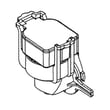
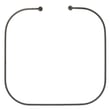
- If you suspect heating problems (cool water, poor drying), the heating circuit is a common place to start; see element heat WD05X35098.
Last updated: January 2026
How does GE dry boost work?
GE Dry Boost on the GE PDP715SBN2TS dishwasher is a drying feature that increases drying performance by driving off moisture and reducing water droplets left on dishes, especially plastics, so items come out drier and need less towel drying.
What Dry Boost is doing during the cycle
Dry Boost is designed to improve evaporation and moisture removal near the end of the wash program. In practical terms, it focuses on getting water off surfaces so you see fewer droplets on glasses, silverware, and plastic containers.
What you’ll typically notice:
- Drier plastics (the hardest items to dry)
- Fewer water spots and droplets left behind
- Less need to hand-dry before putting dishes away
- Better results when the dishwasher is fully loaded correctly
How to get the best drying results
Drying performance depends on heat, airflow, and how water can drain off items.
- Use rinse aid; it helps water sheet off dishes instead of beading
- Load plastics on the top rack and angle cups/containers so they drain
- Avoid nesting bowls and stacking items that trap water
- Open the door slightly after the cycle (if safe in your kitchen) to vent steam
- Keep the spray arms clear so the final rinse reaches all surfaces
Parts that can affect drying (if results suddenly get worse)
If Dry Boost used to work well and now dishes stay wet, a few common dishwasher parts can contribute.
| Symptom | Common cause | Example part to check |
|---|---|---|
| Dishes wet and cool at end | Heating issue | Element heat WD05X35098 |
| Poor rinse coverage, water left in cups | Spray pattern problem | Dishwasher spray arm, lower WD22X33499 |
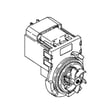
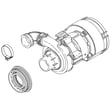
| Standing water that re-wets dishes | Drain issue | Dishwasher drain pump WD19X25461 |
Why it matters
Better drying is not just convenience; it helps prevent odor and residue by reducing leftover moisture on dishes and inside the tub after the cycle.
For display messages or fault behavior that may impact drying options, use our GE electronic dishwasher error codes reference.
Last updated: January 2026
What is the most common problem with GE dishwashers?
The most common problems we see with GE dishwashers (including model PDP715SBN2TS) are not draining, not starting, and not cleaning well. In many cases, the root cause is a restriction (food debris in the filter or drain path) or a failed component such as the drain pump, door latch, or a spray arm.
Most common issues and what to check first
- Not draining: check the drain path for kinks, clogs, and a blocked air gap (if used); a failed pump is also common.
- Won’t start: confirm the door closes and latches firmly; a latch problem can prevent the cycle from running.
- Poor cleaning: inspect spray arms for clogged jets and confirm water is filling to a normal level.
- Leaks: look for a damaged tub gasket or a door that is not sealing evenly.
- Heating and drying complaints: a heating circuit issue can affect wash performance and drying.
Parts that commonly solve these symptoms on PDP715SBN2TS
If basic checks do not fix the issue, these model-matched parts are frequent solutions:
| Symptom | Common suspect part | What it affects |
|---|---|---|
| Not draining, water left in tub | Dishwasher drain pump WD19X25461 | Pumps water out through the drain hose |
| Won’t start or stops mid-cycle | GE dishwasher door latch lock WD21X10490 | Confirms the door is closed so the control will run |
| Poor cleaning, debris left on dishes | Dishwasher spray arm, lower WD22X33499 | Wash coverage and spray pressure |
| Filling issues or low water level | Dishwasher water inlet valve WD15X26078 | Lets water into the dishwasher |
Why it matters
Drain and wash performance problems often cascade: a partial clog or weak pump can leave dirty water in the sump, reduce spray pressure, and trigger longer cycles or error codes. Fixing the underlying restriction or failed part restores normal wash action and helps prevent odors.
Helpful troubleshooting resources
- Use GE electronic dishwasher error codes to match any displayed code to likely causes.
- Use dishwasher not draining video for a step-by-step overview of common drain checks.
Last updated: January 2026
How do you force a GE dishwasher to drain?
To force-drain a GE dishwasher like model PDP715SBN2TS, we typically cancel the cycle so the unit runs a short drain-out. If it will not drain, the issue is usually a clog, a kinked drain hose, or a failing drain pump.
Quick ways to force a drain
Try these common GE control actions (button names vary by control panel):
- Press Cancel/Drain (or Cancel) once; wait for the drain portion to run.
- If there is no Cancel/Drain button, press and hold Start for about 3 seconds to cancel and trigger draining.
- Keep the door fully closed and latched during the drain.
- Give it a couple minutes; many models drain for a short period after canceling.
If it still will not drain (most common causes)
Work through these checks in order:
- Air gap or garbage disposal: Clear the air gap (if installed) and make sure the disposal inlet knockout plug was removed.
- Drain hose: Check for kinks, crushing, or a low loop problem; inspect the hose for internal blockage.
- Filter and sump area: Remove debris that can block water flow to the pump.
- Drain pump: If you hear humming but no water moves, the pump may be jammed or weak; see dishwasher drain pump WD19X25461.
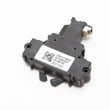
- Water level sensing: If the dishwasher behaves erratically during fill and drain, a sensing issue can contribute; see GE dishwasher pressure sensor WD21X25468.
What to expect (normal vs. problem)
| What you see | What it usually means | What to do |
|---|---|---|
| Water drains out after cancel | Normal operation | Resume normal use |
| Standing water remains, no pump sound | Power/control or latch issue | Check door latch, then diagnostics |
| Humming but no draining | Pump jam or blockage | Clear obstruction; consider pump replacement |
| Drains slowly | Partial clog or hose routing issue | Clean filter, check hose and air gap |
Why it matters
Standing water can cause odors, poor cleaning, and can strain the drain pump over time. For GE models, canceling the cycle is the fastest way to command a drain, but a repeat problem points to a restriction or a failing pump.
Helpful diagnostics
If your display shows an error code or beeps in a pattern, use GE electronic dishwasher error codes to match the code to the most likely drain-related cause.
Last updated: January 2026





