Error Codes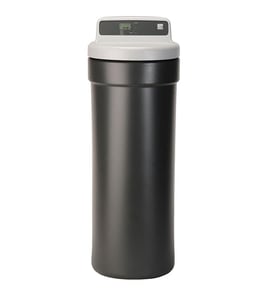



How do I tell what model water softener I have?
To identify your Kenmore water softener model, we look for the model number on the unit’s ID label, then match it exactly when ordering parts. For this parts page, the model number format you want is like 625523289.
Where to find the model number label
Check these common label locations on most Kenmore water softeners:
- On the back or side of the cabinet (near the power cord or drain hose routing)
- Behind or underneath the control head cover (if your unit has a shroud)
- Inside the salt storage (brine) tank area near the rim (less common)
- On a sticker near the bypass valve or inlet/outlet plumbing
- On paperwork that came with the softener (installation receipt, service tag)
What to write down (so parts match)
Record the information exactly as printed on the label.
| Label item | What it does for parts matching | Example |
|---|---|---|
| Model number | Identifies the correct parts list | 625523289 |
| Serial number | Helps date and version the unit | Varies |
| Brand | Confirms product family | Kenmore |
Quick checks if the label is hard to read
If the sticker is faded, we use these steps to confirm the model before buying parts:
- Take a clear photo with flash, then zoom in
- Wipe the label gently with a damp cloth (no solvents)
- Look for a second label near the valve or plumbing connections
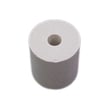
- Match a known part from the brine valve assembly to narrow it down (for example, a float 7097202)
Why it matters
Water softeners can look similar across multiple Kenmore series, but internal brine valve and seal parts can differ. Using the exact model number prevents ordering the wrong float, seal, retainer, or valve nut.
Last updated: February 2026
How much should a water softener service cost?
Most water softener service calls (diagnosis, cleaning, and basic adjustments) typically run about $150 to $400, with higher costs when parts, heavy scale buildup, or plumbing changes are needed. For Kenmore model 625523289, brine system issues (like a sticking float or leaking seal) are common service drivers.
What’s usually included in a service visit
A standard service appointment often covers:
- Confirming the softener is cycling through regeneration
- Checking brine tank operation (brine draw and refill)
- Inspecting the brine valve and float for sticking or salt buildup
- Looking for leaks at fittings and seals
- Testing water hardness before and after the unit
Typical cost ranges (what you should expect)
Costs vary by region and access to the unit, but these ranges are common.
| Service item | Typical cost range | Notes |
|---|---|---|
| Diagnostic/service call | $75 to $150 | Sometimes credited toward repair |
| Cleaning and tune-up | $150 to $300 | Brine tank cleaning, adjustments |
| Minor repair (no major plumbing) | $200 to $400 | Often includes small parts |
| Repair with parts + labor | $250 to $600+ | Depends on what failed |
Parts that can change the total
If the tech finds a brine valve problem, replacing small components can be a cost-effective fix compared with replacing the whole unit. For this model, common brine valve items include:
- Float 7097202 (brine valve float and seal function)
- Water softener brine valve float seal 0516947 (helps stop brine overflow and leaking)
- Water softener brine valve seal 0516211 (sealing surface inside the brine valve)
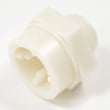
- Nut 1202600 (ferrule nut used at a connection point)
Why it matters
A softener that is not drawing brine, is overfilling the brine tank, or is leaking can waste salt and water and leave you with hard water. Catching brine valve and float issues early usually keeps the repair in the “basic service” price range.
Last updated: February 2026
Is it worth repairing a water softener?
Yes, it’s worth repairing a water softener when the unit is under about 10 to 15 years old and the problem is limited to a serviceable item (especially in the brine system) on your Kenmore 625523289. If the softener is older than 15 years or needs repeated major repairs, replacement is the better value.
Quick decision checklist
- Repair when the issue is isolated to the brine tank or brine valve (noisy, sticking, not drawing brine).
- Repair when you see a clear, low-cost fix such as a worn float seal or stuck float.
- Repair when the cabinet, tank, and plumbing connections are in good shape (no cracking or heavy corrosion).
- Replace when the softener is over 15 years old.
- Replace when you have frequent failures or multiple symptoms at once (soft water loss plus leaking plus regeneration problems).
- Replace when repair cost is close to half the price of a comparable new unit.
Common “worth repairing” problems on this model’s brine valve
These are typical brine-valve issues that are usually economical to fix with the right parts:
| Symptom | Likely brine-valve cause | Typical fix direction |
|---|---|---|
| Brine tank overfills | Float not shutting off, seal leaking | Inspect/replace float 7097202 and/or water softener brine valve float seal 0516947 |
| Softener won’t draw brine | Float sticking, restriction in brine line | Clean brine well, verify float movement, replace worn float/seal |
| Intermittent brine level issues | Seal wear, float binding | Replace float seal, confirm float travel is smooth |
What we recommend checking before you buy parts
- Break up any salt bridge and remove salt mush at the bottom of the brine tank.
- Confirm the float moves freely up and down and is not rubbing the brine well.
- Inspect the brine line for kinks, cracks, or loose fittings.
- Look for mineral buildup on the float and sealing surfaces.
- If you see leaking at a fitting, inspect the ferrule/nut connection and replace as needed.
Why it matters
A working brine valve and float assembly prevents brine tank overflow and ensures the softener can regenerate correctly. Fixing a simple float or seal problem restores soft water performance without the cost of a full replacement.
Last updated: February 2026
What is the life expectancy of a Kenmore water softener?
A Kenmore water softener like model 625523289 typically lasts 8 to 15 years. With normal household use, the resin bed and brine system components wear over time; consistent cleaning and correct salt use help you reach the upper end of that range.
Typical lifespan by component
| Component | What it does | Typical service life |
|---|---|---|
| Resin media (resin bed) | Removes hardness minerals | 10 to 15 years |
| Brine valve/float system | Controls brine tank fill and prevents overflow | 5 to 10 years |
| Seals and small hardware | Prevents leaks, keeps valve action consistent | 3 to 8 years |
Signs your softener is nearing end of life
- Hard water spots returning on fixtures and glass
- Soap not lathering well, laundry feels stiff
- Frequent need to regenerate with little improvement
- Salt use seems unusually high or unusually low
- Brine tank overfills or does not refill correctly
- Noticeable drop in water flow through the system
Maintenance that extends life
- Keep the brine tank at least 1/4 full of the correct salt type for your setup
- Break up salt bridges and remove salt mush as needed
- Clean the brine tank periodically (rinse out sediment and sludge)
- Check the brine valve float for smooth movement and a good seal
- Fix small leaks early so the unit does not run excessively
Parts that commonly restore performance
If the unit is still structurally sound, replacing worn brine valve parts often restores reliable brining and prevents overfilling.
Why it matters
A softener that is past its effective lifespan can waste salt and water, regenerate too often, and still leave hardness in your home. Addressing brine valve and seal wear early helps maintain consistent soft water and protects plumbing and water-using appliances.
Last updated: February 2026