 Installation guide
 Owner’s manual





Can I replace dishwasher parts myself?
Yes. With a GE GDF630PMM0ES dishwasher, we see many DIY-friendly repairs such as replacing spray arms, a door latch, or a tub gasket as long as you shut off power first and follow the steps in the GDF630PMM0ES owner's manual. For wiring, grounding, or complex electrical troubleshooting, we recommend using a qualified technician.
What you can usually replace yourself
These repairs are typically straightforward with basic hand tools:
- Spray arms (clogged, cracked, not spinning)
- Door latch/lock (won’t start because the door won’t latch)
- Tub gasket (leaks at the door opening)
- Drain hose (leaks or restricted flow)
- Racks and rack hardware (rollers, brackets)
Helpful model-matched examples:
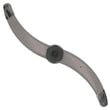
- Dishwasher spray arm, lower WD22X33499
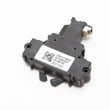
- GE dishwasher door latch lock WD21X10490
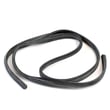
- Dishwasher tub gasket WD08X23476
Safety steps we follow before any repair
The manual calls out shock and burn risks; we treat these as non-negotiable basics.
- Turn off power at the breaker (not just the control panel)
- Shut off the water supply under the sink
- Let the heating element cool at least 20 minutes after a cycle
- Avoid touching the heating element during or right after use
- Keep small parts (clips, posts) away from children
When to stop and use a technician
If the repair involves household wiring, grounding, or advanced diagnostics, it is safer to hand off.
| Repair type | DIY-friendly? | Why |
|---|---|---|
| Spray arm, gasket, latch | Yes | Mostly mechanical, minimal disassembly |
| Drain hose | Often | Plumbing connections, leak checks needed |
| Circulation pump, control, wiring | No (typical) | Electrical testing, higher risk of miswiring |
Why it matters
Dishwashers combine water, heat, and electricity. Doing the right shutoffs and following the correct procedure prevents electric shock, burns, and leaks that can damage cabinets and flooring.
Last updated: February 2026
What is the average lifespan of a GE dishwasher?
A GE dishwasher typically lasts 10 to 12 years with normal household use. For your GE GDF630PMM0ES, consistent cleaning and correct detergent and rinse aid use (as outlined in the GDF630PMM0ES owner's manual) helps you reach the expected lifespan and avoid premature pump, heater, and seal wear.
What affects lifespan the most
- Water quality (hard water causes mineral buildup and film)
- Cleaning routine (interior cleaning and odor control)
- Drying heat and cycle frequency (more cycles equals more wear)
- Loading habits (blocked spray arms reduce cleaning and strain the circulation system)
- Door sealing and leaks (small leaks can damage components over time)
Maintenance checklist to help it last 10 to 12 years
We recommend these habits for the GDF630PMM0ES:
- Clean and de-odorize the interior periodically using citric acid or a dishwasher cleaner.
- Use a rinse aid to reduce hard-water spotting and mineral deposits.
- Keep spray arms clear of debris; clogged jets reduce wash performance.
- Wipe the control panel with a lightly damp cloth, then dry.
- If you notice poor cleaning on the lower rack, inspect the dishwasher spray arm, lower WD22X33499 for cracks, warping, or blocked holes.
Typical lifespan expectations (quick guide)
| Dishwasher situation | Typical lifespan | What it usually needs |
|---|---|---|
| Light use, good maintenance | 12 years | Routine cleaning, occasional small parts |
| Average family use | 10 to 12 years | Normal wear items, periodic deep cleaning |
| Heavy use or hard water | 8 to 10 years | More frequent cleaning, higher wear on pumps and seals |
Why it matters
Dishwashers are water-heating appliances; mineral buildup, restricted spray, and small leaks can reduce cleaning performance first, then shorten the life of major components like the circulation pump, heating element, and door sealing surfaces.
Last updated: February 2026
What is the most common problem with GE dishwashers?
The most common GE dishwasher problems are draining issues, poor cleaning, and “won’t start” symptoms. On the GE GDF630PMM0ES, these usually trace back to a clogged sump or drain path, a spray arm issue, or a door latch or control lock condition described in the GDF630PMM0ES owner’s manual.
Most common issues we see (and what to check first)
- Not draining: Food debris in the sump area, a kinked drain hose, or a weak drain pump.
- Not cleaning well: Spray arms blocked by debris, loading that blocks water flow, or detergent problems.
- Won’t start or stops: Door not fully latched, control panel locked, or a power interruption.
- Suds/foam in the tub: Using the wrong detergent (hand dish soap causes suds and poor wash performance).
- Hard water film or odor: Mineral deposits and buildup inside the tub.
Quick checks you can do safely
- Confirm power: Check the breaker and any wall switch that feeds the dishwasher.
- Check for control lock: If the panel seems unresponsive, unlock the control panel per the manual.
- Look for suds: Use only automatic dishwasher detergent; suds can prevent proper washing and draining.
- Inspect loading: Make sure tall items are not blocking the detergent dispenser or spray paths.
- Clean and deodorize: Use a dishwasher cleaner or citric acid routine recommended in the manual.
Parts that commonly solve these symptoms
| Symptom | Common part involved | Example model-matched part |
|---|---|---|
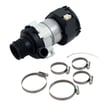
| Not draining | Drain pump or drain hose restriction | Drain pump asm WD19X24829, dishwasher drain hose WD24X10062 |
| Not cleaning | Spray arm not spinning or clogged | Dishwasher spray arm, lower WD22X33499 |
| Won’t start | Door not latching consistently | GE dishwasher door latch lock WD21X10490 |
Why it matters
Drain and wash problems often start small (buildup, blocked spray, wrong detergent) and then lead to longer cycle times, standing water, and repeat failures. Fixing the root cause early helps protect the circulation system and improves cleaning results.
Last updated: February 2026





