 Installation guide
 Owner’s manual




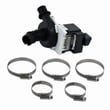
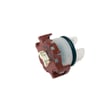


Can I replace dishwasher parts myself?
Yes, for the GE CDT845P4N0W2 dishwasher you can replace many common parts yourself if you shut off power and water first and follow the steps in the CDT845P4N0W2 owner’s manual. We recommend a technician for repairs involving wiring, grounding, or complex diagnostics.
What you can usually DIY (and what to be cautious with)
Many dishwasher repairs are straightforward “remove and replace” jobs, especially when the part is accessible from the door or inside the tub.
- Good DIY candidates: door latch/strike, drain hose, spray arms, rack hardware
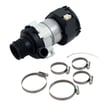
- Moderate difficulty: drain pump, circulation pump, heating element
- Use extra caution: control board, wire harness, thermal fuse, any hard-wired connections
- Always disconnect power before maintenance (breaker off, not just the control panel)
- If the dishwasher is built-in, confirm it is stable and level before and after service
Quick safety checklist before you start
Use this checklist every time to avoid leaks, shocks, and fit issues.
- Turn off the circuit breaker supplying the dishwasher
- Shut off the water supply valve under the sink
- Protect the floor with towels; expect some water in hoses and the sump
- Take photos of wire routing and hose connections before removal
- Re-level the dishwasher if you moved it; the door should close without hitting the tub
Common parts people replace on this model
These are examples of parts we often see replaced on the CDT845P4N0W2.
| Symptom | Likely area | Example part for this model |
|---|---|---|
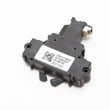
| Won’t latch or start | Door latch system | GE dishwasher door latch lock WD21X10490 |
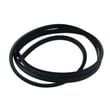
| Not draining | Drain path/pump | Dishwasher drain hose WD24X10062 |
| Poor drying | Heating circuit | Dishwasher heating element WD05X30818 |
Why it matters
DIY replacement can save time and money, but dishwashers combine water, heat, and electricity. Following the manual’s safety guidance (especially disconnecting power and proper grounding) helps prevent damage and repeat service issues.
Last updated: February 2026
What are the commonly replaced parts in a dishwasher?
In a GE dishwasher like model CDT845P4N0W2, the most commonly replaced parts are the door-latch components, drain and circulation parts, heating and drying components, and wash-system items (spray arms and racks). These parts wear from heat, vibration, detergent residue, and clogs over time.
Most common dishwasher parts that get replaced
- Door latch and strike (won’t start, stops mid-cycle, door won’t stay closed)
- Drain hose and drain pump (standing water, slow drain, gurgling)
- Circulation pump (poor cleaning, weak spray, unusual humming)
- Heating element (poor drying, cool water, long cycles)
- Tub gasket and door sealing surfaces (leaks at the bottom or corners)
- Detergent dispenser (detergent cup won’t open, residue left behind)
- Racks, rails, and rollers (rack won’t slide, broken wheels, rusted rack tines)
Model-matched examples for CDT845P4N0W2
Here are a few common replacements that match this GE model:
| Symptom | Likely part to check | Example part for this model |
|---|---|---|
| Dishwasher won’t start or stops when door moves | Door latch/lock or strike | GE dishwasher door latch lock WD21X10490 or dishwasher door latch strike WD13X10071 |
| Water left in tub | Drain hose or drain pump | Dishwasher drain hose (WD24X10062) or drain pump assembly (WD19X24829) |
| Not drying well | Heating circuit | Dishwasher heating element WD05X30818 |
| Leaking at door/tub seam | Tub gasket | Dishwasher tub gasket (WD08X23477) |
Why these parts fail (and what you can do to slow it down)
- Food debris and hard-water scale clog spray paths and pump inlets
- Heat cycling weakens plastic housings, seals, and electrical connections
- Overloading or blocking the dispenser prevents proper detergent release
- A loose door or misaligned strike stresses the latch and can interrupt cycles
Safety and quick checks before replacing anything
- Disconnect power before maintenance; the manual calls this out to reduce shock risk.
- Confirm the door closes firmly and the latch engages consistently.
- Clean the interior and deodorize periodically (citric acid or dishwasher cleaner helps reduce mineral film).
- If you’re installing or removing the unit, protect the power cord and follow the mounting steps in the install guide.
For model-specific operating and care details, use the CDT845P4N0W2 owner’s manual and the CDT845P4N0W2 installation guide.
Last updated: February 2026
What is the most common problem with GE dishwashers?
On the GE CDT845P4N0W2 dishwasher, the most common problems we see are draining issues (water left in the tub), door-related start problems (won’t start or beeps with the door open), and cleaning or drying complaints tied to filters, spray arms, or heating. Use the CDT845P4N0W2 owner’s manual troubleshooting tips first.
Most common issues and what to check first
- Not draining: clean the filter area and check for a kinked or clogged drain path.
- Won’t start or stops mid-cycle: confirm the door is fully latched; press Start and close the door promptly.
- Beeping once every minute: the door is left open during operation.
- Poor cleaning: clogged filters or blocked spray arms reduce wash pressure.
- Poor drying: heating or venting problems can limit drying performance.
Quick symptom-to-part checklist (common fixes)
| Symptom | Most likely area | What we do first | Parts that often solve it |
|---|---|---|---|
| Water left in bottom | Drain system | Clear filter and drain hose routing | Dishwasher drain hose WD24X10062, drain pump asm WD19X24829 |
| Won’t start, door feels loose | Door latch system | Check strike alignment and latch engagement | GE dishwasher door latch lock WD21X10490, dishwasher door latch strike WD13X10071 |
| Dishes not drying well | Heating | Verify heat is working and cycle options | Dishwasher heating element WD05X30818 |
Why these problems happen (and why it matters)
Dishwashers depend on three basics: the door must latch so the control can run safely, water must circulate at full pressure to clean, and water must drain correctly to finish the cycle. When any one of those fails, you get the most common complaints: won’t start, dirty dishes, or standing water.
Helpful model-specific resources
- Use the GE electronic dishwasher error codes guide if your display shows an error or the cycle cancels unexpectedly.
- Follow the cleaning steps in the manual for the fine and ultra-fine filters; keeping them clear prevents many “not cleaning” and “not draining” symptoms.
Last updated: February 2026
What is the average lifespan of a GE dishwasher?
A GE dishwasher typically lasts 10 to 12 years. For your GE CDT845P4N0W2, consistent cleaning, correct water temperature, and fixing small issues early (like draining or door-latch problems) are the biggest factors that help it reach that average.
Typical lifespan range (what we see most often)
- Average: 10 to 12 years
- Common overall range: 8 to 15 years
- Biggest life drivers: water quality, detergent use, loading habits, and keeping filters and seals clean (see the CDT845P4N0W2 owner’s manual).
| Usage and care level | What to expect | What helps most |
|---|---|---|
| Heavy use (1 to 2 loads/day) | Shorter end of the range | Clean filters, avoid overloading, address leaks fast |
| Typical use (3 to 5 loads/week) | Around the average | Hot water at the sink first, rinse aid, routine cleaning |
| Light use (1 to 2 loads/week) | Often longer end of the range | Run maintenance cycles, keep seals from drying out |
Maintenance that extends dishwasher life
- Keep the entering water 120°F to 150°F for effective cleaning and less strain on the wash system.
- Use a rinse agent to improve drying and reduce film buildup.
- Clean the tub and door seals regularly to prevent leaks and odor.
- Make sure the unit drains fully after each cycle.
- If the dishwasher is on a wall switch, allow 5 to 10 seconds after turning it on before pressing Start so the control can initialize.
When a “simple part” can prevent bigger failures
Small problems can shorten lifespan because they cause repeat restarts, poor washing, or water leaks. These are common wear items we check first:
- Door not latching or cycle won’t start: GE dishwasher door latch lock WD21X10490
- Not drying well or water not heating: dishwasher heating element WD05X30818
- Not draining completely: drain hose and drain pump condition
Why it matters
A dishwasher that is heating correctly, draining correctly, and sealing correctly runs fewer extra cycles and avoids water damage. That reduces stress on the circulation pump, control board, and wiring, which are typically the most expensive repairs.
Last updated: February 2026





