
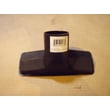
How do I remove the filter from my CRAFTSMAN wet dry vacuum?
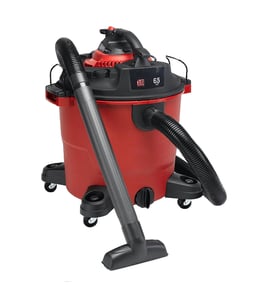
To remove the filter on your Craftsman 113177490 wet/dry vacuum, unplug the vacuum first, then open the powerhead (motor lid) and release the filter retainer (often a knob, wing nut, or small screw). Lift the filter straight off the cage and reinstall it the same way.
Quick steps (most Craftsman wet/dry vacs)
- Unplug the vacuum and remove the hose.
- Release the latches and lift off the powerhead.
- Locate the filter on the filter cage (center of the tank).
- Loosen the filter retainer (knob, wing nut, or screw, depending on version).
- Slide the filter off the cage; tap debris into a trash bag.
- Reinstall the filter fully seated, then tighten the retainer snugly.
What you should see (common designs)
| Filter mounting style | What it looks like | How it comes off |
|---|---|---|
| Knob or wing nut | Plastic knob on the filter end | Turn counterclockwise, then pull filter off |
| Small screw retainer | Screw at the filter base or end cap | Remove screw, lift retainer, then pull filter off |
| Band clamp | Strap around filter | Release clamp, then slide filter off |
If the filter will not come off
- Check for a hidden retainer at the bottom edge of the filter.
- Wiggle the filter gently while pulling straight out; avoid twisting hard (it can crack the cage).
- If it is stuck from fine dust, tap the filter lightly to break the seal.
- Inspect the cage for broken ribs or a warped end cap that can bind the filter.
Why it matters
A properly seated filter protects the motor from fine dust and helps maintain suction. Running the Craftsman 113177490 without the correct filter installed can cause poor pickup and shorten motor life.
For tool and safety basics we follow on DIY repairs, see are diy appliance repairs safe.
Last updated: February 2026
What are the most common issues with 113177490?
The most common problems we see with the Craftsman 113177490 wet/dry vacuum are loss of suction, the motor not running, and air leaks at the lid or hose connections. These issues usually trace back to a clogged filter or hose, a failed switch or power cord, or a worn gasket or cracked hose.
Most common symptoms and likely causes
- Weak or no suction: clogged hose, full tank, dirty or wrong filter, blocked inlet
- Won’t turn on: bad outlet, damaged cord/plug, failed switch, worn motor brushes, overheated motor
- Cuts out while running: thermal overload tripping from restricted airflow or a clogged filter
- Dust blowing out: missing/incorrect filter, poor lid seal, filter not seated
- Water pickup problems: wrong filter setup for wet use, float stuck, tank overfilled
Quick checks we recommend (in order)
- Unplug the vacuum; empty the tank and remove the hose.
- Check the hose and inlet for a clog; a small rag or debris plug is common.
- Inspect and clean or replace the filter; make sure it’s seated evenly.
- Confirm the lid is latched and the gasket is sealing all the way around.
- If it won’t start, test the outlet and inspect the cord for cuts or loose prongs.
Troubleshooting guide by symptom
| Symptom | What to check first | What usually fixes it |
|---|---|---|
| Low suction | Hose clog, filter condition | Clear blockage; clean/replace filter |
| No power | Outlet, cord, switch | Restore power; replace cord or switch |
| Stops mid-use | Airflow restriction | Clean filter; clear hose; let motor cool |
| Leaks at lid | Gasket, latches | Reseat lid; replace gasket |
Why it matters
Wet/dry vac motors rely on airflow for cooling; a clogged filter or hose can overheat the motor, reduce suction, and shorten motor life. Keeping seals tight also prevents dust bypass that can damage the motor.
For help confirming you have the correct model before ordering parts, use how to find your appliance model number (and what it means for parts).
Last updated: March 2026
What is the list of vacuum cleaner parts?
For the Craftsman wet/dry vacuum model 113177490, the parts list is the set of components that create suction, capture debris, and route airflow safely. Most wet/dry vacs use a motor and fan system, a filter setup, a collection tank, and seals, latches, and hoses to keep airflow tight.
Common wet/dry vacuum parts you’ll see
- Motor and fan (impeller) assembly
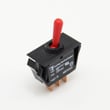
- Power cord, switch, and internal wiring
- Collection tank (drum) and lid (power head)
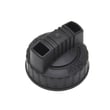
- Filter (cartridge or foam sleeve) and filter cage/retainer
- Hose, hose cuffs, and inlet port
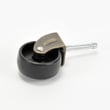
- Casters/wheels and axle hardware
- Gaskets, seals, latches, and clamps
How the parts work together (quick map)
| System | What it includes | What it does |
|---|---|---|
| Power | cord, switch, wiring | Supplies and controls electricity to the motor |
| Suction | motor, fan/impeller, housing | Creates airflow that pulls in debris and liquid |
| Filtration | filter, cage, retainer, seals | Keeps dust out of the motor and exhaust air cleaner |
| Collection | tank, lid, latches, gaskets | Holds debris and prevents air leaks |
| Air path | hose, inlet, attachments | Directs suction to the cleaning point |
Why it matters
Knowing the parts list helps you troubleshoot faster. For example, weak suction is usually an airflow issue (filter, hose, gasket), while a no-start problem is usually electrical (switch, cord, wiring).
Tips for using the right parts list for model 113177490
- Match the model number 113177490 exactly when searching.
- Identify whether you’re using the vac for wet pickup or dry pickup; filter type and setup often differ.
- Check for common wear points first: filters, hoses, latches, and seals.
- Use a simple electrical check when it won’t run: outlet power, cord condition, then switch.
For help confirming the correct model number format before ordering, use how to find your appliance model number (and what it means for parts).
Last updated: February 2026