Owner’s manual
 View engine



What is the typical lifespan of a gas snowblower?
A gas snowblower like the Husqvarna PA10530ES typically lasts 10 to 15 years. With consistent maintenance (oil changes, clean fuel practices, and off-season storage), many owners get 15 to 20 years of service before major drivetrain or auger components need rebuilding.
What affects lifespan the most
- Maintenance frequency: oil changes, lubrication, and fastener checks prevent premature wear.
- Fuel habits: old fuel and varnish shorten carburetor and starting-system life.
- Snow conditions: heavy, wet snow and end-of-driveway plow berms increase load on the auger and gearbox.
- Storage: moisture and corrosion during the off-season reduce reliability.
- Wear parts: belts, bearings, and chute components are normal replacements over time.
Maintenance checklist to reach the high end of the range
Use the intervals and specs in the PA10530ES owner's manual.
- Change engine oil on schedule and check level before each use.
- Use fresh gasoline; add fuel stabilizer for storage.
- Lubricate moving points (auger shaft, wheel hubs, and drive components).
- Inspect belts for glazing, cracking, or stretching; replace when slipping starts.
- Tighten hardware periodically (vibration loosens nuts and bolts).
Common “end-of-life” symptoms vs fixable issues
| Symptom | Most common cause | Typical fix |
|---|---|---|
| Auger stops under load | Worn or stretched belt | Replace belt (often the auger drive belt) |
| Grinding or clunking in auger housing | Gearcase wear or damage | Inspect and repair gearcase components |
| Poor throwing distance | Belt slip, impeller wear, chute restriction | Service belt, clear chute, inspect impeller |
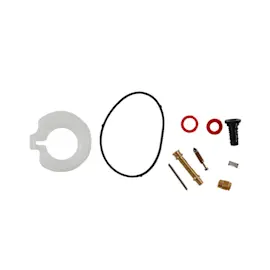
| Hard starting after storage | Fuel varnish, fouled plug | Fresh fuel, clean carburetor, replace plug |
Why it matters
Knowing the typical 10 to 15 year lifespan helps us plan smart repairs: replacing a wear item (like an auger belt) is usually cost-effective, while repeated drivetrain failures can signal it is time to rebuild higher-cost assemblies.
Last updated: January 2026
Are snowblower belts universal?
No. Snowblower belts are not universal; the correct belt for your Husqvarna PA10530ES depends on the exact belt length, width, and profile the drive system was designed for. Using the wrong belt can slip, break quickly, or keep the auger or drive from engaging properly.
How to choose the right belt for PA10530ES
We recommend matching the belt by the model-specific part listing and the routing shown in the PA10530ES owner's manual. If you are replacing an auger belt, a common model-matched option for this snowblower is the snowblower auger drive belt 584216102.
- Match by model number first (PA10530ES), not by “universal” packaging.
- Confirm whether you need an auger belt or a drive belt (they are different).
- Compare belt profile (often V-belt style) and width; small differences matter.
- Replace belts that are glazed, cracked, stretched, or oil-soaked.
- After installation, verify engagement and belt tracking before clearing heavy snow.
What happens if you use a “universal” belt
A belt that is close but not correct usually causes performance problems that look like bigger failures.
| Symptom | What it often means | What to check next |
|---|---|---|
| Auger does not spin or stops under load | Belt slipping or wrong profile | Belt routing and tension, idler movement |
| Belt jumps off pulleys | Wrong length or misalignment | Pulley alignment, guides, belt guards |
| Burning rubber smell | Belt slipping | Tension adjustment, pulley condition |
| Frequent belt breakage | Wrong belt type or seized component | Idler pulley, auger bearings, gearbox drag |
Why it matters
The belt is the link between the engine and the auger or drive system. The correct belt keeps your Husqvarna snow thrower throwing snow consistently and helps protect pulleys, idlers, and the gearbox from abnormal loads.
Helpful DIY guidance
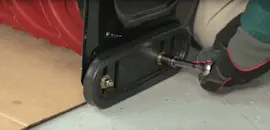
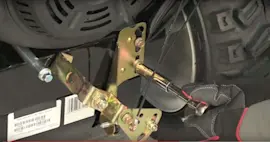
For a step-by-step replacement approach, follow how to replace a snowblower belt video along with the routing and adjustment details in your manual.
Last updated: January 2026
How much does a 30 inch snowblower weigh?
Most 30-inch two-stage gas snowblowers weigh about 200 to 260 lb. For the Husqvarna PA10530ES, the exact weight is listed in the specifications section of the PA10530ES owner's manual.
Typical weight range (what to expect)
A 30-inch clearing width usually means a heavier frame, larger auger housing, and more drivetrain components than smaller units.
- Entry to mid-duty 30-inch: ~200 to 230 lb
- Heavy-duty 30-inch (more robust build): ~230 to 260 lb
- Add-ons can increase weight: electric start hardware, headlight, larger tires, drift cutters
Quick comparison table
| Snowblower type | Clearing width | Typical weight |
|---|---|---|
| Single-stage gas | 18 to 22 in. | 70 to 110 lb |
| Two-stage gas | 24 to 28 in. | 150 to 220 lb |
| Two-stage gas | 30 in. | 200 to 260 lb |
Why it matters
Weight affects traction, throwing performance, and ease of maneuvering. Heavier two-stage machines typically bite into packed snow better, but they can be harder to load into a truck or move in tight spaces.
Tips if you need to move or store it
- Use the drive system to move it; avoid pushing with the auger engaged.
- Keep tires properly inflated for easier steering and better traction.
- If it feels hard to roll, lubricating the drive components helps; see how to lubricate a snowblower drive hex shaft video.
Last updated: January 2026
What is the best month to buy a snowblower?
For a Husqvarna PA10530ES snow thrower, the best months to buy are typically September and October for the best mix of selection and pre-season pricing, or March and April for the lowest clearance prices (with fewer models left). If you want the widest choice, buy before the first major snowfall.
Best time to buy (by goal)
- Best selection and solid deals: September to October
- Lowest prices (clearance): March to April
- Good promo window (deal-focused): November (often includes holiday promotions)
- Worst time (highest demand): December to January
Quick comparison
| When you buy | Price trend | Selection | Best for |
|---|---|---|---|
| Sep to Oct | Lower than peak | High | Getting the exact features you want |
| Nov | Promo-driven | Medium to high | Deal shopping without waiting for clearance |
| Dec to Jan | Highest | Low to medium | Emergency replacement only |
| Mar to Apr | Lowest | Low | Maximum savings if you are flexible |
What to check before you buy
- Stage type: single-stage vs two-stage (most gas units like the PA10530ES class are two-stage)
- Clearing width and intake height: match your typical snowfall and driveway size
- Electric start and headlight: helpful for cold starts and low-light use
- Parts support: confirm common wear items are available (belts, bearings, chute parts)
- Storage and maintenance plan: fuel stabilizer, oil changes, and off-season storage
Why it matters
Buying early (September to October) helps you avoid mid-winter shortages and rushed decisions, while buying late (March to April) can save money if you are willing to accept limited inventory and fewer feature choices.
For model-specific operating and maintenance guidance, use the PA10530ES owner's manual. For seasonal upkeep tips that protect your investment, follow how to make your snowblower last longer.
Last updated: January 2026