Owner’s manual
 Error Codes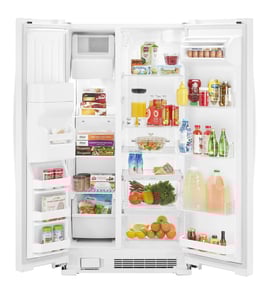


Are GE side-by-side refrigerators good?
Yes. GE side-by-side refrigerators like model GSH22JFXMBB are a solid choice for everyday reliability, consistent temperatures, and convenient ice and water dispensing. Overall performance depends most on correct setup, clean airflow, and staying on top of routine maintenance listed in the GSH22JFXMBB owner’s manual.
What “good” usually means for a side-by-side
When customers ask if a GE side-by-side is good, we focus on the things that affect real-world satisfaction:
- Temperature stability for fresh food and freezer sections
- Ice maker and dispenser performance (cube/crush, chute door sealing)
- Water filtration quality and flow rate
- Noise level (many sounds are normal during operation)
- Serviceability (common parts are replaceable)
Maintenance that keeps performance high
Most “bad refrigerator” complaints come from maintenance issues, not the cabinet itself. For a GE side-by-side like GSH22JFXMBB, these steps make the biggest difference:
- Replace the water filter about every 6 months, or sooner if flow slows
- Keep the dispenser area dry and clean to prevent mineral deposits
- Make sure doors close fully and seals stay clean
- Allow space for airflow around the refrigerator
- Use the troubleshooting tips before scheduling service
Quick maintenance guide
| Task | Typical interval | What you’ll notice if overdue |
|---|---|---|
| Replace water filter | Every 6 months | Slow dispensing, reduced flow |
| Clean dispenser/drip area | Monthly | Water spots, mineral buildup |
| Check door closing and sealing | Monthly | Frost, temperature swings |
| Review “normal sounds” section | As needed | Clicking, humming, fan noise concerns |
Parts that commonly affect “good vs. not good” performance
If performance drops, these model-compatible parts are often involved:
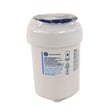
- GE refrigerator water filter MWFP (taste, odor, flow rate)
- Refrigerator temperature sensor WR55X10025 (temperature accuracy)
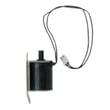
- Refrigerator water valve WR57X33326 (no water, weak water, ice maker fill issues)
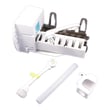
- GE refrigerator ice maker kit WR30X10093 (no ice or irregular ice production)
Why it matters
A side-by-side refrigerator is “good” when it holds safe temperatures and delivers dependable ice and water. Following the care, cleaning, and troubleshooting guidance in the manual helps your GE refrigerator run as designed and reduces avoidable part wear.
Last updated: January 2026
What are the most common issues with GSH22JFXMBB?
The most common issues we see with the GE GSH22JFXMBB side-by-side refrigerator involve cooling performance, ice and water dispensing, and airflow problems. Many symptoms trace back to normal wear parts like the water filter, water valve, or fan components; the GSH22JFXMBB owner's manual helps confirm settings and basic checks.
Common problems and what they usually point to
- Warm refrigerator or freezer: restricted airflow, dirty condenser coil, failing fan motor, or a temperature sensor issue.
- No ice or slow ice production: water supply restriction, clogged filter, ice maker problem, or a weak inlet valve.
- Water dispenser slow or not dispensing: clogged filter, frozen water line, or inlet valve issue.
- Loud humming, buzzing, or rattling: evaporator fan, condenser fan, or ice maker components contacting ice.
- Frost buildup on the back wall: airflow restriction or defrost system trouble.
- Leaking water: blocked defrost drain, loose tubing, or filter head/tubing connection issues.
Quick checks we recommend first
- Verify temperature settings and allow 24 hours after changes.
- Make sure vents inside both compartments are not blocked by food.
- Clean dust from the condenser area and confirm the condenser fan runs.
- Check the water supply shutoff is fully open and the line is not kinked.
- Replace the water filter on schedule; use the correct filter for this model.
Parts that commonly solve these symptoms
| Symptom | Common part to inspect/replace | Example part on this model page |
|---|---|---|
| Slow water or no water | Water filter, water valve | GE refrigerator water filter MWFP, refrigerator water valve WR57X33326 |
| Warm temps, poor airflow | Evaporator fan motor, temperature sensor | Rca refrigerator evaporator fan motor WR60X10185, refrigerator temperature sensor WR55X10025 |
| No ice | Ice maker kit, water valve | GE refrigerator ice maker kit WR30X10093 |
Why it matters
Catching airflow and water-supply issues early prevents food spoilage, reduces compressor run time, and helps avoid secondary problems like ice clumps, leaks, and excessive frost.
Last updated: March 2026
What's better, a side-by-side or a French door refrigerator?
A side-by-side like the GE GSH22JFXMBB is better when you want easy access to freezer items at eye level and a narrower door swing; a French door is better when you want wider refrigerator shelves and more fresh-food space at chest height. Use your kitchen layout and what you store most to decide; our GSH22JFXMBB owner's manual also covers features and clearances.
Quick comparison
| Feature | Side-by-side (like GSH22JFXMBB) | French door |
|---|---|---|
| Fresh-food shelf width | Narrower shelves | Wider shelves for platters/pizza boxes |
| Freezer access | Eye-level, vertical storage | Lower drawer, wide bins |
| Door swing | Typically smaller swing per door | Larger swing per door |
| Best for | Frozen-food users, tight aisles | Fresh-food users, wide items |
How to choose for your home
- Pick side-by-side if you use the ice and water dispenser often and want freezer items easy to see and reach.
- Pick French door if you regularly store wide trays, party platters, or large produce bins.
- If your refrigerator sits in a tight walkway, a side-by-side often fits better because each door is narrower.
- If you meal prep and want the most usable refrigerator space, French door layouts usually win.
- If you have kids grabbing frozen snacks, side-by-side freezer shelves can be easier than a deep drawer.
Installation and clearance considerations
Kitchen fit can be the deciding factor. For GE side-by-side models like this, typical installation guidance includes allowing small side clearance and about 1 inch at the top and back for airflow, plus enough room for the doors to open for good access.
- Measure the opening width, depth, and height
- Confirm door swing clearance for a 90° opening
- Plan for water line routing if you use the dispenser/ice maker
- Leave space behind the unit for air circulation
Why it matters
Choosing the right door style affects daily convenience: how often you bend for freezer items, whether wide containers fit easily, and whether doors can open without hitting walls or blocking traffic.
Last updated: January 2026