Owner’s manual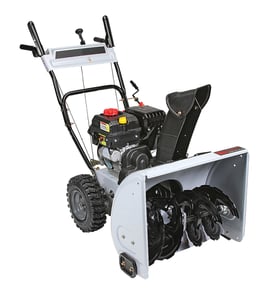

How to find snowblower model number?
Your MTD snow thrower’s model number is printed on the machine’s ID label; on most snowblowers it’s on the rear frame area between the wheels or on the back of the housing. Use that exact model number to match the correct parts and diagrams for your unit.
Check these common ID-label locations first:
- Rear of the unit between the wheels (rear frame)
- Back of the auger housing (near the scraper area)
- Side of the frame near the engine
- Under or behind the control panel area
- Near the handle mounting points
When you find the label, record the full model number exactly as shown (letters, numbers, and dashes). For this parts page, the model is 31A-2M1A799.
- Model number (example: 31A-2M1A799)
- Serial number (helps confirm production run)
- Any engine information listed (useful for tune-up parts)
MTD snowblowers often share similar frames, but parts like the chute hardware, clutch cable, and belt cover can vary by model series. Using the exact model number helps ensure the diagrams and parts list match your machine.
| If you need to replace | Example part shown for this model | Why it’s model-specific |
|---|---|---|
| Chute/handle hardware | Wing nut 720-0284 | Thread size and handle design vary |
| Drive engagement cable | Clutch cable 746-04237 | Cable length and end fittings vary |
| Belt area shielding | Belt cover 790-00045B-0721 | Cover shape and mounting points vary |
Use the model number to confirm maintenance and operating details in the 31A-2M1A799 operator’s manual.
Last updated: January 2026
What is the typical lifespan of a gas snowblower?
A typical gas snowblower lasts about 10 to 15 years with normal homeowner use and routine maintenance. For the MTD 31A-2M1A799, the operator guidance also notes an average useful life of 7 years or 60 hours of operation, after which we recommend annual inspections for safe, reliable performance (see the 31A-2M1A799 owner's manual).
Snowblowers usually age out in two ways: total engine hours and wear on drive and auger components.
- Calendar age: most homeowners see 10 to 15 seasons
- Engine hours: many machines only run 10 to 25 hours per year
- Wear items: belts, scraper blade, skid shoes, and cables often determine “how long it feels new”
These habits make the biggest difference on an MTD snow thrower like the 31A-2M1A799:
- Change engine oil on schedule and use the correct oil type for winter temps
- Drain fuel or treat it with stabilizer before storage; avoid old gas
- Keep the auger housing and chute clear of packed snow and debris
- Inspect and adjust control cables so the drive and auger fully engage
- Replace worn wear parts before they damage larger assemblies
| Usage pattern | Typical outcome | What to focus on |
|---|---|---|
| Light (small driveway, occasional storms) | 15+ years is common | Storage, fuel care, oil changes |
| Moderate (regular storms, average driveway) | 10 to 15 years | Belts, cables, scraper blade |
| Heavy (long driveway, wet snow, frequent use) | 7 to 12 years | Annual inspection, drivetrain wear |
Planning around lifespan helps you avoid mid-storm breakdowns. Replacing wear items early (for example, a worn scraper blade such as MTD snowblower scraper blade 731-1033) protects the housing, improves clearing performance, and reduces strain on the auger and drive system.
Last updated: January 2026
Is it worth fixing an old snowblower?
Yes, it’s worth fixing an older MTD snow thrower like model 31A-2M1A799 when the problem is a normal wear item (belt, cable adjustment, scraper wear) and the machine is otherwise solid; it’s usually not worth it when the engine or major driveline parts need extensive replacement.
Use these practical checkpoints before you buy parts or schedule service:
- Fix it when it starts reliably, the auger and drive work with minor adjustment, and the issue is maintenance-related (belt, cable, shave plate, paddles).
- Fix it when the repair cost is well under half the cost of a comparable replacement snowblower.
- Replace it when it has repeated no-start issues tied to fuel system damage, severe vibration from damaged auger components, or multiple major failures in one season.
- Replace it when you need a major engine rebuild or the machine has extensive rust-through on the housing.
- Fix it when you can do DIY work safely using the 31A-2M1A799 owner’s manual.
The manual calls out several issues that are typically straightforward and cost-effective:
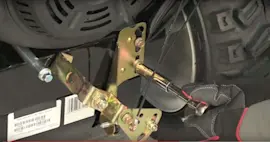
- Auger hesitates or keeps rotating: adjust the auger control cable (the manual describes moving the cable end to a different hole for tension).
- Snow doesn’t discharge well: clear chute clogs and check for foreign objects (always disconnect the spark plug wire first).
- Self-propel problems: a loose or damaged auger drive belt is a common cause.
- Excessive vibration: tighten nuts and bolts; inspect for auger damage.
| Symptom | Likely fix | Example part from our list |
|---|---|---|
| Poor scraping, leaves snow behind | Replace worn shave plate | MTD snowblower scraper blade 731-1033 |
| Chute won’t hold position | Inspect chute hardware/spring | (varies by setup) |
| Drive/auger issues | Belt/cable adjustment or replacement | (belt not shown in this parts list excerpt) |
A well-maintained snowblower can deliver many more seasons of service, especially when you stay ahead of wear items and off-season storage steps (fuel removal, oil change, rust prevention) described in the manual.
Last updated: January 2026
What is the most common problem with snow blowers?
The most common problem we see on gas snowblowers like the MTD 31A-2M1A799 is a no-start or hard-start condition caused by stale fuel and fuel-system varnish (often leading to carburetor issues). The next most common issues are chute clogs and drive or auger engagement problems.
- Old fuel or fuel contamination: drain old gas and refill with fresh gasoline; stale fuel can gum up carburetor passages during storage.
- Spark plug and ignition: make sure the spark plug wire is firmly connected; check the plug condition and gap.
- Choke and priming: starting with the choke on too long can cause rough running; excessive priming can flood the engine.
- Chute clog or foreign object: stop the engine and clear the chute safely.
- Auger or drive not engaging: cable adjustment and belt condition are common culprits.
| Symptom | Most likely cause | Best first step |
|---|---|---|
| Won’t start after storage | Stale fuel, gummed carburetor | Run tank dry, refill with fresh fuel; follow storage steps |
| Starts then dies | Fuel restriction, venting issue | Check fuel flow and gas cap vent |
| Runs but won’t throw snow | Chute clogged, foreign object | Shut down and clear chute safely |
| Won’t self-propel | Drive belt loose/worn, cable out of adjustment | Inspect belt and adjust cable |
| Excessive vibration | Loose hardware, auger damage | Stop immediately; tighten bolts and inspect |
- Disengage all control levers and stop the engine.
- Wait for the auger/impeller to come to a complete stop.
- Disconnect the spark plug wire and ground it against the engine.
- Check bolts and screws for tightness before operating.
Most “snowblower problems” are preventable maintenance issues. Proper end-of-season storage (running the engine until it stops to empty the tank, changing oil, and protecting metal surfaces) prevents fuel-system damage and reduces hard-start complaints next winter.
- Use the 31A-2M1A799 owner’s manual for the model-specific maintenance, storage, and troubleshooting chart.
- For starting issues, follow the steps in how to check a snowblower spark plug video.
Last updated: January 2026