 Error Codes


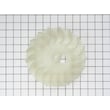
Where to find part number on GE dryer?
On your GE gas dryer model DBLR333GT0WW, the model and serial tag is typically located around the door opening (on the door frame) or just inside the door. Once you find that tag, you can match the correct replacement parts for your exact dryer.
Where to look first (fast checks)
- Open the dryer door and inspect the door frame on the front panel
- Check the inside face of the door (near the hinge side or latch side)
- Look along the front opening lip where the door closes
- If the label is worn, use a flashlight and view it from an angle to read faint print
What numbers matter for ordering parts
Use the tag information to confirm you are shopping for the right GE dryer parts.
| What you see on the tag | What it’s used for | Example format |
|---|---|---|
| Model number | Identifies the exact dryer design | DBLR333GT0WW |
| Serial number | Production run details (helps with revisions) | Letters and numbers |
| Gas type notes (sometimes) | Confirms fuel setup | Natural gas/LP |
If you’re trying to identify a specific part
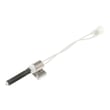
Many parts also have their own numbers printed or stamped on them, but those markings can be hard to access without disassembly. For common “no heat” symptoms, we often start by checking ignition components such as the igniter WE04X25996 and related burner parts.
Why it matters
GE often uses similar-looking cabinets across multiple dryers; the model number ensures you get the correct fit for items like a lint screen, timer knob, motor, or gas valve assembly.
Last updated: February 2026
How do I know if my GE dryer heating element is bad?
On the GE DBLR333GT0WW gas dryer, a “bad heating element” symptom usually points to an ignition or gas-heat problem instead. If the drum tumbles but there’s no heat, check airflow first, then test the ignition circuit components for continuity and visible damage.
What to check first (fast, no tools)
- Confirm the dryer is set to a heat cycle (not Air Fluff/No Heat).
- Clean the lint screen and make sure it is not coated with fabric softener residue.
- Verify strong airflow at the outside vent hood while the dryer runs.
- Make sure the gas shutoff valve is fully open.
- If you smell gas or suspect a leak, stop and have a qualified technician check the gas supply.
How to tell which heat part is failing (common GE gas-dryer signs)
A GE gas dryer heats when the igniter glows and the gas valve opens. Use these symptoms to narrow it down:
| What you observe | Most likely issue | What to check next |
|---|---|---|
| No glow from igniter at all | Igniter open, thermal fuse, or control issue | Test the igniter WE04X25996 for continuity; inspect wiring |
| Igniter glows, then shuts off, no flame | Radiant sensor or gas valve coils/valve issue | Check the gas valve WE14X215 circuit and sensor connections |
| Flame starts, then stops too soon | Venting restriction or weak gas valve coils | Clear venting; recheck gas valve operation |
| Dryer heats but takes too long | Airflow restriction | Follow steps in dryer takes a long time to dry |
Basic continuity test tips (multimeter)
- Unplug the dryer before testing any internal component.
- Remove at least one wire from the part you are testing so you do not read through the circuit.
- A good igniter typically shows continuity; an open reading indicates a failed igniter.
- Also inspect for cracks, white spots, or a broken element on the igniter.
Why it matters
On a gas dryer like the DBLR333GT0WW, replacing an “element” will not fix a no-heat problem because heat is produced by the burner system. Correctly identifying whether the igniter, gas valve, sensor, or venting is at fault saves time and prevents repeat failures.
Last updated: February 2026
Where is my thermal fuse located on my GE dryer?
On the GE DBLR333GT0WW gas dryer, the thermal fuse is typically mounted on the blower housing inside the cabinet, near where the exhaust duct connects. You usually reach it by removing the front or rear access panel, then locating the small, flat fuse with two wires.
Where to look on DBLR333GT0WW
In most GE gas dryers like DBLR333GT0WW, the thermal fuse is placed where it can sense overheating air flow:
- On the blower housing (not on the drum)
- Close to the lint duct or exhaust outlet
- Inside the cabinet, behind an access panel
- Wired in series with the motor or heat circuit (two push-on wire terminals)
Quick access checklist (safe, practical steps)
Before opening the dryer, we recommend these basics:
- Unplug the dryer from the wall outlet.
- Shut off the gas supply valve to the dryer.
- Pull the dryer forward so you can work safely.
- Remove the lint screen and clear any lint at the chute opening.
- Open the cabinet panel needed to view the blower housing area.
If you are also dealing with a no-heat or weak-heat symptom, check the burner ignition parts while you are in the same area, such as the igniter WE04X25996 and the gas valve WE14X215.
What the thermal fuse does (and why it blows)
The thermal fuse is a one-time safety device. If the dryer overheats, it opens the circuit to stop operation or stop heat.
Common reasons it opens
| Likely cause | What you may notice | What to check next |
|---|---|---|
| Clogged venting | Long dry times, hot cabinet | Vent pipe, outside hood flap |
| Lint buildup in blower area | Burning smell, poor airflow | Blower housing, lint chute |
| Failed airflow component | Rattling, weak airflow | Blower wheel, crushed duct |
Why it matters
Replacing a thermal fuse without fixing the airflow problem often leads to the new fuse opening again. Restoring proper venting and lint control protects the motor, burner system, and clothing.
For airflow and performance tips that help prevent overheating, use dryer takes a long time to dry.
Last updated: February 2026
What is the life expectancy of a GE dryer?
A GE dryer like model DBLR333GT0WW typically lasts about 10 years. With consistent airflow maintenance (lint screen and venting) and prompt repair of wear items, many gas dryers reach 10 to 15 years of service.
Typical lifespan (what to expect)
Most residential dryers fall into a predictable range based on use and care.
| Usage pattern | Typical life expectancy | What usually ends it first |
|---|---|---|
| Light (few loads/week) | 12 to 15 years | Drum support wear, timer issues |
| Average (1 load/day) | ~10 years | Belt/idler wear, motor strain |
| Heavy (multiple loads/day) | 7 to 10 years | Motor, bearings, heat system wear |
What extends the life of a gas dryer
We see these habits make the biggest difference on GE gas dryers:
- Clean the lint screen every load; replace a damaged screen such as the filter WE18X54.
- Keep the exhaust vent short, smooth, and clear; restricted airflow overheats components.
- Avoid overloading; it accelerates wear on the motor, drum supports, and idler.
- Listen for squealing or thumping and address it early (idler pulley, drum bearing, slide bearing).
- If heat becomes inconsistent, service the burner system promptly (igniter, gas valve, sensor).
Parts that commonly affect “end of life” decisions
If the dryer still tumbles and the cabinet is solid, replacing a few parts often restores years of use.
- No heat or intermittent heat: igniter WE04X25996, gas valve WE14X215
- Loud squeal or rumble: idler pulley, drum bearing, slide bearing
- Poor airflow or loud whoosh: blower wheel
- Won’t start or stops mid-cycle: motor, timer, door switch (varies by build)
Why it matters
A dryer that runs hot from poor venting or a clogged lint screen wears out faster and can also cause long dry times and higher energy use. Keeping airflow strong is the single best way to protect the motor and gas heat system on DBLR333GT0WW.
Last updated: February 2026





