Owner’s manual
 Error Codes

Why is my GE side by side freezer freezing up?
Frost or ice buildup in the freezer on your GE PSC23NSTDSS usually happens when warm, humid air is getting inside or when airflow and defrosting are being disrupted. Start by checking for a door that is not sealing or closing fully, then confirm the freezer is set correctly and vents are not blocked (see the PSC23NSTDSS owner's manual).
- Make sure the freezer door closes completely and is not held open by food packages.
- Check that baskets and shelves are pushed all the way back so the door can seal.
- Avoid frequent door openings; moisture from room air turns into frost.
- Confirm the freezer is set near the factory preset of 0°F; allow 24 hours after changes for temperatures to stabilize.
- Keep air vents clear; do not pack items tightly against the back wall.
| What you notice | Most likely cause | What we recommend |
|---|---|---|
| Frost around the door opening | Door not sealing or door left ajar | Inspect the gasket for gaps, clean the sealing surface, and rearrange items that prevent full closure |
| Heavy frost on back wall or poor airflow | Defrost system issue | Check for a stalled fan or a defrost failure; if symptoms persist, plan to test defrost components |
| Ice clumps, inconsistent temps | Temperature too warm or airflow blocked | Adjust settings one step at a time and clear vents and return air paths |
If the freezer is freezing up repeatedly after the door and airflow checks, these model-matched parts are often involved in diagnosis and repair:
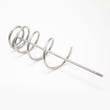
- Refrigerator defrost heater WR51X10055 (melts frost off the evaporator during defrost)
- Refrigerator defrost bi-metal thermostat WR50X10069 (helps control defrost heating based on temperature)
- GE profile refrigerator temperature sensor WR55X10025 (reports temperature to the control system)
- Refrigerator evaporator motor WR60X10307 (moves cold air; weak airflow can worsen frost problems)
A freezer that ices up can block airflow, drive temperatures out of range, and make the refrigerator work harder. Fixing door sealing and airflow first prevents repeat frost and helps protect the compressor and evaporator system.
Last updated: February 2026
What is the most common problem with a GE refrigerator?
The most common GE refrigerator complaint is not cooling properly (fresh food section warm, freezer warming, or temperatures swinging). On the GE PSC23NSTDSS, the most frequent causes are airflow or defrost-related issues, plus simple setup problems like a door not sealing or controls not set cold enough; see the PSC23NSTDSS owner's manual for control and care guidance.
- Refrigerator warm, freezer OK: restricted airflow, damper issue, or evaporator fan problem
- Both sections warm: condenser airflow problem, sealed system issue, or compressor/start components
- Frost buildup on back wall or poor airflow: defrost system problem
- Ice maker buzzing or no ice: water supply off, filter restriction, or valve issue
- Water dispensing slow: clogged filter or low supply pressure
- Confirm doors close fully and nothing is holding a door open.
- Verify temperature controls are set cold enough (avoid setting to 0/Off for troubleshooting).
- Check for blocked vents inside the fresh food and freezer sections.
- If ice maker is on but water is not connected, turn the ice maker off to prevent valve damage.
- Replace the water filter if flow is slow or cubes are small or hollow.
If your symptoms match, these model-compatible parts are common solutions:
| Symptom | Common part to check/replace | Example part on this model page |
|---|---|---|
| Temps fluctuate or read wrong | Temperature sensor | GE profile refrigerator temperature sensor WR55X10025 |
| Frost buildup, warm fridge | Defrost heater or defrost thermostat | Refrigerator defrost heater WR51X10055, refrigerator defrost bi-metal thermostat WR50X10069 |
| No water/ice or weak fill | Water valve or filter | Refrigerator water valve WR57X33326, GE refrigerator water filter MWFP |
| Warm fridge, poor airflow | Evaporator fan motor | Refrigerator evaporator motor WR60X10307 |
A refrigerator that is not cooling can spoil food quickly and can also stress major components (like the compressor) if airflow, defrost, or water supply problems are left unresolved.
Last updated: February 2026
How do you reset the ice maker on a GE side by side?
On the GE PSC23NSTDSS side-by-side refrigerator, the practical “reset” is to power-cycle the icemaker: turn the icemaker power switch off, clear any stuck cubes, then turn it back on and allow time for the unit to reach 15°F (-9°C) or colder before it starts cycling again (see the PSC23NSTDSS owner's manual).
- Open the freezer door and locate the icemaker power switch.
- Set the switch to 0 (off).
- Remove the ice bin (it can be heavy when full) and dump any clumped or jammed cubes.
- Make sure nothing interferes with the icemaker feeler arm.
- Set the switch back to I (on).
- Wait for normal operation; a newly installed or recently restarted unit can take 12 to 24 hours to begin making ice, and 2 to 3 days to fill the bin.
A blinking green light commonly points to ice cubes stuck in the icemaker. We reset it by turning the icemaker off, removing the stuck cubes, then turning it back on.
| What you see | Most likely cause | What we do next |
|---|---|---|
| Buzzing sound but no ice | Water supply not connected or shut off | Turn icemaker off until water is connected and on |
| Small or hollow cubes | Clogged water filter | Replace the filter with GE refrigerator water filter MWFP |
| Slow ice production | Freezer not cold enough or door left open | Set controls to recommended temps; confirm door seals and airflow |
Power-cycling clears a jam and lets the icemaker restart its normal harvest and fill cycle. Keeping the icemaker on with no water supply can damage the water valve, so confirming water supply and filter condition prevents repeat failures.
Last updated: February 2026
Are GE side by side refrigerators good?
GE side-by-side refrigerators like model PSC23NSTDSS are a solid choice for everyday use because they balance storage space, convenient features (ice and water), and dependable cooling. Like any refrigerator, performance depends on proper setup, clean airflow, and keeping temperatures stable (see the PSC23NSTDSS owner's manual).
We typically see customers judge side-by-side refrigerators on these practical points:
- Temperature stability in both compartments (food stays fresh longer)
- Usable organization (adjustable shelves, bins, and door storage)
- Ice and water convenience (dispenser performance and taste)
- Noise level (compressor and fan sounds)
- Serviceability (common parts are replaceable when they wear)
Newer refrigerators often sound different than older models. Your PSC23NSTDSS can make normal operating noises such as humming, whooshing, and occasional clicks or pops as pressures equalize and components cycle.
| Sound | Usually normal when | Check further if |
|---|---|---|
| Humming or pulsing | Compressor is running | Cooling is weak or it runs constantly |
| Whoosh when doors close | Pressure equalizes | Doors are hard to open right after closing |
| Clicks/pops/cracks | Startup or cooling cycles | Loud repeated clicking with no cooling |
If you are troubleshooting cooling, ice, or water issues, these model-matched parts are often involved:
- GE profile refrigerator temperature sensor WR55X10025 (temperature feedback and control)
- Refrigerator defrost heater WR51X10055 (prevents frost buildup on the evaporator)
- Refrigerator defrost bi-metal thermostat WR50X10069 (defrost safety and cycling)
- Refrigerator water valve WR57X33326 (feeds water to dispenser and ice maker)
- GE refrigerator water filter MWFP (improves water taste and flow)
A “good” side-by-side refrigerator is one that holds safe temperatures, keeps airflow paths clear, and has a reliable defrost system. When any of those slip, you can see symptoms like warm spots, frost buildup, slow ice production, or reduced water flow.
Last updated: February 2026